.webp)
Why reverse logistics companies matter in 2026
Brands rarely run their own reverse logistics end to end. The return ships back to a third-party warehouse, gets sorted, and routes into refurbish, resell, donate, recycle, or scrap. Carrier-side and 3PL-side providers handle the physical work. Software layers handle the claim and the data. Picking the right combination is a stack decision, not a vendor decision.
This guide ranks 12 reverse logistics providers across categories (apparel, electronics, furniture, big-and-bulky, cross-border, eco-focused) with a fit summary per segment. The reverse logistics overview covers the operational frame, and the 3rd party logistics companies piece covers the broader 3PL category.
Comparison: 12 reverse logistics providers
How this list is structured
Reverse logistics services do not map onto one category. Some providers handle the physical 3PL work. Some handle the software routing. Some handle resale and recommerce. Some specialise in cross-border. The strongest stacks combine providers across two or three of those layers. The recommerce in 2026 and average ecommerce return rates pieces cover the market context.
1. Claimlane
Why Claimlane sits at the top as the case-and-claim layer
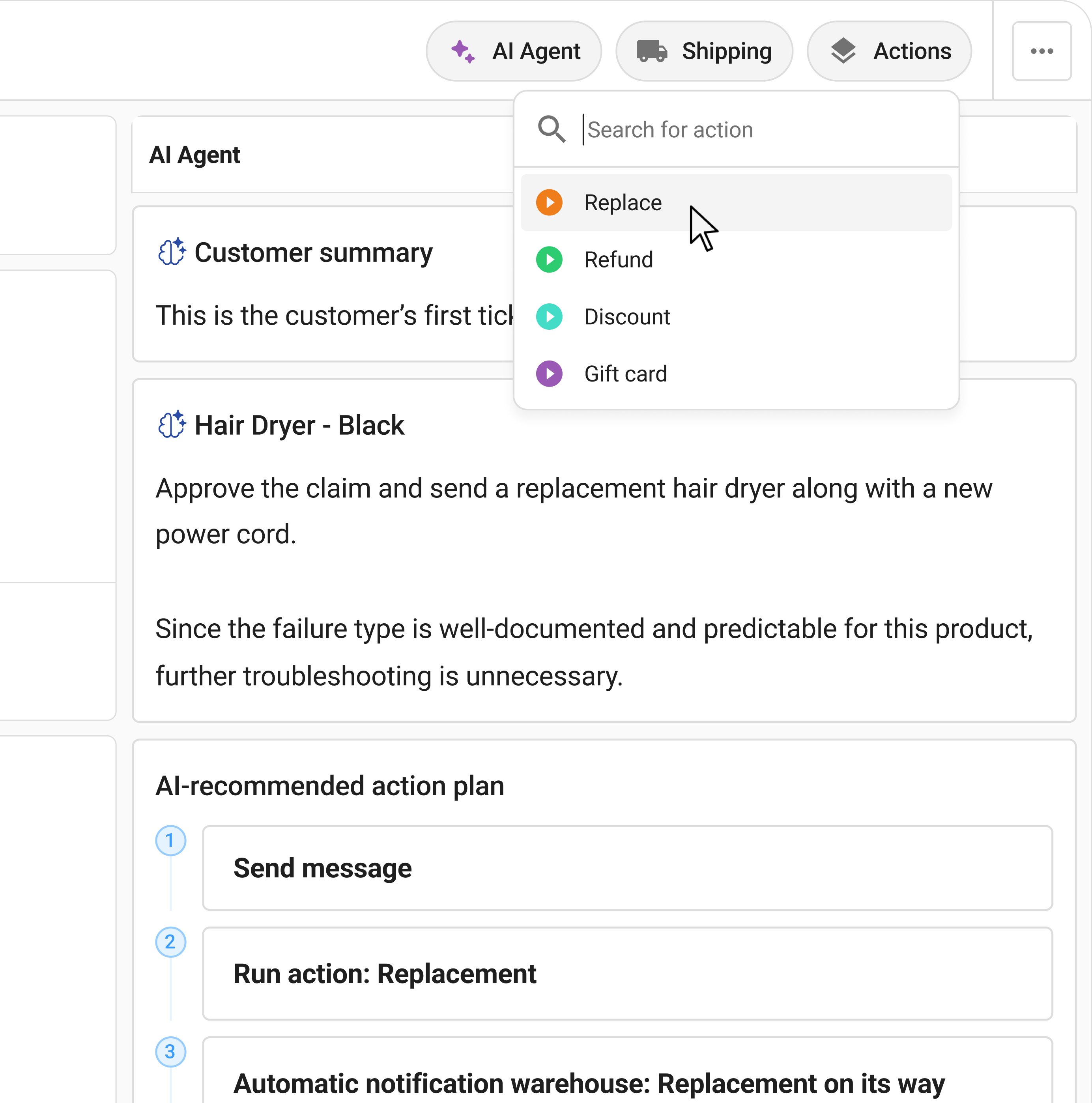
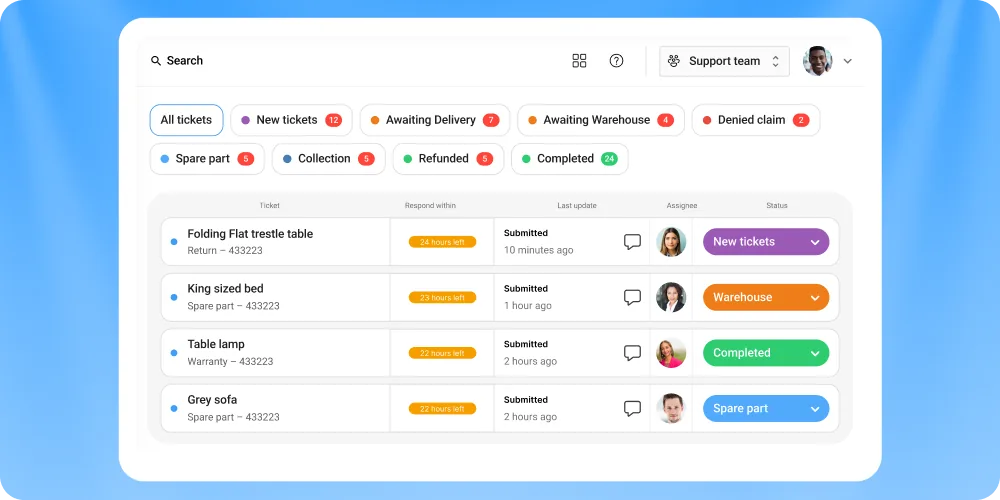
Claimlane is the software layer that turns reverse logistics movements into managed cases. Customer files a claim through the self-service portal. The serial gets validated. Claimlane's AI Agent, the first AI agent purpose-built for warranty claims and returns, reads images and video, applies warranty rules, and recommends the lane (refund, replace, repair, refurbish, supplier). The case routes through workflows, and the resolution data feeds analytics and forward-to-supplier recovery.
Claimlane connects to the physical reverse logistics partners brands already use. The platform does not replace the warehouse; it controls the case running over the warehouse. The 3PL returns management and global multi-warehouse returns logistics pieces cover the pairing pattern.
Features
Self-service portal, AI triage, warranty registration, repair routing, supplier handoff, B2B and B2C flows, integrations to Shopify, Microsoft Dynamics, Business Central, SAP, NetSuite, Zendesk, Gorgias, Freshdesk. The supplier chargebacks recovering warranty costs and supplier recovery how to get credit notes faster pieces cover the supplier side.
Pricing
Platform fee with case-volume tiers.
Product in action
Konges Sløjd, Davidsen, Black Diamond, Skechers, MaxGaming, Mads Nørgaard, Sebra, Onyx Cookware, and others run Claimlane across electronics, apparel, footwear, baby and nursery, building supplies, and gaming.

2. Optoro
Fit
Large retailers and brands focused on disposition, refurbishment, and resale. Strong in electronics, big-box, and consumer goods. The Optoro alternatives piece covers the substitute path.
Pros and cons
Strong disposition logic and resale channel reach. No claims, warranty, or repair workflow. Best paired with a case-and-claim platform.
Pricing
Enterprise contracts. Revenue share on resold inventory.
3. Inmar Intelligence
Fit
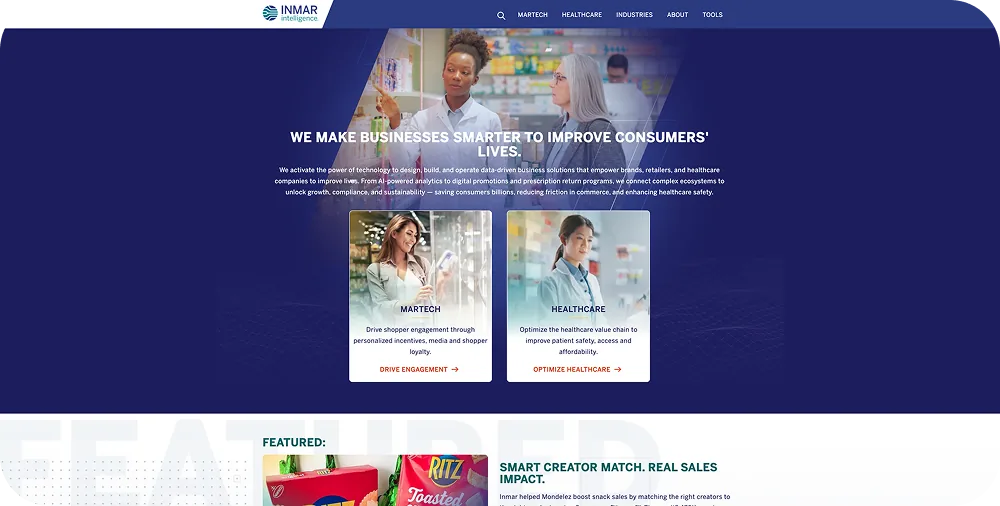
Mass retail, drug, and grocery chains with returns destruction, refurbishment, and recommerce needs. The top Inmar Intelligence alternatives piece covers the substitute set.
Pros and cons
Scale and operational depth in FMCG. Less of a fit for direct-to-consumer warranty cases.
Pricing
Enterprise service contracts.
4. ReturnPro (formerly GoTRG)
Fit
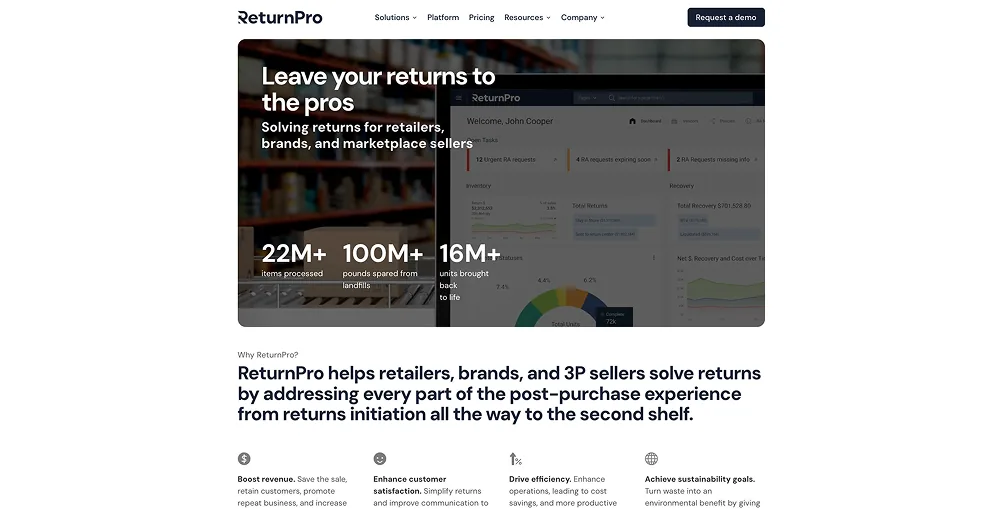
Large retailers handling mass-scale returns with a 3PL-plus-software model. Strong in apparel, mass merchandise, and consumer electronics.
Pros and cons
Full-service reverse logistics including warehouse operations. Light on warranty. The efficient returns management system piece covers the broader category.
Pricing
Service-led contracts.

5. Newmine
Fit
Enterprise retailers needing returns analytics, root-cause analysis, and merchandising feedback. The Newmine alternatives and best returns analytics software pieces cover the analytics market.
Pros and cons
Strong analytics. Operational layer is lighter.
Pricing
Enterprise contracts.
6. FloorFound
Fit
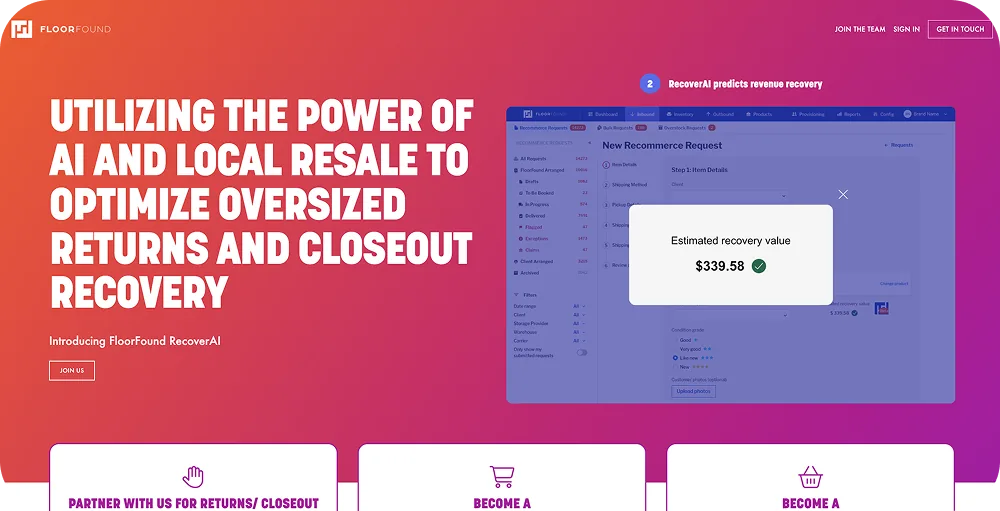
Big-and-bulky categories: furniture, appliances, exercise equipment. Resale-first reverse logistics with local recommerce.
Pros and cons
Top fit for bulky resale. No warranty or repair routing. The furniture returns management and why furniture returns take 47 days pieces cover the bulky-category pattern.
Pricing
Service and revenue-share contracts.
7. Happy Returns
Fit
DTC apparel and lifestyle brands looking for box-free in-person return drop-off through retail partners. The best Happy Returns alternatives piece covers the substitute path.
Pros and cons
Low-friction return drop-off experience. Light on warranty and repair. Best as a returns-intake layer, paired with a case platform.
Pricing
Monthly platform fee with per-return charges.

8. ZigZag Global
Fit
Ecommerce brands selling cross-border, needing local returns coverage across the EU, the UK, the US, and parts of Asia. The ZigZag Global alternatives and cross-border returns platforms pieces cover the cross-border set.
Pros and cons
Strongest cross-border reverse network in the category. Less of a case-management focus. The managing cross-channel returns piece covers the broader cross-channel pattern.
Pricing
Tiered SaaS plus per-return fees.

9. Rebound
Fit
European retailers and brands looking for a multi-channel reverse logistics partner with broad carrier integrations. The Rebound alternatives for aftersales 2026 piece covers the substitute set.
Pros and cons
Good EU and UK coverage. Returns-focused, not warranty-focused.
Pricing
Platform plus per-shipment fees.
10. ReverseLogix
Fit
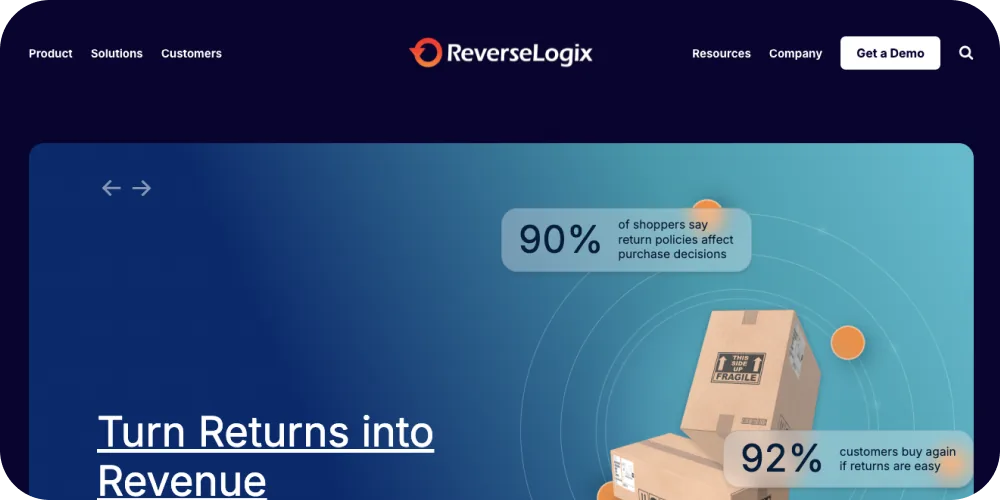
Enterprise multi-category reverse logistics across industries. The ReverseLogix alternatives and Metapack alternatives aftersales operations 2026 pieces cover the substitute set.
Pros and cons
Broad operational footprint, configurable workflows. Implementation runs heavier than ecommerce-first tools.
Pricing
Enterprise contracts.

11. ReturnBear
Fit
Canadian DTC brands looking for a local returns 3PL with drop-off network and brand-experience focus. The 7 best ReturnBear alternatives piece covers the substitute set.
Pros and cons
Strong Canadian footprint and brand UX. Geographic focus limits use outside Canada.
Pricing
Monthly platform fee plus per-return.

12. Sorted
Fit
European retailers focused on delivery and returns experience, often paired with carrier-management workflows. The sorted alternatives 2026 and top Parcellab alternatives pieces cover the experience layer.
Pros and cons
Good EU coverage, decent post-purchase tooling. Returns-focused, not claims-focused.
Pricing
Tiered SaaS contracts.
How brands choose a reverse logistics partner
Four decisions narrow the field fast.
Decision 1: category fit
Furniture and big-and-bulky need a bulky-resale specialist. Apparel needs box-free drop-off or fast carrier intake. Electronics need refurbishment and resale depth. Cross-border needs local return coverage in the buyer's region. The cross border returns platforms piece covers the cross-border decision.
Decision 2: warranty share
Brands with warranty above 15% of cases need a case-and-claim software layer over the physical 3PL. Returns-only providers do not handle warranty depth.
Decision 3: integration depth
The reverse logistics partner has to talk to the storefront, the WMS, the ERP, and the case platform. Brands picking on price alone hit the integration wall later. The ERP returns integrations and best ecommerce integrations pieces cover the connector shape.
Decision 4: total cost of returns
Per-return fees, platform fees, carrier costs, refurbishment costs, and the cost of unsold returned inventory all stack. The hidden costs of returns and claims and returns adjusted profitability ecommerce pieces cover the cost frame.
How claims and warranty change the partner decision
Warranty cases route differently from returns. A returned, non-defective unit can go back to inventory. A defective unit needs supplier recovery, repair, or scrap. Brands that handle warranty inside the broader reverse logistics stack reduce the share of avoidable write-offs. The supplier chargebacks recovering warranty costs, supplier recovery how to get credit notes faster, and retailer challenges supplier claims pieces cover the recovery loop. The 3 ways to turn warranty claims into revenue piece covers the upside angle.
Frequently asked questions
Conclusion
Reverse logistics in 2026 is a multi-layer decision. Brands pick a physical partner per category and region, then add a software layer to run claims, warranty, repair, and supplier recovery on top. The right stack depends on category, warranty share, integration depth, and total cost of returns.
Claimlane sits at the top of the case-and-claim layer, with self-service portal, AI triage, repair routing, and supplier handoff connecting to any reverse logistics provider brands already use. To see the live setup, book a demo or walk the interactive demo.
Related: reverse logistics software platforms.