.webp)
Why reverse logistics software is the operating spine in 2026
Reverse logistics covers everything from the moment a customer initiates a return to the moment the unit is back on the shelf, repaired, refurbished, recycled, or written off. Software in this category has to handle intake, transport, sorting, disposition, refurbishment, resale, and claims. A single platform rarely covers all of it. Brands stitch two to four tools together and live with the seams.
This guide ranks 10 platforms across the reverse logistics chain, with a fit summary per segment. For broader context, the reverse logistics overview covers the operational frame, and a guide the 5 Rs of reverse logistics covers the disposition decision tree.
Comparison: 10 reverse logistics platforms
Why this list looks like it does
The ranking is not by revenue or market cap. It is by fit-per-segment. Each platform plays one part of the reverse chain better than another. Brands evaluating reverse logistics software for the first time often pick by name recognition and then add a second platform six months later. The retail returns data silos piece covers why that pattern repeats.
1. Claimlane
Why Claimlane sits at the top of the case-and-claim layer
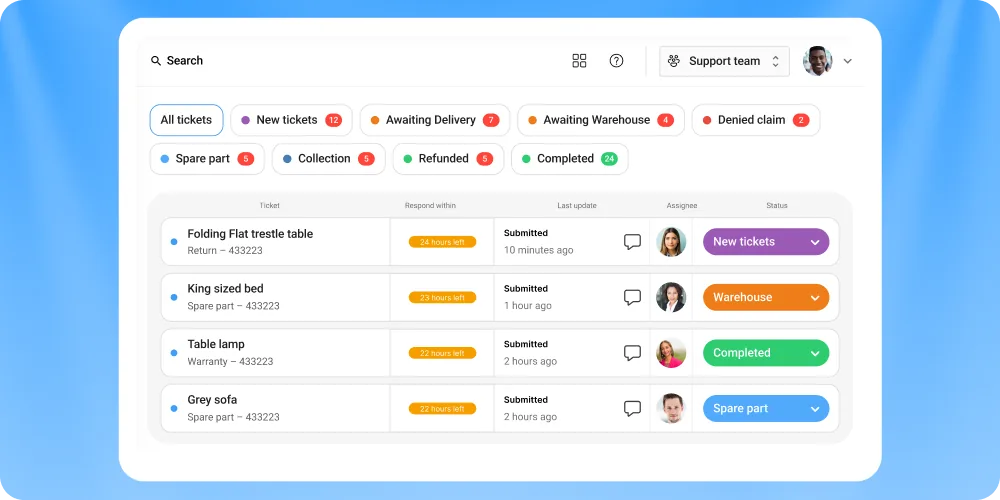
Reverse logistics breaks down inside the case file. Claimlane runs the case from customer intake through warranty validation, repair and replacement routing, supplier handoff, and analytics. The platform connects to disposition and resale partners so the case-level data informs the downstream lane decision. The self-service portal covers customer intake. The workflows page covers routing. The analytics page covers reporting. The forward-to-supplier page covers recovery.
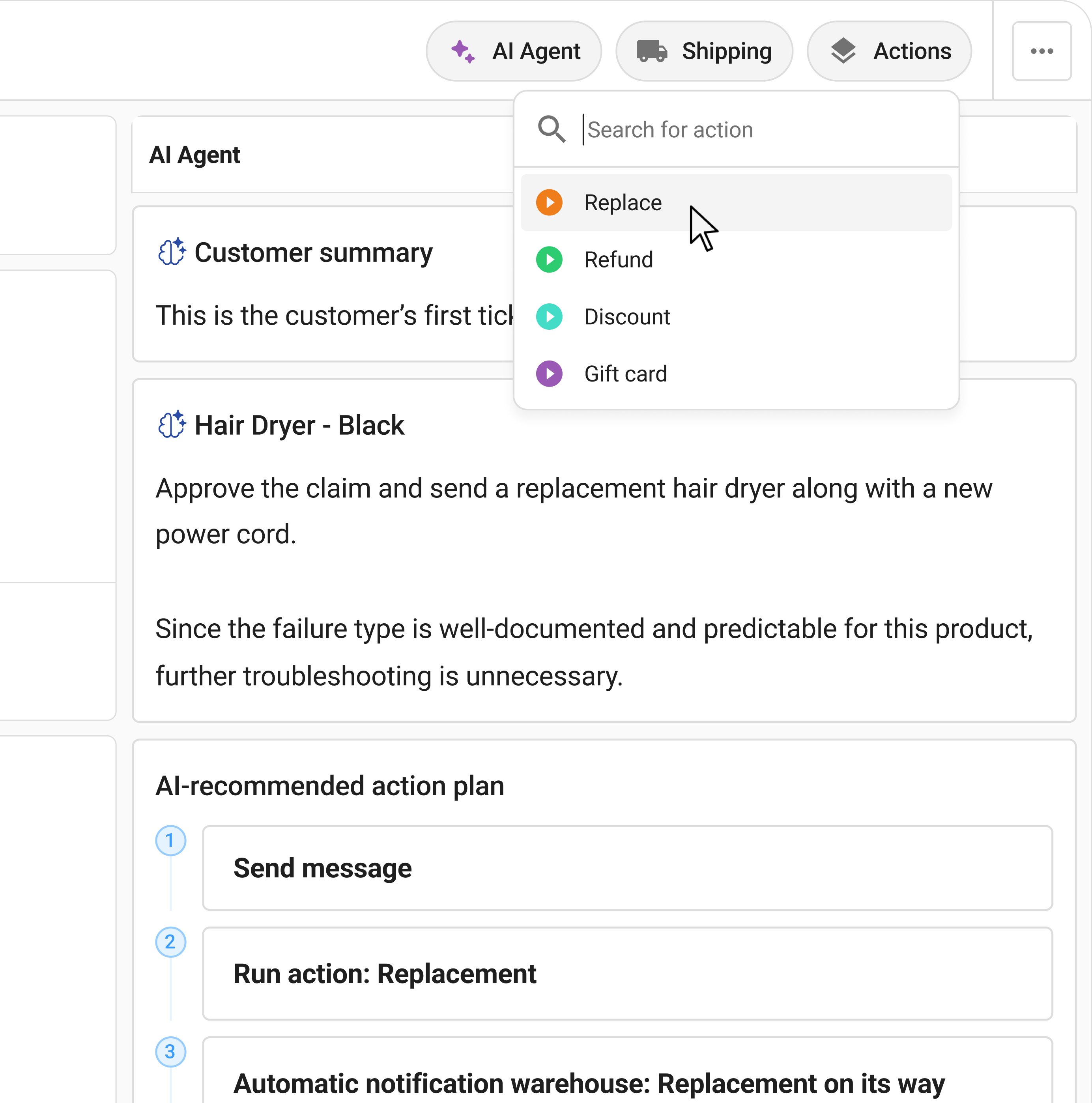
Claimlane's AI Agent, the first AI agent purpose-built for warranty claims and returns, reads images and video at intake and recommends the right reverse lane (refund, repair, replace, refurbish, supplier) before the case lands with the agent. The AI reverse logistics optimization and AI demand forecasting reverse logistics pieces cover the AI layer.
Features
Self-service portal, AI triage, repair workflows, replacement and parts routing, supplier handoff, warranty registration, analytics. Connections to 3PL returns management and major WMS systems. The warehouse module piece covers the warehouse-side handoff.
Pricing
Platform fee with claim and case-volume tiers. Replaces case-management point tools and the cost of stitched custom integrations.
Product in action
Konges Sløjd, Davidsen, Black Diamond, Skechers, MaxGaming, and Mads Nørgaard run Claimlane across electronics, apparel, building supplies, footwear, and gaming. Multiple of these brands operate alongside reverse logistics partners on the disposition side.

2. Optoro
Fit
Large retailers and brands focused on disposition, resale, and recommerce. Strong in electronics, big-box, and consumer goods. The Optoro alternatives piece covers when the fit breaks.
Pros and cons
Strong disposition logic, resale channel integration, and refurbishment workflows. No warranty or case-management layer. Customer intake usually handled by a separate tool.
Pricing
Enterprise contracts. Often revenue-share on resold inventory.
3. ReverseLogix
Fit
Enterprise multi-category reverse logistics across industries. Strong in electronics, industrial, and hybrid B2B/B2C operations.
Pros and cons
Broad operational footprint, configurable workflows, decent warranty module. Implementation runs heavier than ecommerce-first tools. The ReverseLogix alternatives piece covers the substitute set, and the Metapack alternatives aftersales operations 2026 piece covers adjacent enterprise tools.
Pricing
Enterprise contracts. Module-based.
4. Inmar Intelligence
Fit
Retailers and CPG brands with high return volumes, especially in grocery, drug, and mass merchandise. Strong on returns destruction, refurbishment, and recommerce.
Pros and cons
Mass-scale operations, decent analytics, FMCG-aware. Light on direct-to-consumer warranty workflows. The top Inmar Intelligence alternatives piece covers the substitute set.
Pricing
Enterprise contracts. Service plus software fees.

5. Newmine
Fit
Enterprise retailers needing returns analytics, root-cause analysis, and merchandising feedback. The platform is analytics-heavy and integrates with adjacent RMS systems.
Pros and cons
Strong analytics and dashboards. Operational layer is lighter. The Newmine alternatives and best returns analytics software pieces cover the analytics market.
Pricing
Enterprise contracts. Module-based.
6. ReturnPro (formerly GoTRG)
Fit
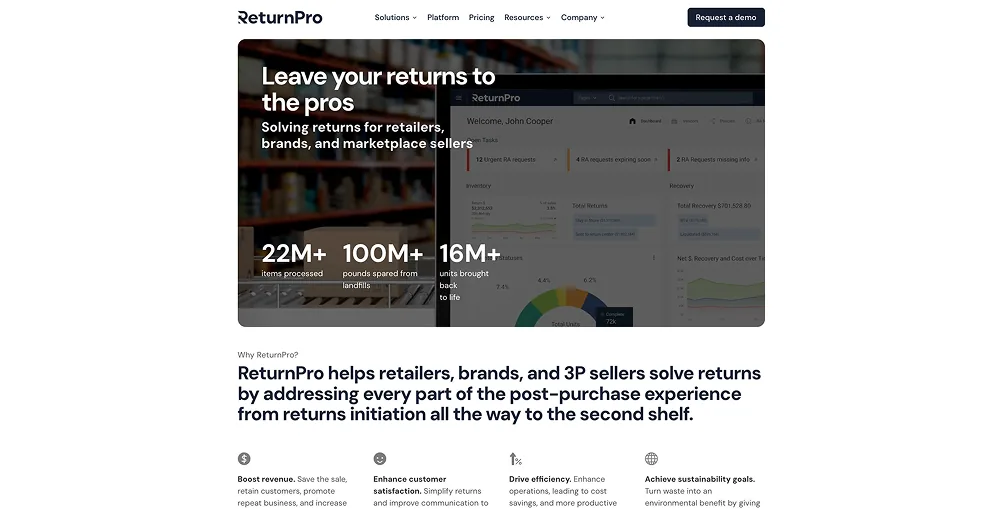
Large retailers handling mass-scale returns through a 3PL-plus-software model. Strong in apparel, mass merchandise, and consumer electronics.
Pros and cons
Full-service reverse logistics, including warehouse operations. Less suited for brands that want to keep operations in-house. Warranty layer is light.
Pricing
Service-led contracts.
7. Loop Returns
Fit
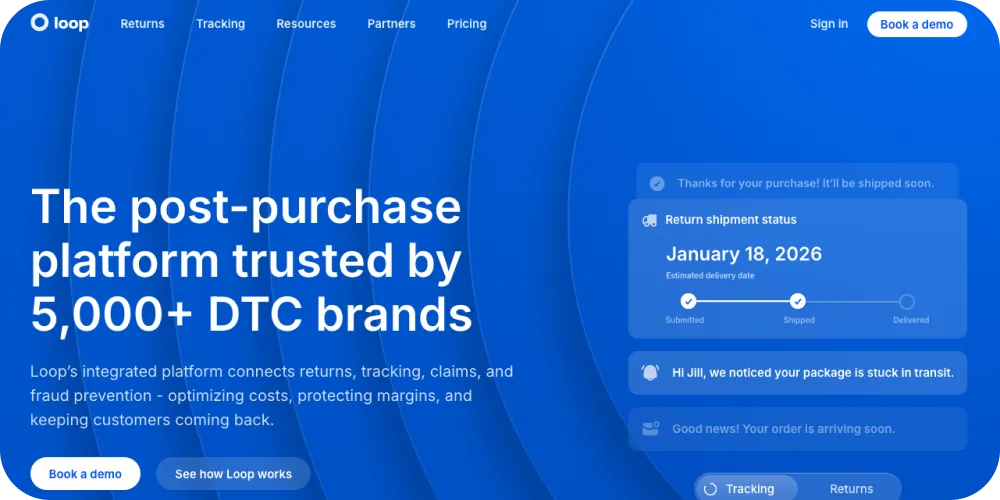
Shopify DTC brands in apparel and lifestyle. Customer-facing returns, exchanges, and store credit.
Pros and cons
Top fit for exchange UX on Shopify. Limited on warranty, repair, and the warehouse-side reverse chain. The Loop Returns alternatives piece covers the substitute set, and exchange first revenue retention covers the exchange-first model.
Pricing
Monthly platform fee with usage tiers.
8. AfterShip Returns
Fit
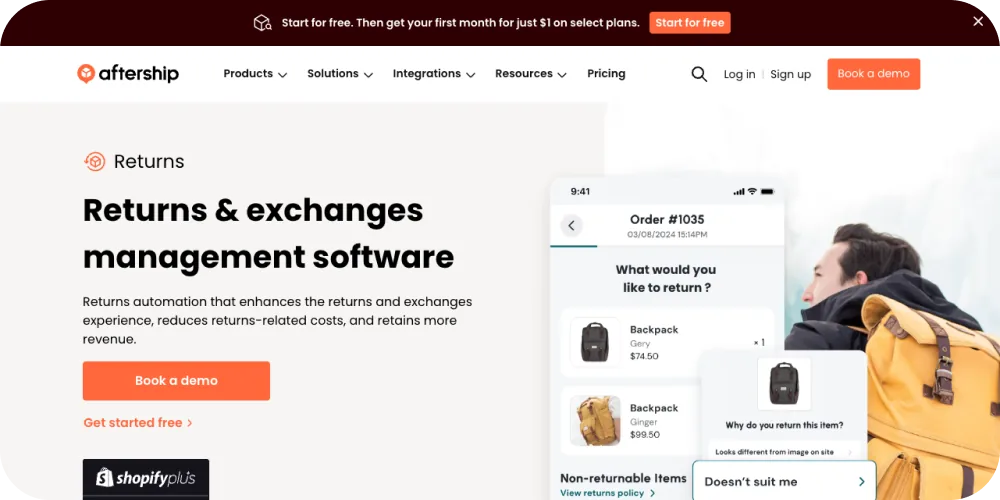
Retailers already using AfterShip for forward tracking. Adding the returns module slots into the broader post-purchase surface.
Pros and cons
Good tracking and carrier coverage. Returns module lacks warranty depth. The AfterShip alternatives piece covers the substitute set.
Pricing
Tiered SaaS.
9. Narvar
Fit
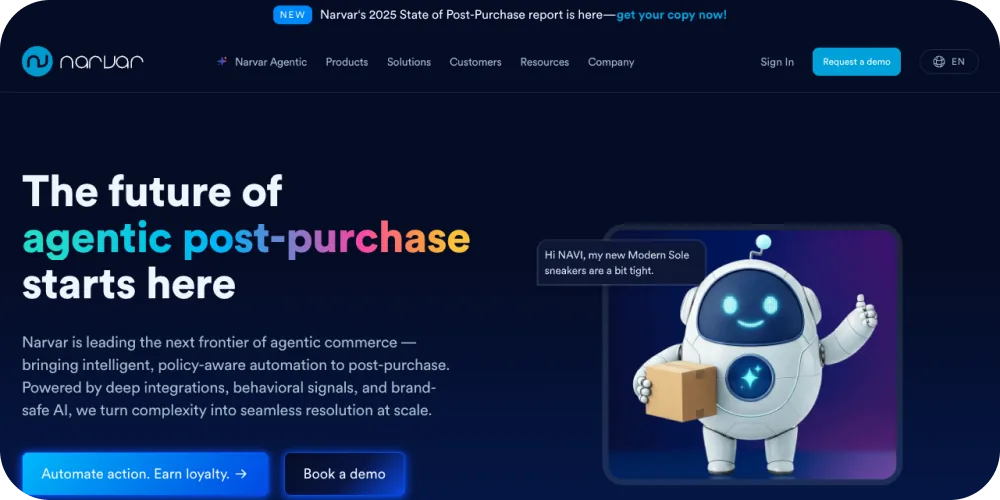
Enterprise retailers focused on post-purchase experience, with returns as one module among many.
Pros and cons
Strong customer-facing experience. Light on warranty, repair, and supplier recovery. The Narvar alternatives piece covers the substitute set.
Pricing
Enterprise contracts.
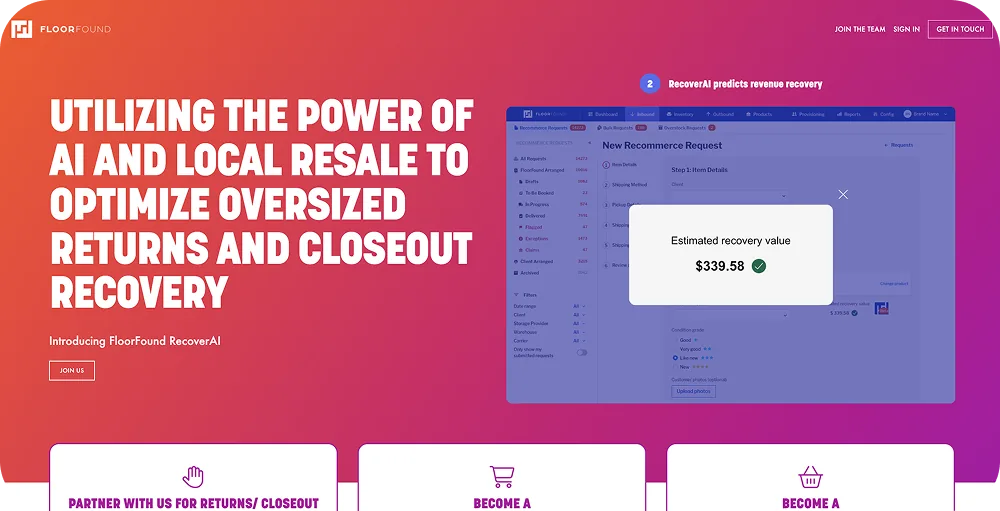
10. FloorFound
Fit
Big-and-bulky categories (furniture, appliances, exercise equipment). Resale-first reverse logistics with local recommerce.
Pros and cons
Top fit for bulky resale. No warranty or claim management. Best paired with a separate case platform.
Pricing
Service and revenue-share contracts.
How brands choose reverse logistics software
Four signals decide the right pick.
Signal 1: case mix and warranty share
Brands with warranty cases above 15% of returns need a case-and-claim platform like Claimlane in the stack. Brands with returns-only flows and no warranty depth can run on a returns-first tool. The efficient returns management system piece covers the operational shape.
Signal 2: disposition complexity
Brands handling refurbishment, resale, and recommerce need a disposition-first platform alongside the case tool. The global multi-warehouse returns logistics piece covers the multi-warehouse pattern.
Signal 3: supplier recovery
Brands sourcing through multiple suppliers benefit from a platform with supplier-facing case routing. The supplier chargebacks recovering warranty costs and supplier recovery how to get credit notes faster pieces cover the recovery side.
Signal 4: data integration depth
The reverse logistics stack has to talk to the storefront, the WMS, the ERP, and the CRM. Brands that pick on UX alone hit the integration wall in month three. The ERP returns integrations and ERP vs returns management software pieces cover the architecture.
Reverse logistics in 2026: the wider picture
The category is moving in three directions.
Direction 1: AI-led disposition
AI models predict the right lane (refund, repair, resell, recycle) at intake based on product, condition, and resale value. The AI reverse logistics optimization piece covers the model layer.
Direction 2: case-aware reverse logistics
Warranty and claims data informs reverse decisions. A repaired unit under warranty does not go through the same lane as a returned, non-defective unit. The audit your returns process piece covers the diagnostic.
Direction 3: recommerce as a margin lever
Resale through brand-controlled channels is becoming a margin lever. The recommerce in 2026 and average ecommerce return rates pieces cover the wider market.
Frequently asked questions
Conclusion
Reverse logistics software in 2026 splits into three layers: case-and-claim, operations and disposition, and analytics. Brands rarely buy one tool to cover all of it. The right move is to pick best-of-category per layer and connect them with integrations.
Claimlane sits at the top of the case-and-claim layer with warranty, claims, repair, and supplier recovery on one platform, and connects to disposition and resale partners brands already use. To see the live setup, book a demo or walk the interactive demo.
Related: reverse logistics companies.