Manage B2B claims, in one place



















Solve B2B claims with ease
Get every claim documented up front
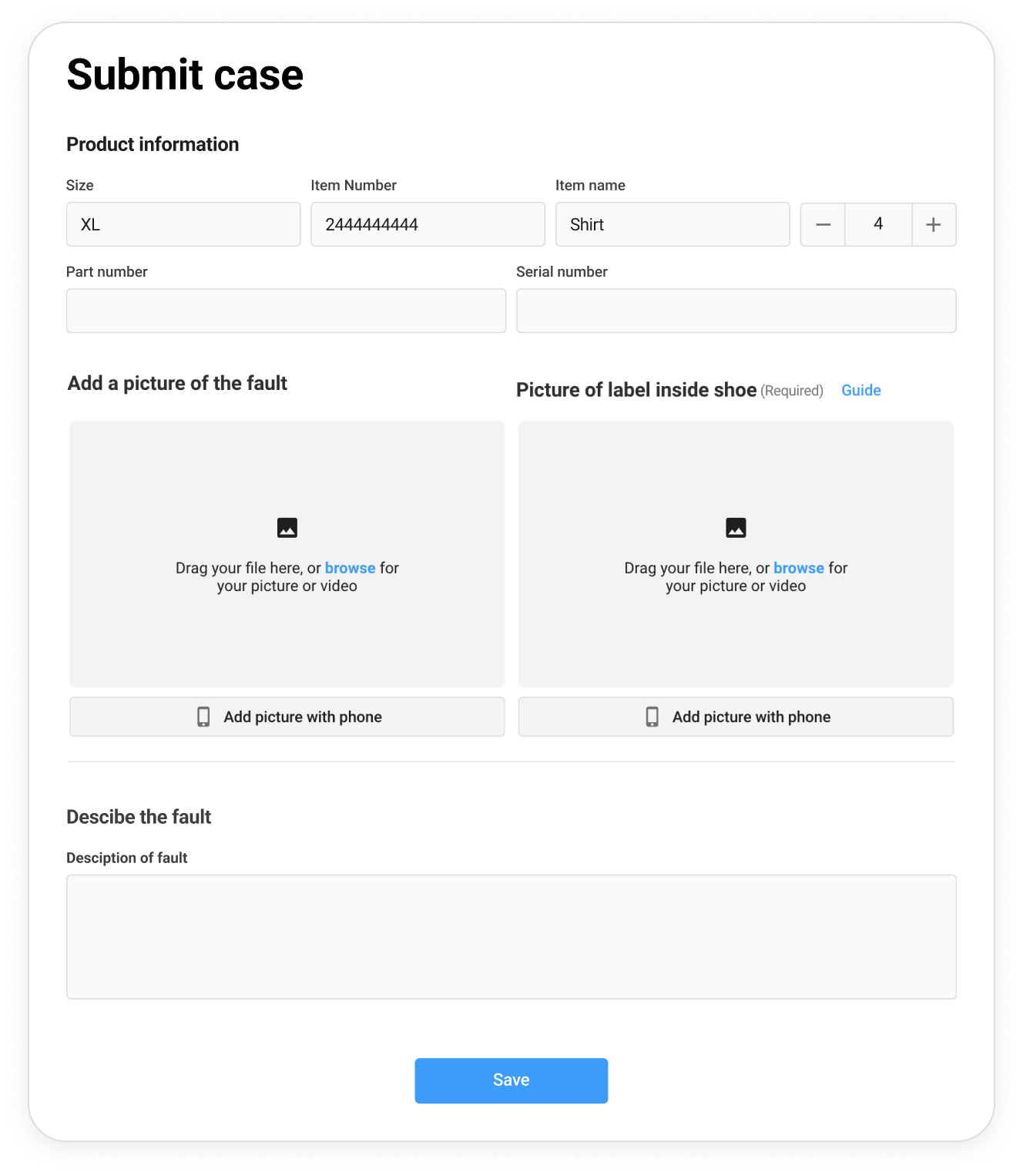
See every B2B case in one place



Recover what you are owed, without the follow-up
Recover costs from your suppliers automatically
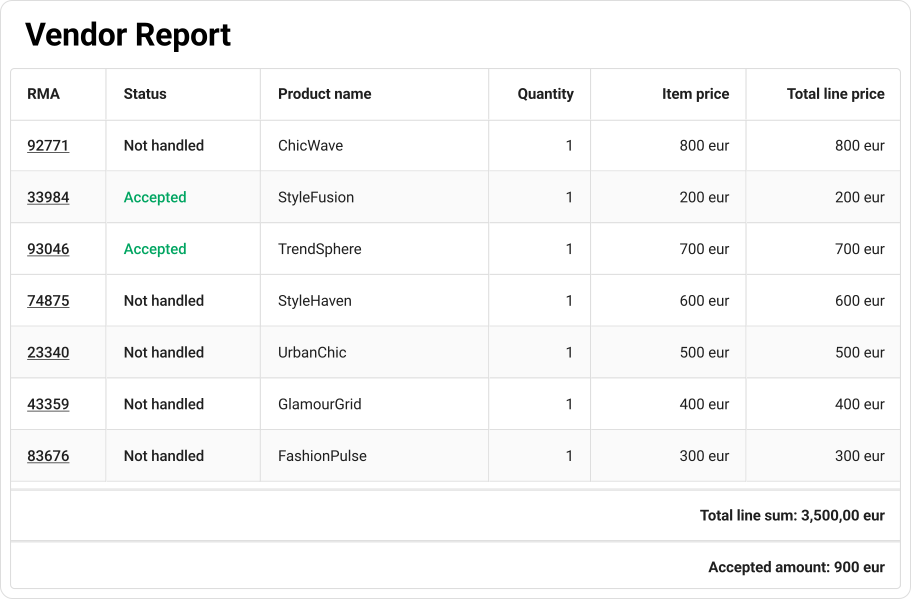
Set the rules retailers see before they submit


Frequently asked questions
Yes! With Claimlane, you can manage both B2C and B2B claims at the same time. You get two separate inboxes, one for each, where you can build custom workflows, assign the right teams, and keep communication and processing organized. This makes it easy to handle retailers, suppliers, and consumers all in one place without mixing things up.
Handling B2B claims often involves multiple partners, complex communication, and different workflows for each brand or supplier. Using dedicated software like Claimlane helps you keep everything in one place, reduce manual work, and avoid email chaos. It also makes it easier to track progress, share documentation, and ensure faster resolutions for everyone involved.
Claimlane works in every country. The platform is translated to almost every language. We're used and trusted by customers in more than 70 countries.
Yes. You can use Claimlane exclusively for B2B claims if that’s what fits your business. The platform is fully modular, so you can focus only on the B2B features and workflows without setting up or paying for B2C functionality.
Yes, absolutely. Claimlane is flexible and can handle even complex or technical products. You can customize claim forms, add detailed product information, and include technical documentation or test results as part of the workflow. This makes it easy for your team and your partners to manage technical claims efficiently without losing important details.
Yes. When you integrate your ERP system, Claimlane can automatically update financial data such as credit notes, replacements, or refunds. This reduces manual work and ensures that both your finance team and your partners always have the right information in sync.
For simple setups, such as a Shopify store with a straightforward product catalog, implementation typically takes 2-4 weeks.
For more complex or enterprise setups, it usually takes between 4–8 weeks, depending on the number of features, integrations, and workflows required.