.webp)
ReturnBear excels in physical drop-off convenience and Canadian cross-border optimization.
If your primary need is localized return logistics, it may still be a strong option.
But if you need broader control across returns, warranties, and repairs, the platforms below are worth considering.
TL;DR – The Best ReturnBear Alternatives in 2026
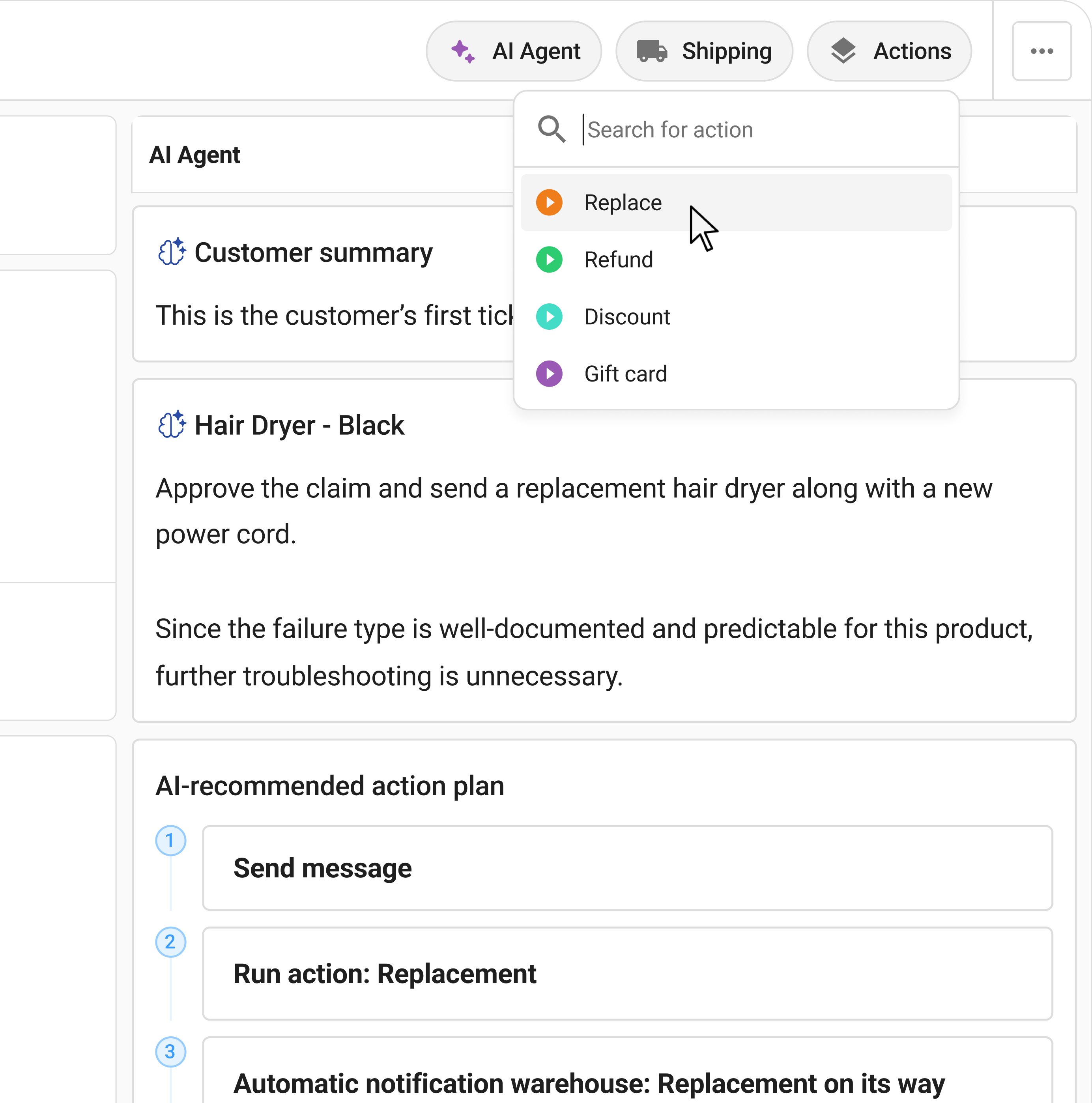
Claimlane ✨ Best for structured returns, warranties & repairs automation
Loop Returns – Best for Shopify-native DTC brands
Happy Returns – Best for US box-free drop-off network
AfterShip Returns – Best for affordable global returns automation
ReBOUND – Best for international logistics-heavy brands
Newmine – Best for returns reduction & analytics
ServiceNow – Best for enterprise service & warranty workflows
Why Teams Look for ReturnBear Alternatives
1. Need for Structured Warranty and Repair Workflows
Drop-off returns work well for simple refunds.
They don’t solve:
- Entitlement validation
- Repair routing
- Replacement logic
- Supplier coordination
Electronics brands, outdoor equipment companies, and DIY manufacturers often require claim validation before approving a return. They may need to forward cases to suppliers, trigger repair workflows, or manage replacement inventory across warehouses.
This requires workflow automation, not just logistics.
2. Desire for Workflow Control vs Infrastructure Dependency
Some teams want more control over how returns are handled.
They need:
- Custom RMA rules
- Automated approvals
- Internal routing logic
- Escalation thresholds
When infrastructure dictates process, flexibility becomes limited. Workflow-first platforms give operations teams more configurability.
3. Geographic Expansion Beyond Canada
ReturnBear is strongly positioned for Canadian returns.
Brands scaling into the US, EU, or globally often require multi-warehouse operations, cross-border compliance handling, localized return portals, and global carrier support.
As operations grow, infrastructure must scale beyond a single region.
4. Aftersales Complexity Beyond Fashion
Fashion returns are mostly sizing or preference-related.
Other verticals — electronics, outdoor equipment, furniture, DIY products — require diagnostic flows, photo uploads, and structured resolution paths.
The Best ReturnBear Alternatives in 2026
1. Claimlane
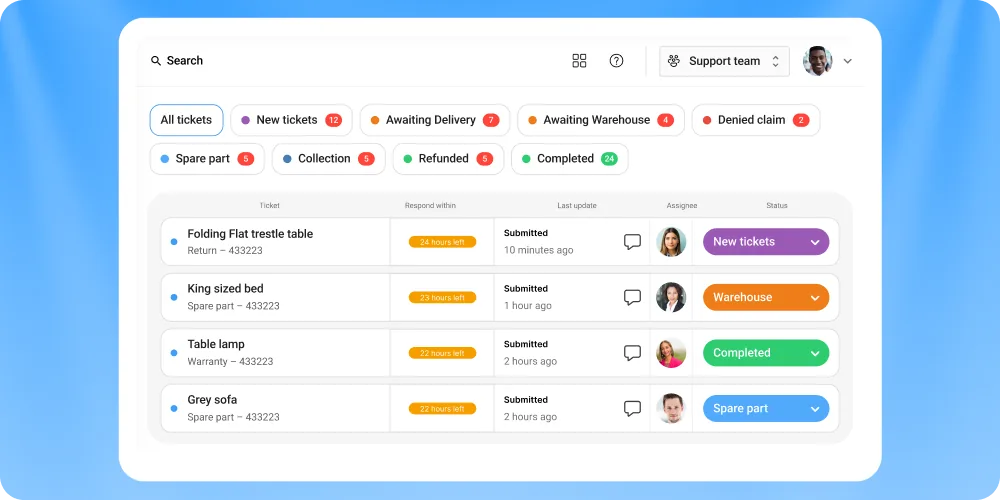
Claimlane is a workflow-first platform designed for returns, warranties, and repair automation.
Capabilities
- Configurable return, warranty, and repair workflows
- AI-powered claim resolution
- Entitlement validation
- Advanced RMA routing
- Supplier forwarding automation
- Branded self-service portal
- Deep analytics and reporting
Unlike infrastructure-first tools, Claimlane focuses on automating the full aftersales lifecycle.
Pricing
Flat pricing from $800 per month, including 2,000 tickets per year. Unlimited users.
How It Compares to ReturnBear
ReturnBear is drop-off-first. Claimlane is workflow-first. ReturnBear focuses on logistics infrastructure. Claimlane manages the entire aftersales lifecycle, including validation, automation, and supplier coordination.
2. Loop Returns
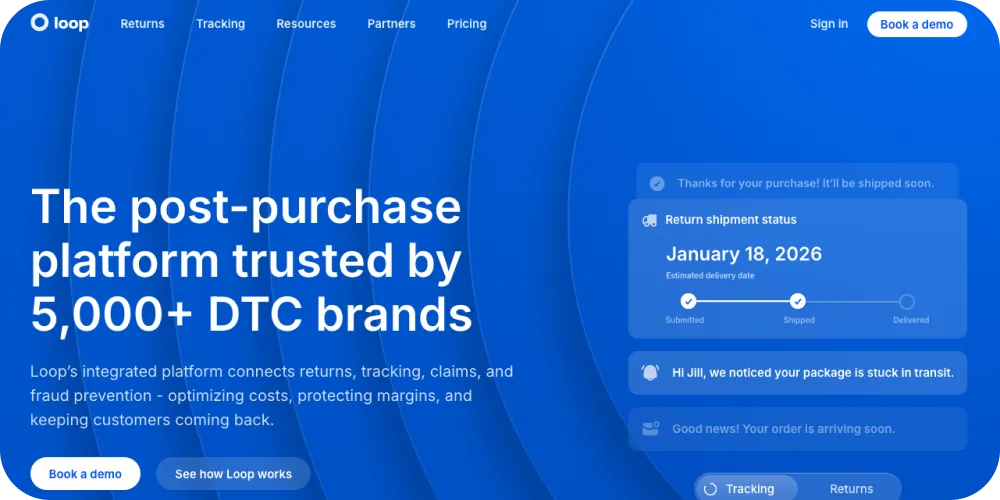
Loop Returns is a Shopify-native platform optimized for DTC brands. Deep Shopify integration, exchange-first model, refund automation. Tiered pricing based on order volume.
3. Happy Returns

Happy Returns operates a large US retail drop-off network with box-free returns and consolidated shipping. Volume-based custom pricing.
4. AfterShip Returns
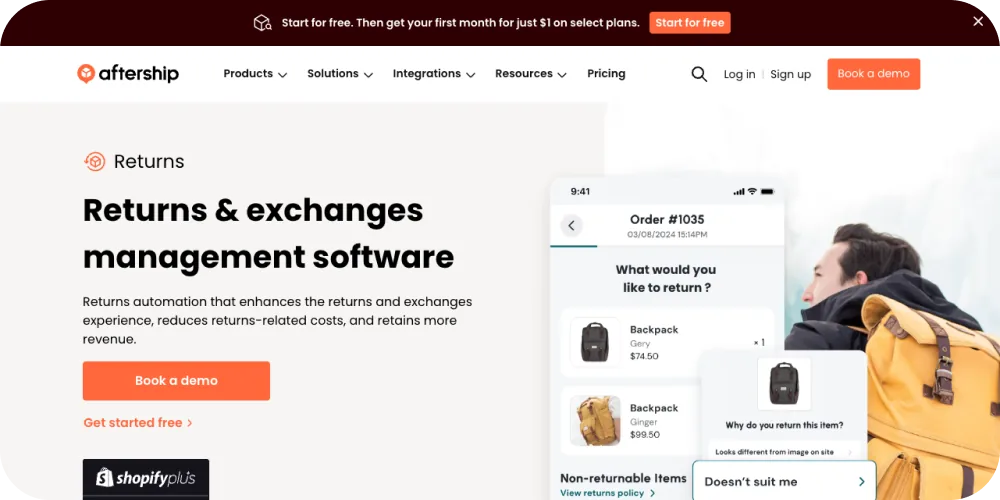
AfterShip Returns is a software-first platform with strong global support, multi-carrier coverage, and fraud prevention tools. Tiered SaaS plans.
5. ReBound

ReBOUND specializes in cross-border logistics with strong European infrastructure and carrier partnerships. Custom enterprise pricing.
6. Newmine

Newmine focuses on reducing return rates through analytics, root cause analysis, and product feedback insights. Custom enterprise pricing.
7. ServiceNow

ServiceNow is an enterprise service platform with warranty and service workflows, SLA automation, and ERP integrations. Enterprise licensing.
How to Choose the Right ReturnBear Alternative
Choose based on your primary use case: if you need returns + warranty + repairs in one platform, Claimlane. If you’re on Shopify with exchange-first needs, Loop Returns. If you need US box-free drop-off, Happy Returns. If you want affordable global automation, AfterShip. If you need international logistics depth, ReBOUND. If your focus is reducing return rates, Newmine. If you’re already on ServiceNow, ServiceNow.
Claimlane is the strongest choice for brands that manage returns, warranty claims, and repairs together — and need that process to be fast, configurable, and scalable.
Book a demo to see how intelligently you handle what happens next.