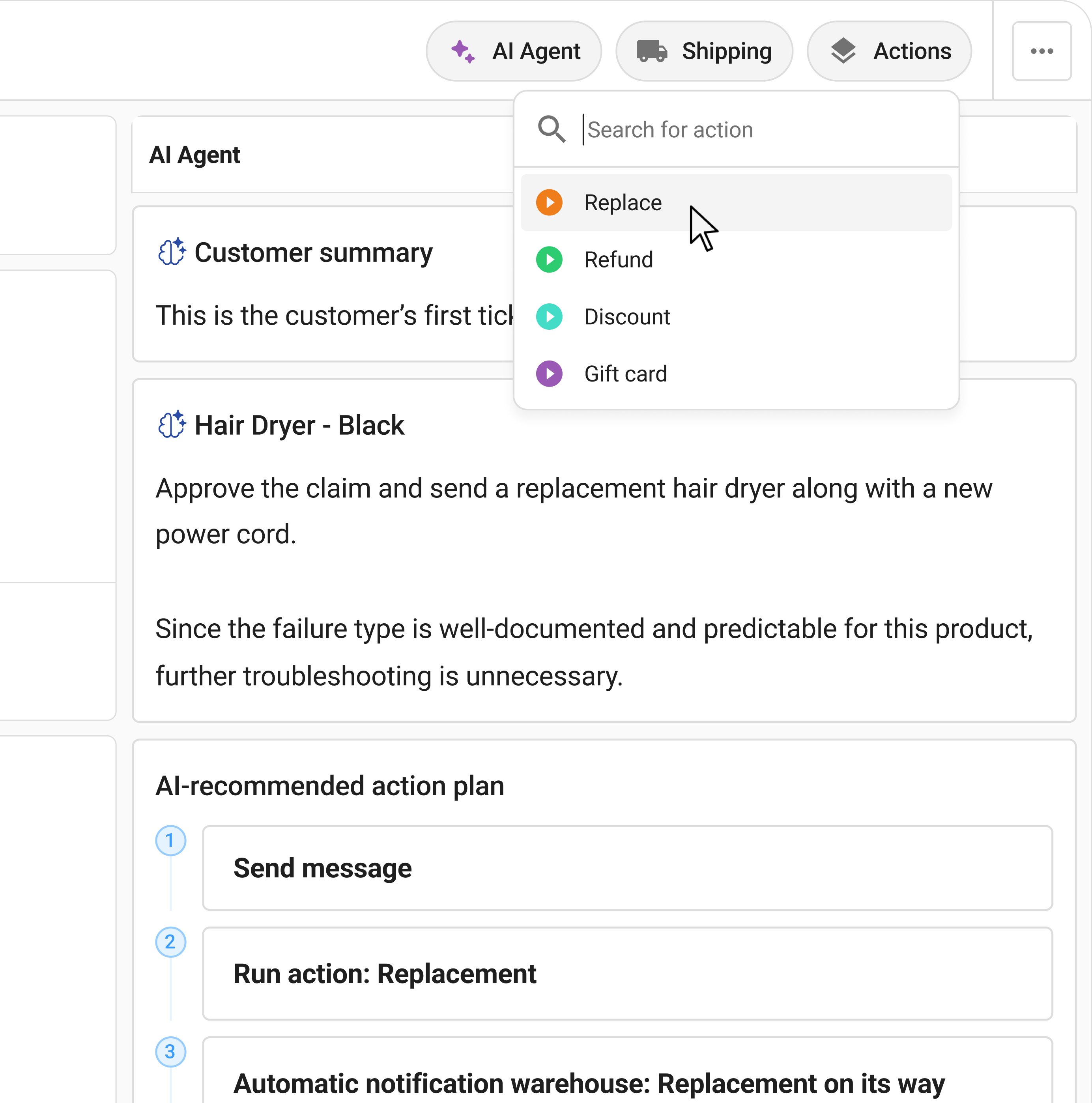

Shopify has over 8,000 apps in its marketplace. WooCommerce has more than 59,000 plugins available through WordPress. The sheer number of options is the problem. Most brands don't need more choices. They need to know which integrations are actually worth installing.
The wrong integration slows down your store, creates data silos, and adds monthly costs that compound quietly. The right ones remove friction, automate repetitive work, and give you data that improves decision-making.
This guide covers the best ecommerce integrations for Shopify and WooCommerce in 2026, organized by category. Each recommendation is based on what the tool actually does well, where it falls short, and which type of brand it's best suited for.
How to Evaluate Ecommerce Integrations
Before diving into specific tools, here's a framework for evaluating any integration:
- Does it solve a real problem? If you're adding a tool because it seems cool rather than because you have a specific pain point, skip it.
- Does it play well with your existing stack? Integrations that don't sync properly with your other tools create more work than they save.
- What's the total cost? Monthly fees add up. A brand running 15 integrations at $50/month each is spending $9,000/year on tools alone.
- Is the data portable? If you cancel the tool, can you take your data with you? Avoid vendor lock-in where possible.
- Does it affect site speed? Every script that loads on your storefront affects page speed. Page speed affects conversion rates.
Returns and Claims Management
Returns are one of the highest-friction areas of ecommerce. The average return rate for online purchases hovers around 20%, and how you manage that process directly affects whether customers come back.
Claimlane
Platforms: Shopify, WooCommerce
Best for: Brands that need structured returns, warranty claims, and damaged product workflows
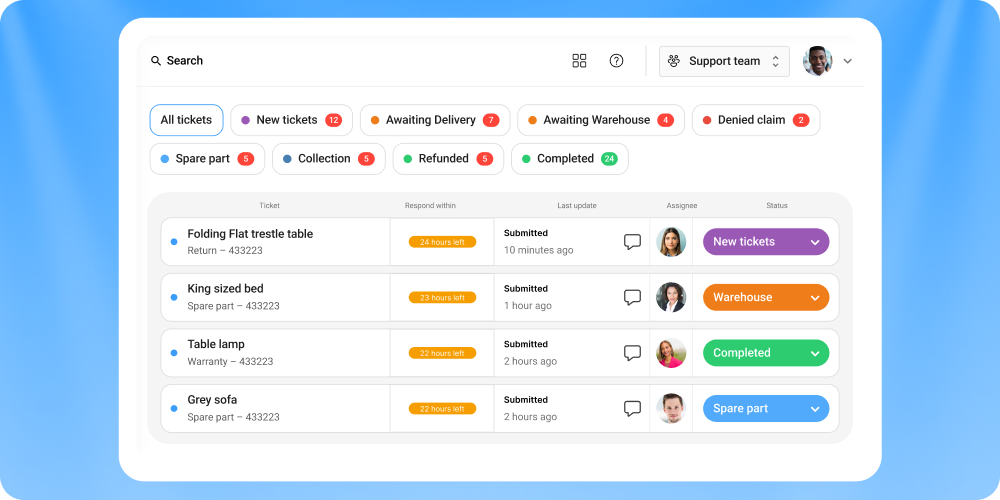
Claimlane is a claims and returns platform built for ecommerce brands that deal with product issues beyond simple "I changed my mind" returns. It's particularly strong for brands handling warranty claims, damaged product reports, and supplier claims alongside standard returns.
What makes Claimlane different from general-purpose returns tools is the evidence collection workflow. When a customer initiates a claim, they're guided through uploading photos, selecting the issue type, and providing details before any action is taken. This gives your team complete context before deciding on a resolution.
The Shopify integration pulls in order data automatically, so customers don't have to dig up order numbers. The WooCommerce integration works similarly, connecting order history to claim workflows.
Strengths:
- Purpose-built for claims, not just returns
- Photo and video evidence collection
- Warranty tracking and supplier claim management
- Works for both B2C and B2B
Best for: Brands selling physical products with warranty obligations, fragile goods, or complex return reasons.
Loop Returns
Platforms: Shopify (only)
Best for: Apparel and fashion brands focused on exchange-first returns
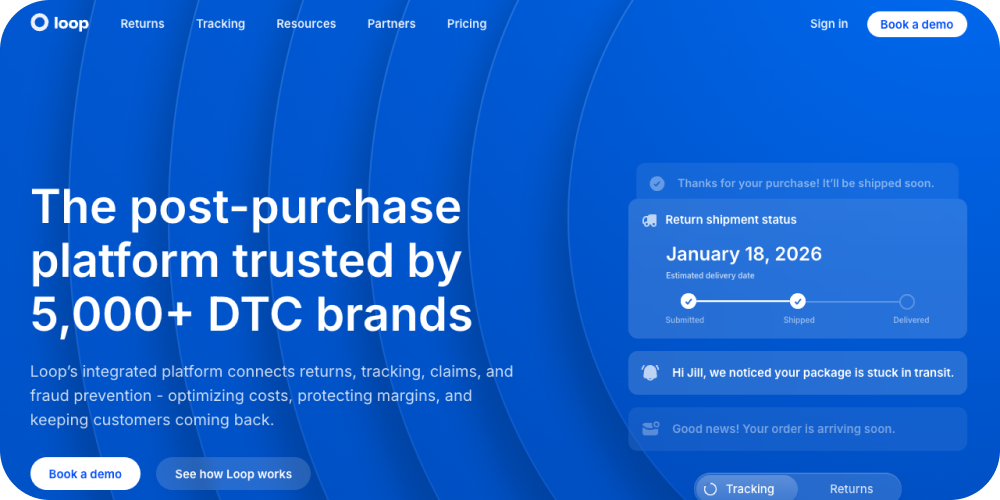
Loop is built around the idea that a return doesn't have to mean lost revenue. Its exchange-first approach encourages customers to swap for a different size or color rather than requesting a refund. The instant exchange feature ships the new item before the customer sends back the original.
Strengths:
- Strong exchange incentives (bonus credit, instant exchanges)
- Clean, branded return portal
- Good Shopify integration
Limitations:
- Shopify only (no WooCommerce support)
- Less suited for non-apparel categories
- Doesn't handle warranty claims or supplier claims
AfterShip Returns
Platforms: Shopify, WooCommerce
Best for: Brands wanting returns + shipment tracking in one ecosystem
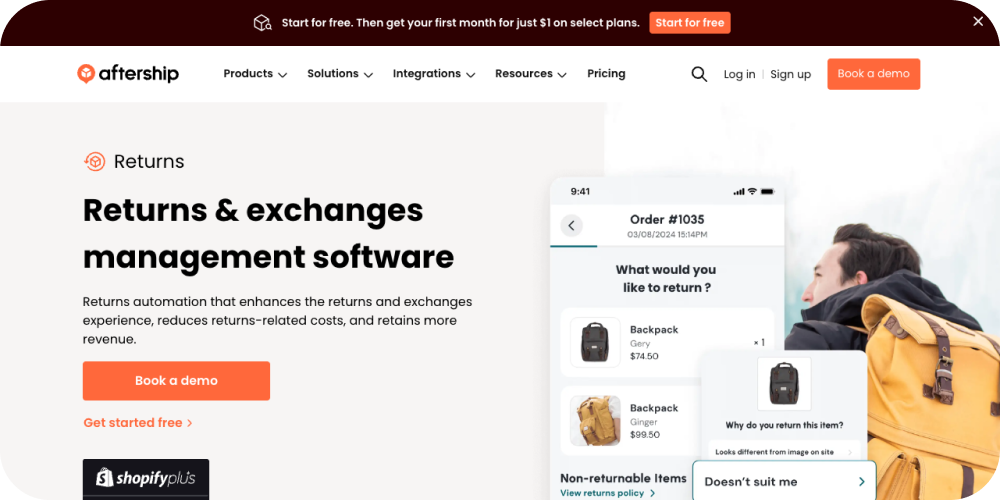
AfterShip started as a shipment tracking platform and expanded into returns. The advantage is that tracking and returns data live in the same system. If you already use AfterShip for outbound tracking, adding returns creates a seamless data loop.
Strengths:
- Combined tracking and returns
- Supports 50+ carriers
- Branded tracking pages
Limitations:
- Returns features aren't as deep as dedicated returns platforms
- Can get expensive at scale with tracking + returns pricing combined
Claimlane
Loop Returns
AfterShip Returns
Customer Support and Helpdesk
Customer support is where loyalty is won or lost. The right helpdesk integration connects order data to support tickets so agents can resolve issues without asking customers to repeat information.

Gorgias
Platforms: Shopify (native), WooCommerce (via integration)
Best for: Ecommerce-focused support teams that want deep Shopify integration
Gorgias is built specifically for ecommerce customer support. It pulls order data, shipping information, and customer history directly into the support ticket. Agents can process refunds, edit orders, and manage subscriptions without leaving the helpdesk.
The automation features are particularly strong. Gorgias can auto-respond to common questions ("Where's my order?") by pulling real-time tracking data. For brands fielding hundreds of tickets daily, this reduces agent workload significantly.
Strengths:
- Deep Shopify integration (order actions within tickets)
- Strong automation for common ecommerce queries
- Revenue tracking per support interaction
Limitations:
- WooCommerce integration is less native
- Pricing scales with ticket volume

Zendesk
Platforms: Shopify, WooCommerce (via apps)
Best for: Larger teams needing enterprise-grade support infrastructure
Zendesk is the established leader in customer support software, and it integrates with both Shopify and WooCommerce through marketplace apps. It's more powerful than Gorgias in terms of reporting, multi-brand support, and advanced workflow automation.
The trade-off: it's not built specifically for ecommerce, so order management within tickets requires more setup.
Strengths:
- Enterprise-grade reporting and SLA management
- Multi-brand and multi-language support
- Extensive app marketplace
Limitations:
- Not ecommerce-native (requires configuration)
- Higher learning curve
- More expensive for small teams
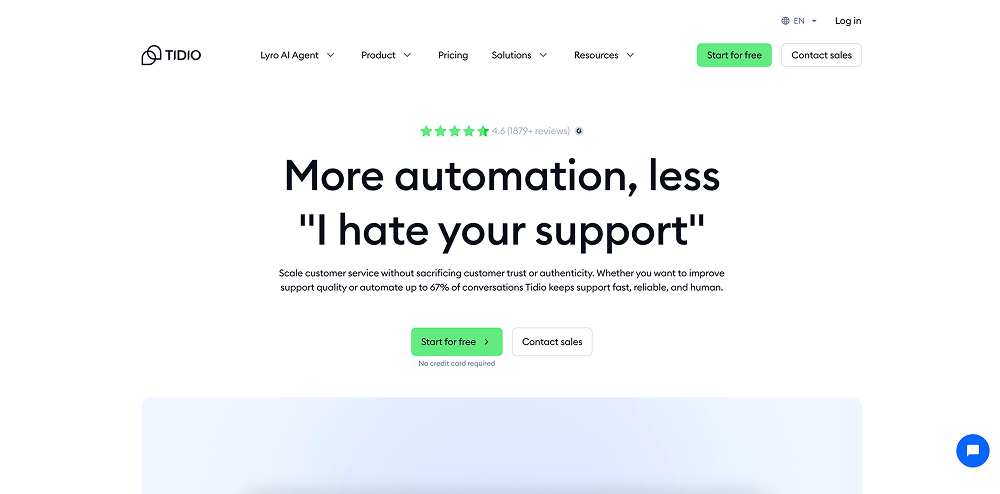
Tidio
Platforms: Shopify, WooCommerce
Best for: Small to mid-size brands wanting live chat + chatbot automation
Tidio combines live chat, chatbot automation, and a basic helpdesk. It's lighter than Gorgias or Zendesk but covers the essentials for smaller teams. The AI chatbot can handle common questions, and live chat lets agents jump in for complex issues.
Strengths:
- Affordable for small teams
- Easy to set up on both platforms
- Chatbot builder with pre-made templates
Limitations:
- Not as deep for ecommerce-specific workflows
- Limited reporting compared to Gorgias or Zendesk
Email and SMS Marketing
Email and SMS remain the highest-ROI marketing channels for ecommerce. The best integrations connect directly to your store data so you can segment by purchase behavior, not just demographics.

Klaviyo
Platforms: Shopify (native), WooCommerce
Best for: Data-driven ecommerce brands that want deep segmentation
Klaviyo has become the default email and SMS platform for ecommerce brands, and for good reason. Its Shopify integration syncs order data, browsing behavior, and customer profiles in real time. This means you can build segments like "customers who bought Product X but haven't reordered in 60 days" without any manual data work.
The predictive analytics features (predicted customer lifetime value, expected next order date, churn risk) are genuinely useful for targeting retention campaigns.
Strengths:
- Best-in-class ecommerce data integration
- Predictive analytics and AI features
- Pre-built flow templates (abandoned cart, post-purchase, win-back)
Limitations:
- Pricing scales with contact list size (can get expensive)
- Learning curve for advanced segmentation

Omnisend
Platforms: Shopify, WooCommerce
Best for: Brands wanting email + SMS + push notifications in one platform at a lower price point
Omnisend positions itself as the more affordable alternative to Klaviyo. It offers email, SMS, and push notifications in a single platform. The WooCommerce integration is solid, and the automation builder is intuitive.
Strengths:
- More affordable than Klaviyo at scale
- Email + SMS + push in one tool
- Good WooCommerce integration
Limitations:
- Segmentation isn't as deep as Klaviyo
- Fewer third-party integrations
Fulfillment and Shipping
Shipping is where promises meet reality. The right fulfillment integration automates label generation, carrier selection, and tracking updates.

ShipStation
Platforms: Shopify, WooCommerce
Best for: Multi-channel sellers needing centralized shipping management
ShipStation connects to 70+ carriers and 40+ selling channels. It automates shipping rules (e.g., orders over 2 lbs use UPS Ground, everything else uses USPS Priority), prints batch labels, and sends branded tracking emails.
Strengths:
- Multi-carrier, multi-channel support
- Automation rules for shipping selection
- Discounted USPS and UPS rates
Limitations:
- Interface can feel dated
- Customer support wait times vary
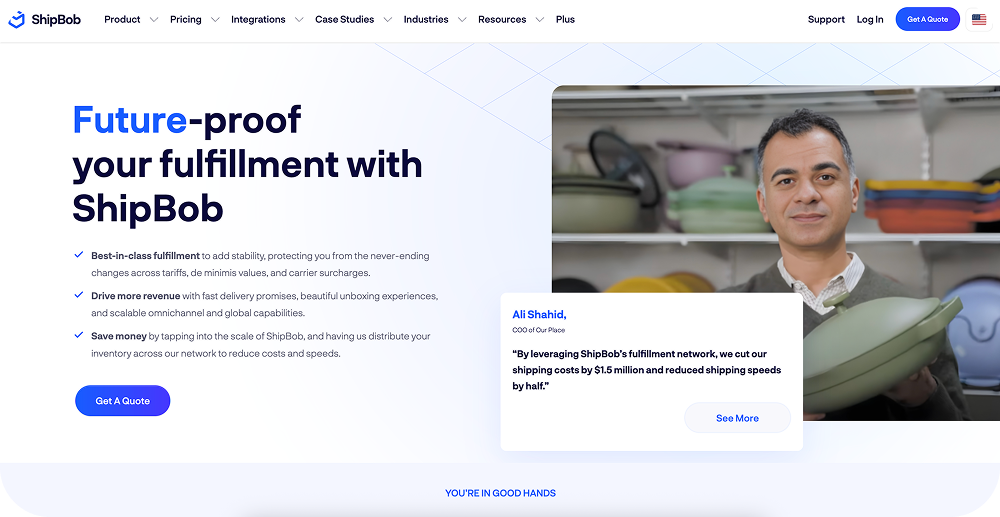
ShipBob
Platforms: Shopify, WooCommerce
Best for: Brands ready to outsource fulfillment to a tech-enabled 3PL
ShipBob is both software and a fulfillment network. You send inventory to their warehouses, and they handle picking, packing, and shipping. The integration syncs orders automatically and provides real-time inventory visibility across their fulfillment centers.
Strengths:
- End-to-end fulfillment (not just software)
- Distributed warehouse network for faster delivery
- Real-time inventory and analytics dashboard
Limitations:
- You're trusting a third party with your inventory and customer experience
- Pricing can be complex (per-pick, per-pack, storage fees)
- Less control than in-house fulfillment
Analytics and Reporting
Data drives better decisions. The built-in analytics on Shopify and WooCommerce cover the basics, but dedicated analytics integrations go deeper.

Triple Whale
Platforms: Shopify (primarily)
Best for: DTC brands wanting unified ad attribution and profit tracking
Triple Whale consolidates data from ads (Meta, Google, TikTok), Shopify, and other sources into a single dashboard. Its attribution modeling helps brands understand which ad spend is actually driving profitable sales, not just revenue.
Strengths:
- Unified ad attribution across platforms
- Real-time profit dashboard
- Creative performance analytics
Limitations:
- Shopify-focused (limited WooCommerce support)
- Can be expensive for smaller brands
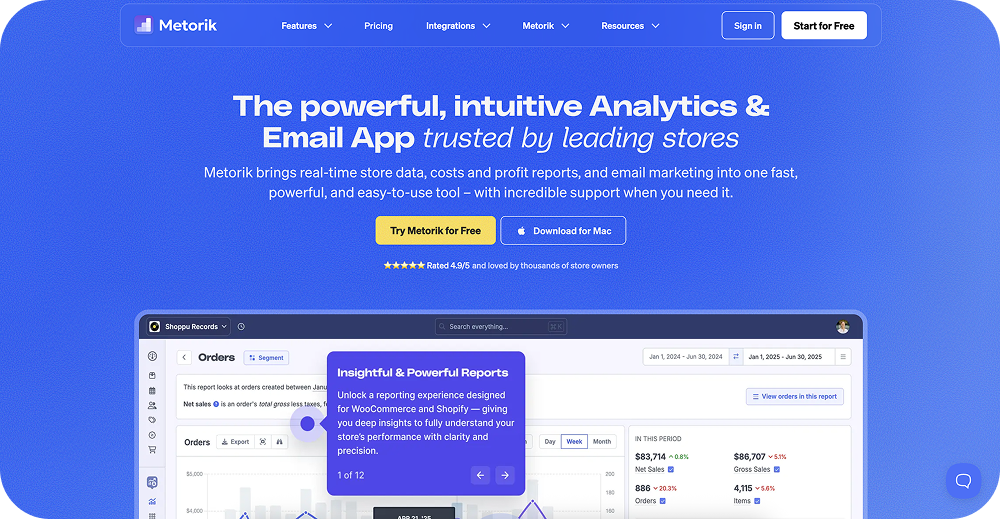
Metorik
Platforms: WooCommerce (primarily), Shopify
Best for: WooCommerce stores wanting Shopify-level analytics
Metorik fills the analytics gap that WooCommerce has compared to Shopify. It provides real-time dashboards, customer segmentation, email automation, and detailed product analytics. For WooCommerce stores, it's often the best way to get actionable data without building custom reports.
Strengths:
- Purpose-built for WooCommerce
- Real-time reports and dashboards
- Customer segmentation and automated emails
Limitations:
- Less relevant if you're on Shopify (which has better native analytics)
- Pricing based on order volume
The Essential Ecommerce Integration Stack
Reviews and Social Proof
Reviews influence buying decisions and reduce returns. Customers who read reviews have a better understanding of what they're buying, which means fewer "not what I expected" returns.
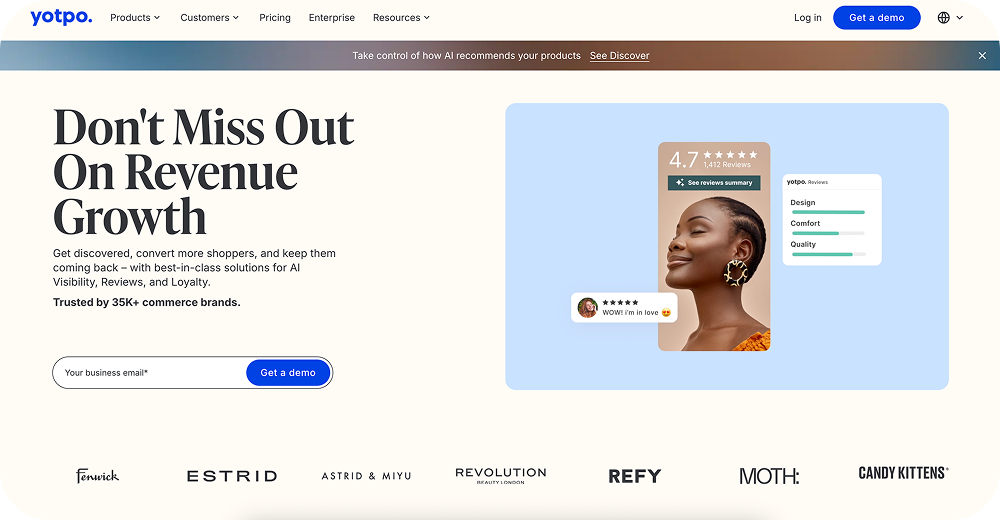
Yotpo
Platforms: Shopify, WooCommerce
Best for: Brands wanting reviews + loyalty + referrals in one ecosystem
Yotpo started as a reviews platform and expanded into loyalty programs, referrals, SMS marketing, and subscriptions. The review collection is solid, with smart prompts that encourage detailed feedback and photo uploads.
Strengths:
- All-in-one reviews + loyalty + referrals
- AI-powered review request optimization
- Strong visual UGC collection
Limitations:
- The all-in-one approach means each individual feature may not be best-in-class
- Can get expensive when bundling multiple products
Judge.me
Platforms: Shopify, WooCommerce
Best for: Budget-conscious brands wanting solid review functionality
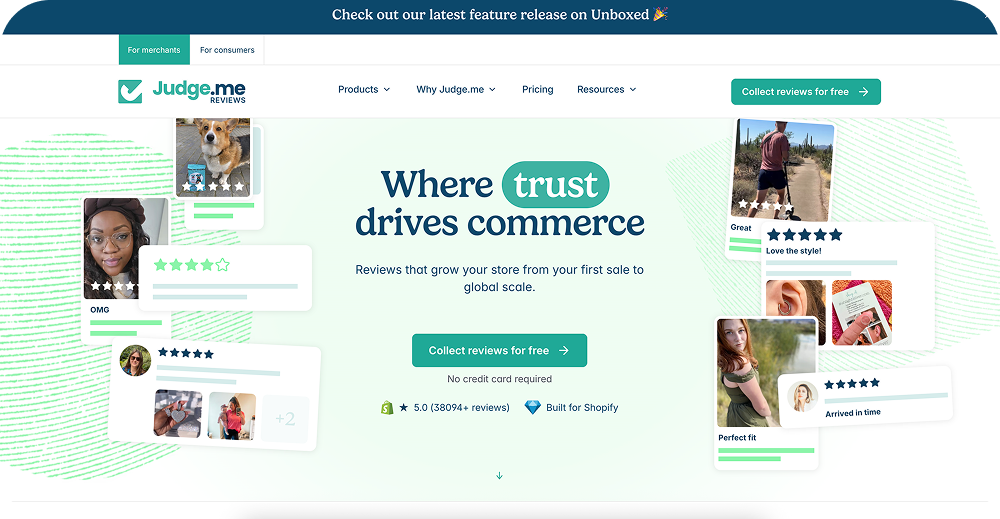
Judge.me is the value pick. Its free plan includes unlimited review collection with photos and videos. The paid plan adds features like Q&A, custom forms, and Google Shopping integration. For brands that just need reviews without the full loyalty ecosystem, Judge.me delivers the best value.
Strengths:
- Generous free plan
- Fast loading (lightweight script)
- Photo and video reviews included in free plan
Limitations:
- No loyalty or referral programs
- Less advanced analytics than Yotpo
SEO and Content
Organic search is the most sustainable customer acquisition channel. These integrations help ecommerce stores rank better.
Yoast SEO (WooCommerce)
Platform: WooCommerce only
Best for: WooCommerce stores wanting on-page SEO guidance
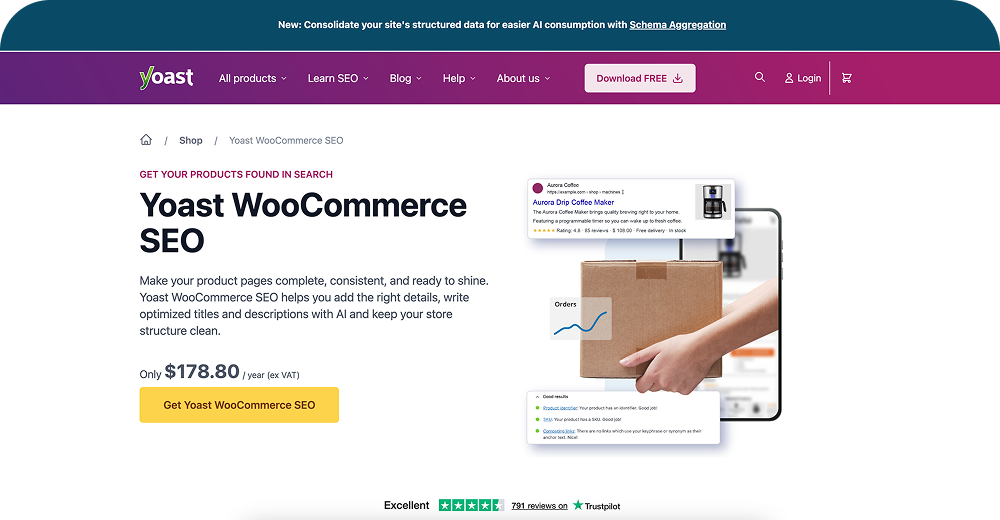
Yoast is the standard SEO plugin for WordPress and WooCommerce. It provides on-page optimization suggestions, schema markup, XML sitemaps, and readability analysis. The WooCommerce-specific features include product schema and breadcrumb optimization.

Plug in SEO (Shopify)
Platform: Shopify only
Best for: Shopify stores wanting automated SEO issue detection
Plug in SEO scans your Shopify store for common SEO issues: broken links, missing meta descriptions, slow-loading pages, and thin content. It provides a prioritized list of fixes, which is useful for stores with large product catalogs.
Accounting and Finance
Keeping financial data in sync between your ecommerce platform and accounting software prevents errors and saves hours of manual reconciliation.
Xero / QuickBooks Integrations
Platforms: Shopify, WooCommerce (via apps like A2X, Synder)
Best for: Any ecommerce brand that needs clean books
Tools like A2X and Synder automatically sync ecommerce transactions to Xero or QuickBooks. They break down each settlement (sales, refunds, fees, taxes) into accurate journal entries, so your books match your bank statements.
This is one of the most underrated integration categories. Brands that manually reconcile ecommerce transactions waste hours each month and increase the risk of accounting errors.
How to Build Your Integration Stack
Don't install everything at once. Build your integration stack in phases based on what's causing the most friction in your business right now.
Phase 1: Foundations (Day 1)
- Email marketing (Klaviyo or Omnisend)
- Shipping (ShipStation or your platform's native shipping)
- Accounting sync (A2X or Synder)
Phase 2: Growth (Months 3-6)
- Customer support helpdesk (Gorgias or Zendesk)
- Reviews (Judge.me or Yotpo)
- Returns management (Claimlane or your preferred returns tool)
Phase 3: Optimization (Months 6-12)
- Advanced analytics (Triple Whale or Metorik)
- SEO tools (Yoast or Plug in SEO)
- Loyalty and referrals (if not bundled with reviews)
This phased approach ensures each integration is properly set up and tested before adding the next layer of complexity.
FAQ: Ecommerce Integrations
How many integrations should my store have?
Most successful stores run 8-15 active apps. Prioritize quality over quantity and remove unused integrations regularly.
Do integrations slow my store down?
Front-end scripts (chat, reviews, pop-ups) can. Back-end integrations (accounting, order management) generally don't. Audit regularly.
Same integrations for Shopify and WooCommerce?
Not always. Some tools are better on one platform. Choose the best tool for your platform rather than forcing consistency.
How do I know if an integration is worth the cost?
Calculate ROI: time saved × hourly cost vs. monthly fee. For revenue tools, track incremental revenue generated.