
SAP can process a warranty claim. It validates the claim against a master warranty, checks the coverage counters, settles the reimbursement, and records the whole thing against the equipment or serial number. The LO-WTY module does this well, which is why large brands rely on it.
What SAP cannot do is the part that makes a warranty claim hard in the first place. It has no place for a customer to submit a claim with photos. It does not assess a fault from an image. It settles supplier recovery one claim at a time. SAP is waiting for a claim that is already clean. Real claims never arrive that way.
This is written for warranty-heavy brands with repairs and spare parts, the electronics, sporting goods, furniture, and DIY companies where a claim means a photo, a serial, and a judgement call, not just a reimbursement line.
What SAP warranty management actually covers
SAP warranty management, in the LO-WTY sense, is a settlement and recovery engine. It holds master warranties, applies them to serialized products, processes inbound claims, and handles reimbursement to and from the parties involved. SAP documents the claim processing flow in detail on its Help Portal.
For a brand already deep in SAP, this is real value. The financial record is accurate, claims tie to equipment history, and vendor recovery exists as a concept. The guide to how an ERP handles warranty claims and the comparison of ERP versus dedicated returns management software both cover where this strength ends. For the returns side of the same system, SAP return order processing is the companion read.
The four things native SAP warranty cannot do
Strip away the configuration talk and four gaps are left. No customer-facing intake portal. No photo or video evidence capture. No AI fault assessment from that evidence. No collective, evidence-led supplier recovery. Each one is a place where a brand fills the gap with email, spreadsheets, or staff time.
The warranty side of this is covered in the warranty claims processing guide and the four pillars of warranty claims software, which name intake and evidence as the pillars ERPs skip.
The intake problem: SAP waits for a clean claim
SAP assumes a claim already exists in a structured form. Someone has already decided it is a warranty case, attached the right data, and keyed it in. In practice, the customer or retailer reports a fault by email or phone, an agent interprets it, and only then does anything reach SAP.
That gap is where the days go. A settlement document is not a claim process. It is the last page of one. The warranty management process breakdown and the piece on why warranty claims take two weeks both trace the delay to intake, not settlement. A self-service portal moves that first step off email, which is the point of Claimlane's self-service portal and the reason brands pair it with warranty registration to know the product and coverage before the claim lands.
Photo evidence and AI fault assessment
Most warranty decisions in these categories come down to an image. Is the screen cracked from a fault or a drop. Is the frame defective or worn. SAP has no way to look at a photo and reach a view. An agent does it, and that agent needs product training to judge 200 SKUs.
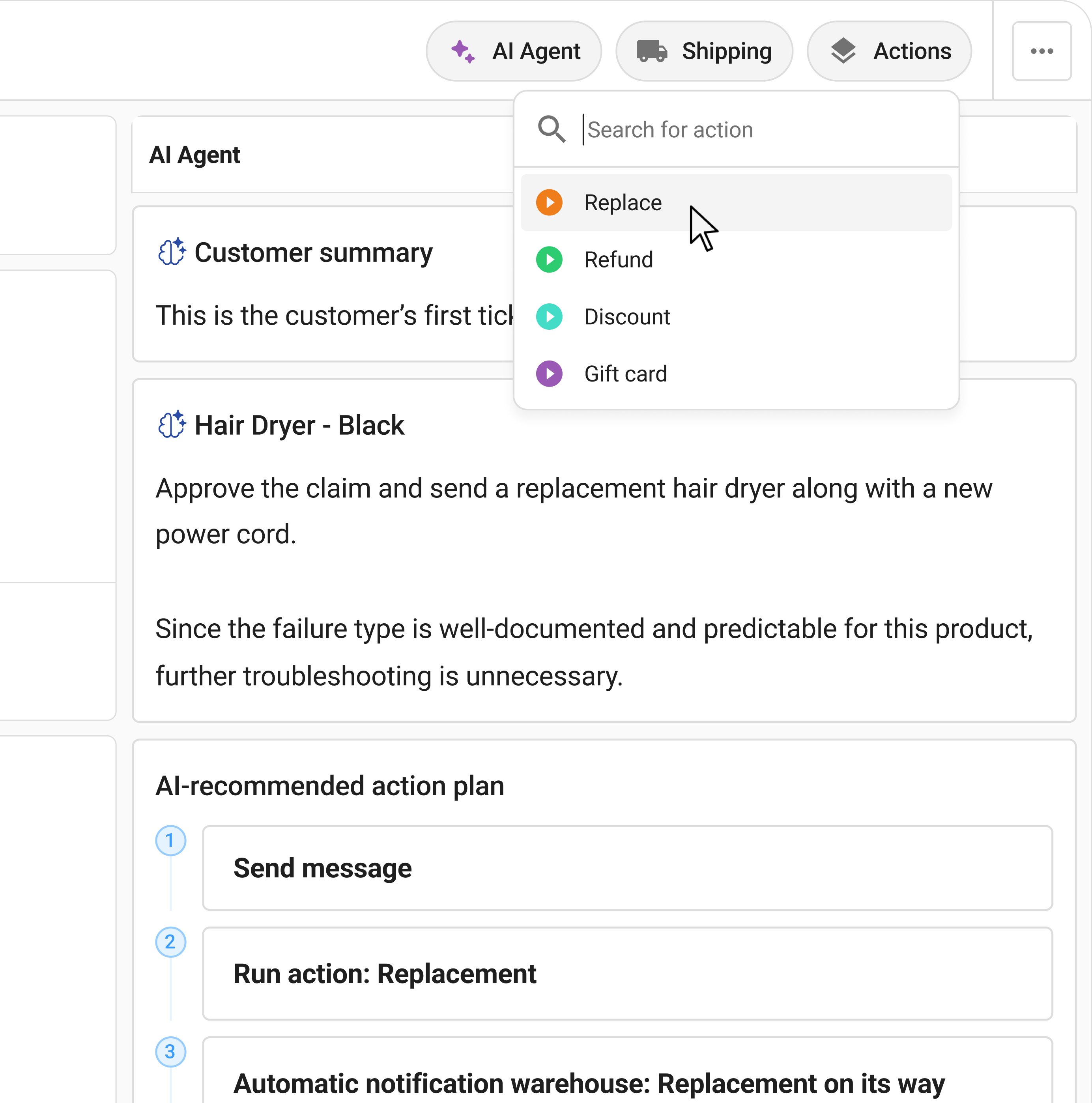
This is where AI changes the economics. Claimlane's AI Agent, the first AI agent purpose-built for warranty claims and returns, analyses product images and videos, applies warranty rules per product and supplier, and recommends or auto-approves a resolution. The AI image recognition for warranty claims piece and the AI warranty claims automation guide show how that assessment runs. Claimlane's AI Agent sits on top of the claim, not inside SAP.
Supplier recovery, claim by claim
SAP's standard supplier recovery submits vendor claims one at a time. When a brand handles hundreds of claims a month, one-by-one recovery is slow enough that a share of recoverable cost is simply left on the table.
The fault a customer reported is often the supplier's fault, and the evidence to prove it already exists in the claim. Forwarding that evidence in a batch, tied to the right supplier, is how recovery scales. The supplier recovery guide on getting credit notes faster and the supplier chargebacks for recovering warranty costs breakdown cover the math. Claimlane's forward to supplier does it with the customer's evidence attached, and analytics shows which suppliers and SKUs drive claim cost, using serial data described in serialized product defect tracking.
How to extend SAP without replacing it
Nobody rips out SAP to fix warranty intake. The extension model is a claims layer that owns the front of the process and hands the finished claim to SAP for settlement. Customer submits through a portal, evidence is captured, AI or an agent assesses it, the supplier claim is prepared, and only the settled result posts to SAP.
This is the integration-first view, and it is a strategic choice, not a feature footnote. SAP stays the ERP. Shopify or a B2B channel feeds orders, Zendesk or Gorgias handles support tickets, and the claims layer connects them. The ERP returns integrations overview and ERP finance system integration for returns explain the reconciliation, and Claimlane's workflow engine is where the rules live. Brands can also review warranty management best practices and how to optimise the warranty claim process.
SAP stays the system of record
Two-tier positioning applies. Simple size-and-fit consumer returns do not need any of this; a Shopify returns app handles those. Complex warranty with repairs, spare parts, photo evidence, and supplier recovery on top of SAP is Claimlane's lane. It is the post-purchase execution and intelligence layer that runs alongside SAP, not underneath it.
Claimlane holds a 4.8/5 rating on G2. Brands in this category can start with the electronics returns and warranty claims guide, the warranty SLA management breakdown, the warranty management software overview, or the electronics industry page.
FAQ
Try the aftersales platform built for warranty and returns. Book a demo to see how the claim intake, evidence, and supplier steps run alongside SAP.