Most warranty pages treat "wear and tear" as a fixed list of parts that are never covered. That framing is wrong, and it is the reason so many claims turn into arguments.
Wear and tear is not a category of product. It is a judgment about cause. The same worn zipper can be normal aging on a three-year-old jacket and a manufacturing defect on a jacket that is two months old. The word does not decide the claim. The evidence does.
Brands that write warranty terms as if wear and tear were a static exclusion list end up denying valid claims and approving weak ones. The line moves with product age, usage, and proof. This piece is about where that line actually sits, and how brands hold it consistently across thousands of claims.
Most of the ranking content on this topic covers cars and home warranties. Physical-product brands in electronics, furniture, and sporting goods face a different problem, and almost nobody writes for them.
A wear-and-tear exclusion is warranty language that removes coverage for deterioration caused by normal, expected use over time, as opposed to a fault in materials or workmanship. It is a cause-based test, not a fixed list of parts. A component only counts as wear and tear when it fails on schedule under ordinary use. The same component can be a covered defect when it fails early or under normal conditions.
Why "normal wear" is a moving line, not a parts list
The honest version of a warranty exclusion is a rate-of-failure test. A part that is designed to last three years and lasts three years is wear. A part designed to last three years that fails in ten weeks is a signal of a defect, and that is where manufacturing defect coverage applies.
That is why a rigid list breaks down. Brake pads on a bike, outsoles on a running shoe, and hinges on a laptop all wear out eventually. The question is never "is this a wear part." The question is whether it failed within the window that ordinary use predicts.
Product age is the first input. Usage intensity is the second. Evidence is the third, and it is the one most brands underuse. A serial number and a photo turn a subjective argument into a decision the brand can defend. Claimlane's approach to serial number tracking exists for exactly this reason.
Wear and tear vs a covered defect
The difference between the two is where almost every disputed warranty claim gets denied or wrongly approved. A clear table settles most of them before an agent ever weighs in.
| Signal | Points to wear and tear | Points to a covered defect |
|---|---|---|
| Timing | Fails near or after expected lifespan | Fails early, well inside expected lifespan |
| Pattern | One unit, gradual decline | Same fault across many units or one batch |
| Cause | Friction, exposure, ordinary use | Materials or workmanship |
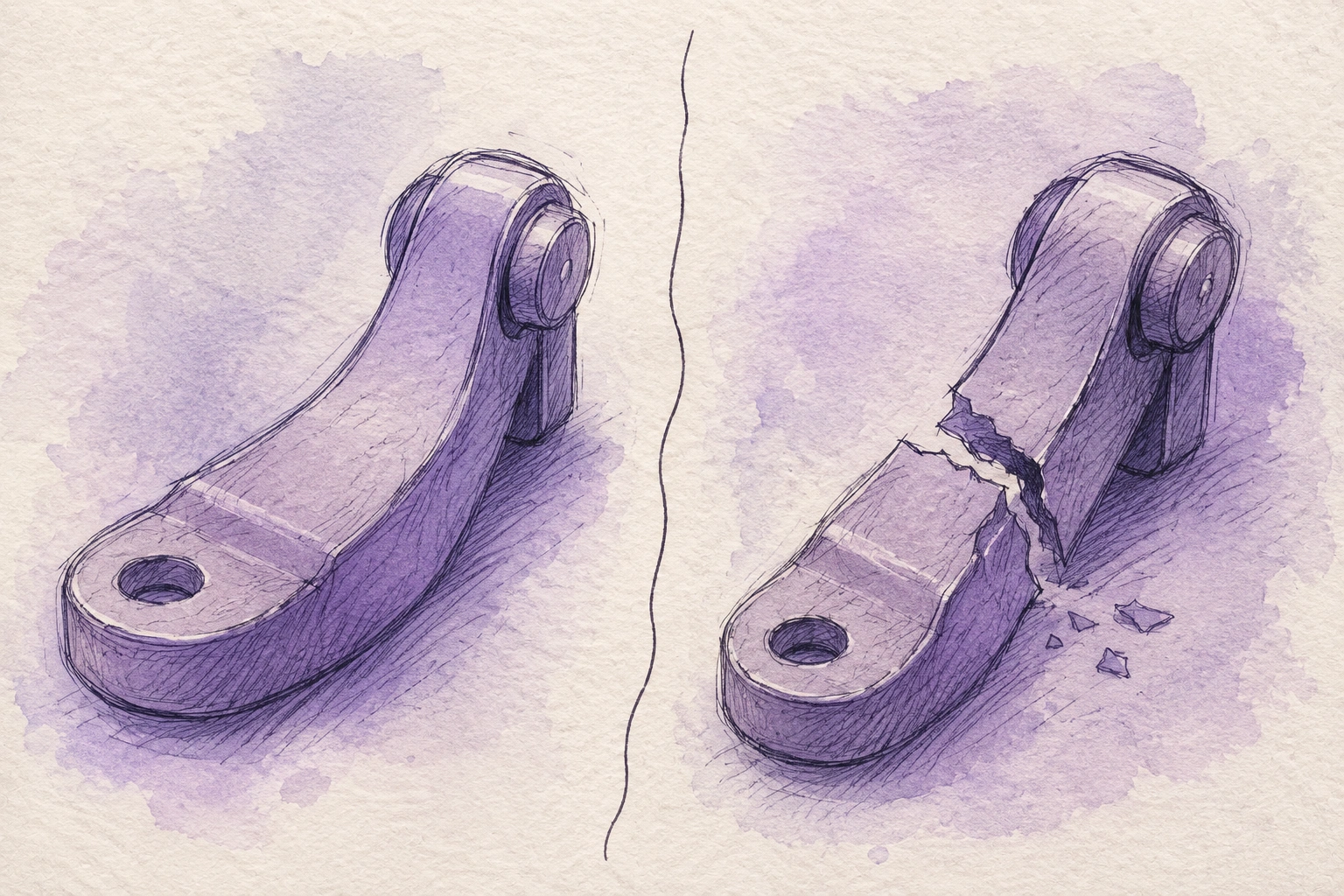
| Evidence | Cosmetic aging, consistent with usage | Photo shows separation, crack, or failure at a joint |
The pattern row is the one brands miss most. A single frayed strap is wear. The same frayed strap on 400 units in six weeks is a defect the brand needs to catch fast, which is where warranty analytics on product quality earns its keep.
How brands should word the exclusion
Vague language creates disputes. "Normal wear and tear is not covered" tells the customer nothing and hands the agent no test to apply. Precise language does two jobs at once: it sets the customer's expectation and it gives the reviewer a rule.
Good exclusion language names the expected lifespan, names the covered fault types, and names the evidence the brand will ask for. A warranty policy template that spells this out cuts denied-claim friction before the claim is even filed. It also keeps the brand consistent with its express warranty promise and any implied warranty that applies by law.
Brands selling into the EU should be careful here. The statutory guarantee runs alongside the commercial warranty, and wording an exclusion too broadly can conflict with consumer law. The European Commission guidance on legal guarantees is the reference point for how far an exclusion can go.
Where evidence settles the argument
The fastest way to end a wear-versus-defect dispute is to decide it on a photo and a purchase date, not on a phone call. A self-service claim intake that captures images, serial numbers, and order details at submission gives the reviewer everything the decision needs in one place.
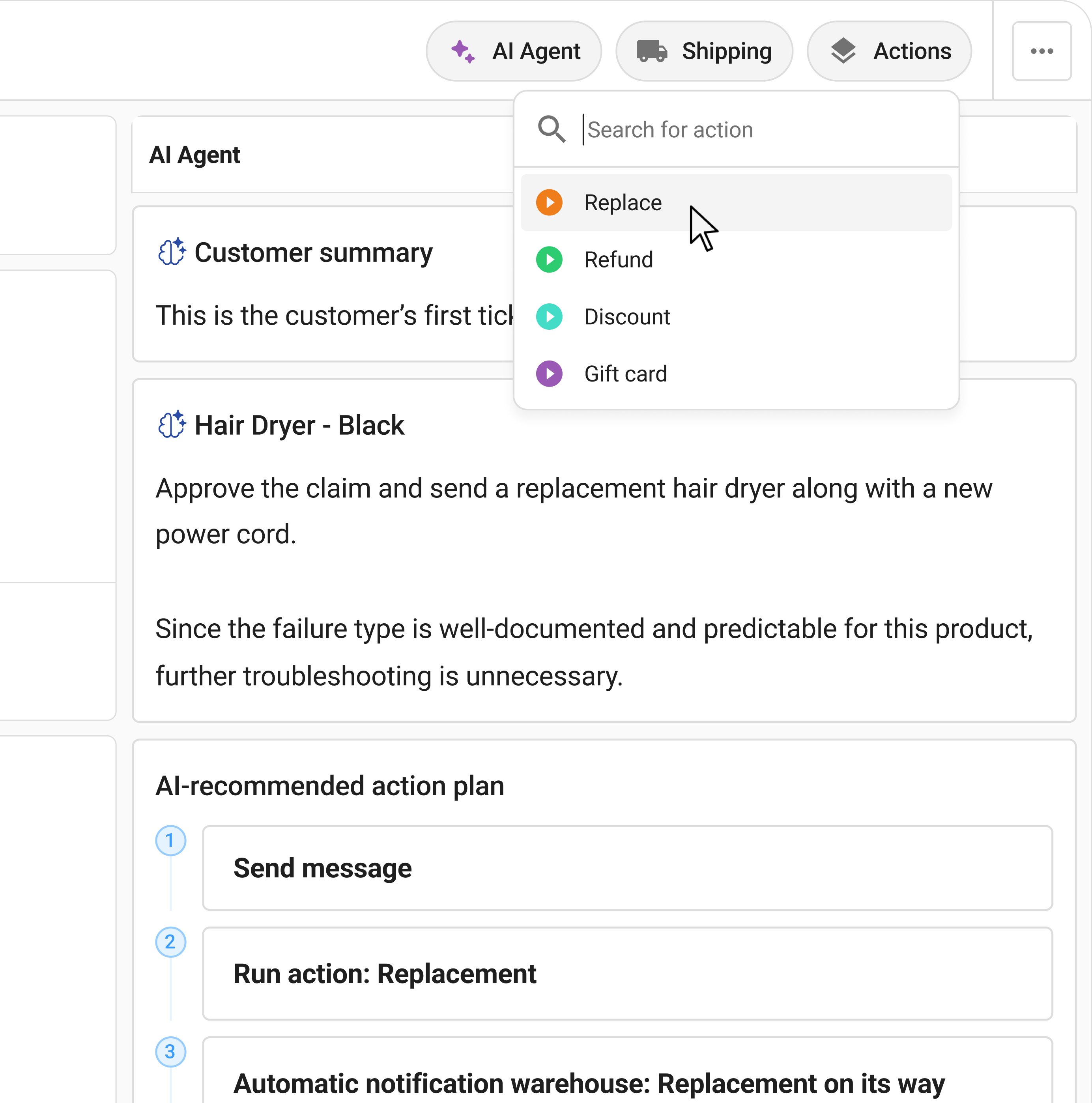
This is also where image review pays back. AI image recognition on warranty claims can flag whether damage sits at a stress point, which suggests a defect, or spreads evenly, which suggests age. Claimlane's AI Agent, the first AI agent purpose-built for warranty claims and returns, reviews that evidence against the brand's rules and recommends a resolution, with a human keeping the call on higher-value cases. More on that logic sits on the product AI page.
The finance angle brands forget
Every wrongly approved wear claim is margin the brand gave away. Every wrongly denied one is a customer the brand may lose. Both are measurable, and both roll up to the same place.
When a fault turns out to be a real defect tied to a supplier, the brand should not eat the cost. Recovering it is the difference between warranty as a pure expense and warranty as a managed line. Brands using structured supplier recovery commonly claw back a meaningful share of defect cost, and positioning data puts recovered supplier credit around 30% of defect cost when the process is consistent. Claimlane's forward-to-supplier flow is built to route that evidence straight to the supplier.
This matters most for warranty-heavy brands with repairs and spare parts, in electronics, furniture, and outdoor gear, where a single wrong call repeats across thousands of claims a year.
When wear and tear should still get a resolution
A claim being wear and tear does not mean the conversation ends. It means the free-replacement path closes and a paid path can open. A worn part is a spare-parts sale or a paid repair, not a dead end. Brands that treat repair versus replace as a revenue decision keep the customer and recover some cost. The mechanics of that sit in warranty management best practices and in how brands set an optimal warranty period in the first place.
Furniture is the clearest example, where a worn joint is often a furniture returns and repair case that ends in a part swap rather than a refund. Sebra runs nursery-product claims through Claimlane on the same principle, resolving rather than defaulting to refunds, shown in the Sebra case study.
Claimlane holds a 4.8/5 rating on G2, and consistent wear-and-tear handling is a large part of why review teams stop dreading these claims.
Frequently asked questions
Is wear and tear ever covered under a product warranty?
Standard warranties cover faults in materials and workmanship, not deterioration from ordinary use. A wear part is only covered when it fails early, well inside its expected lifespan, which points to a defect rather than age.
How do brands prove something is wear and tear rather than a defect?
Timing, pattern, and evidence. Product age against expected lifespan, whether the same fault appears across many units, and photos showing where the failure sits. Captured serial numbers and images at intake make the call defensible.
Should a wear-and-tear claim be rejected outright?
No. Closing the free-replacement path can open a paid repair or a spare-parts sale. That keeps the customer and recovers cost instead of ending in a flat denial.
Does EU consumer law limit wear-and-tear exclusions?
Yes. The statutory legal guarantee runs alongside a commercial warranty, so an exclusion worded too broadly can conflict with consumer rights. Exclusion language should be specific and align with the legal guarantee.
Draw the line once, apply it everywhere
The brands that win on this topic stop debating each claim and instead set one rule, capture the evidence, and let the rule run. That is what turns wear and tear from a daily argument into a settled part of the warranty claims process.
A quick way to see where a brand stands is the free warranty process benchmark. It shows how much of the wear-versus-defect decision is still riding on individual judgment, and how much could be running on consistent rules instead.