Search breach of warranty and the whole first page is a law lesson. Definition, express versus implied, breach of warranty versus breach of contract, remedies, how to prove it. Useful if the reader is about to file a claim. Almost useless if the reader is the brand about to receive one.
By the time a breach of warranty is a legal question, the brand has already lost the cheap way to fix it. A breach claim that reaches the point of citing statutes and damages is a claim that a faster, clearer response could have settled weeks earlier for a fraction of the cost and none of the reputational drag.
So the useful framing for a brand is the opposite of the SERP. A breach-of-warranty claim is an operations signal, not a courtroom one. This is written for warranty-heavy brands with repairs and spare parts, and for omnichannel retailers with dealer networks who carry both consumer and B2B exposure.
What breach of warranty means
The promise can be written into the terms or automatic under law. An express warranty is what the brand actually stated. An implied warranty is the baseline the law adds on top, that goods are fit to be sold and used for their normal purpose. The express warranty explained guide and implied warranty in ecommerce cover both in full, and warranty vs guarantee sorts out a distinction customers often blur into the same complaint.
Why a breach claim is an operations problem, not a legal one
The law sets the floor. The process decides whether anyone ever tests it. Most customers who use the word breach are not planning to sue, they are telling the brand that a promise was not kept and the response so far has not fixed it.
A customer who feels heard rarely reaches for the word breach. Escalation almost always follows friction, a slow reply, a request for evidence the customer already sent, a denial that reads as a dodge. Each of those is an operations choice, not a legal one. A claim resolved at first contact costs the brand a fraction of one that bounces through three agents and a complaint, and the why the warranty claim process builds customer loyalty piece and how to improve the warranty claim rate guide both show how much of that cost is process rather than product.
Express vs implied breach, and where each comes from
A brand can breach either kind of warranty, and the two behave differently in a claim. An express breach is easier to argue because the promise is written down. An implied breach is broader, because it applies even when the brand said nothing specific.
The practical lesson is that vague or overreaching express promises create breach exposure the brand did not need. Terms that state cover clearly, with the exclusions named, are easier to stand behind. The warranty policy template shows how to write that, and what voids a product warranty covers the exclusions that decide whether a claim is a real breach or an out-of-scope request.
What actually triggers breach-of-warranty claims
Most breach claims trace to a short list of operational causes. A genuine manufacturing defect the brand is slow to accept. A denial the customer sees as unfair. Terms so unclear that both sides read them differently. Evidence lost between channels so the customer has to prove the same fault twice.
None of those is really about the law. They are about how the claim was handled. The manufacturing defect explained guide covers the first, and warranty claim denied covers how a poorly explained denial is the single most common path from claim to dispute. For brands selling into the EU, GPSR and EU law on warranty claims and EU right to repair raise the baseline a brand is held to before any express promise even applies.
The brand response that keeps a claim out of dispute
The response that settles a breach claim is boring on purpose. Acknowledge fast, collect the evidence once, decide against clear rules, and explain the decision in plain terms. Speed and consistency do most of the work.
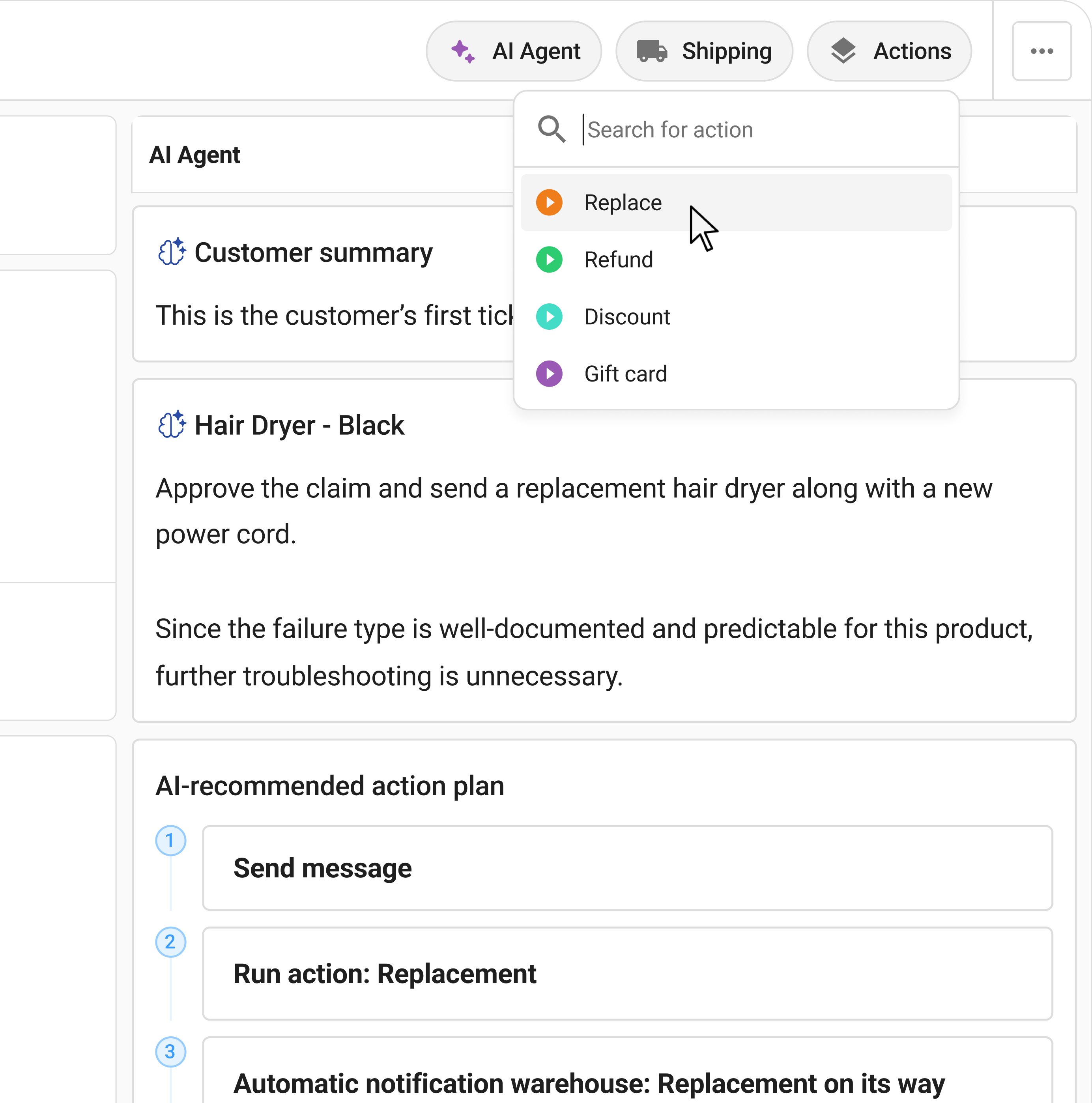
This is also where a specialist system earns its place. Simple size-and-fit returns run fine on a generic returns app. A fault claim with photos, a serial number, a warranty term, and a possible supplier liability is a different problem, and it is the one Claimlane is built for. The warranty SLA management guide covers setting response times that hold, and proof of purchase for warranty covers capturing the evidence that decides the claim.
Reducing breach exposure before it starts
The cheapest breach claim is the one that never forms. That comes from two things, promises the brand can actually keep and a process that catches faults early.
Clear terms with named exclusions cut the gap between what the customer expected and what the warranty covers. Fault analytics catch a defect pattern before it becomes a wave of claims. The warranty analytics for product quality guide covers spotting a defect trend early, and where the defect traces to a supplier, forward to supplier moves the liability and the cost to the party that caused it rather than the brand absorbing a breach it did not create.
Handling a valid breach claim fast
When a breach is real, the goal shifts from defending to resolving well. A brand that accepts a genuine fault quickly and makes the repair, replacement, or refund easy usually keeps the customer, and often turns a complaint into a repeat purchase.
That depends on a claim flow built for faults, not just returns. Rules decide the outcome per product and term, the portal captures evidence once, and the resolution runs without three handoffs. Claimlane's workflow engine holds the rules per product and supplier, the self-service portal captures the fault, photos, and proof of purchase in one submission, and analytics shows where breach-prone claims concentrate. Brands carrying heavy fault-claim volume can see the warranty management software overview and the warranty management process guide.
Claimlane holds a 4.8/5 rating on G2.
FAQ
See how a fault claim runs end to end without three handoffs. A live walkthrough shows how rules, evidence capture, and supplier routing settle a breach claim before it becomes a dispute. Book a demo to see it on your own products.