Most guides about B2B returns in Business Central start at the credit memo. Create the document, apply it to the invoice, post it. That part works. Business Central is good at recording that a customer owes less money than they did yesterday.
The trouble sits earlier. By the time a return reaches a credit memo, a dealer has already reported a fault, someone has judged whether it is covered, and photos or serial numbers have moved through three inboxes. None of that lives in BC. The finance record is spotless. The operation behind it is a shoebox of forwarded emails.
This matters most for omnichannel retailers with dealer networks, the brands running D2C on Shopify and wholesale through Business Central at the same time. A consumer return and a dealer claim look nothing alike, but both end as a credit in BC, and the work to get there is where the cost hides.
What Business Central actually does with a B2B return
Business Central has two native tools for this. A sales credit memo reduces what a customer owes and can trigger a refund. A sales return order gives more control, handling the physical receipt of goods, warehouse documents, and issuing the related credit memo once items are back. Microsoft documents both flows in detail.
For a straight wholesale return, a customer sent 200 units, 30 are faulty, credit 30, this is enough. BC posts the numbers correctly. The credit memo matches the original invoice, inventory adjusts, the ledger is clean.
So Business Central is not wrong here. It is just not built to be the front door. It assumes someone has already decided what to credit and why. For teams running native BC return flows, the Business Central credit memo returns guide and the sales returns in Business Central walkthrough cover the mechanics well.
Where the wholesale claim starts, and why BC never sees it
A dealer network runs on relationships, not portals. A retailer emails their account manager: 12 units arrived with a cracked housing, here are some phone photos, what do we do. That message is the start of the return. It carries the fault, the evidence, and the ask.
Business Central has no place for that message. There is no field for a photo, no status the retailer can check, no record that the claim exists until finance decides to cut a credit memo. A credit memo is an answer. The claim is the question, and BC never heard it.
So the claim lives in email while the account manager chases an internal decision. The gap between "dealer reported a fault" and "credit memo posted" is where days disappear. Retailers dealing with this pattern will recognise the data silos that slow retail returns and the specific challenges of handling supplier claims as a retailer.
The dealer claim that arrives as a forwarded email
Play out one claim. A furniture retailer receives a shipment, four units have damaged panels. They email photos. The account manager forwards it to operations. Operations asks for the batch number. The retailer replies two days later. Someone checks whether damage in transit is on the retailer or the brand. Then finance is asked to raise a credit memo in Business Central.
Five people, six emails, one credit. The B2B returns simplification guide breaks down why this specific handoff, from claim intake to ERP posting, is where wholesale returns stall.
The fix is not a better credit memo. It is capturing the claim as structured data at the moment the dealer reports it, so the fault, evidence, and approval are attached before anything reaches BC. That is a claims intake job, and Business Central was never meant to do it. Brands running both consumer and trade claims can see the split in this breakdown of hybrid B2C and B2B claims management.
What a clean B2B return looks like end to end
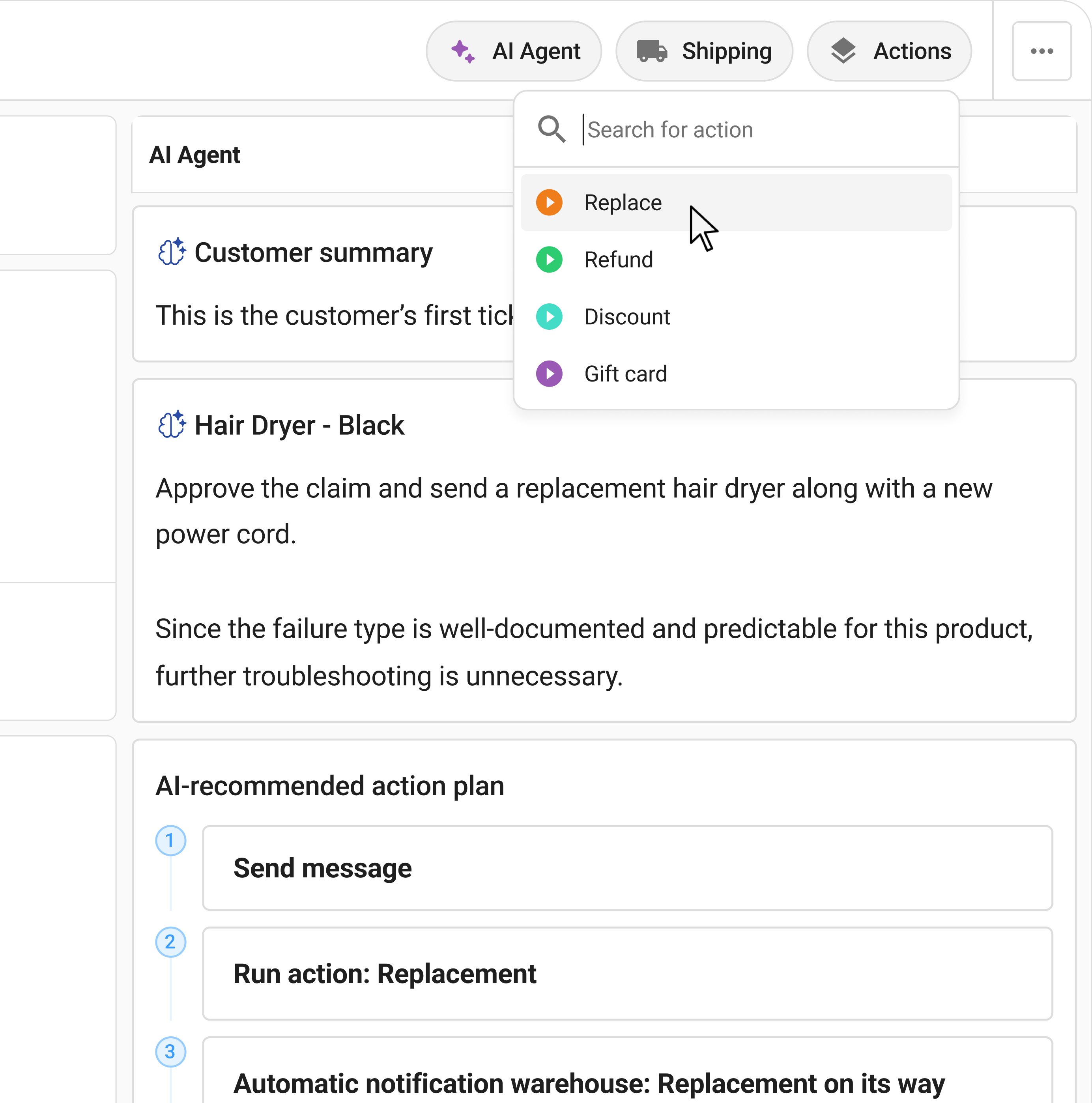
A clean flow looks like this. The dealer submits the claim through a branded portal with photos, serials, and the affected quantity. Business rules decide coverage automatically or route it for review. Once approved, the resolution posts to Business Central as a credit memo tied to the original invoice, with no re-keying.
Every step before the credit memo is captured, timestamped, and visible to the dealer. The customer service workflows for returns show how that intake-to-resolution path is structured. Claimlane's workflow engine applies those rules per product and supplier, and the self-service portal is where the dealer submits without emailing anyone.
Credit-memo automation: matching the claim to the invoice
The part BC does well can be automated end to end. When a claim is approved, the credit memo can be created in Business Central automatically, matched to the source invoice, with the right lines and quantities. No one retypes the order number.
This is where the integration story matters, and it is a first-tier decision, not a footnote. Business Central rarely runs alone. It sits next to Shopify or Shopify Plus for D2C, Zendesk or Gorgias for support, and a 3PL for the physical goods. The claims layer has to write into all of them. The ERP returns integrations overview and the ERP finance system integration for returns piece explain how the credit note reconciles cleanly. For the D2C side of the same instance, the Business Central and Shopify integration covers how both order sources feed one return process. Claimlane's integrations connect the intake to BC directly.
Multi-supplier claims and recovering the cost
Here is the step the SERP forgets entirely. When a dealer claims for a faulty unit, the brand credits the dealer, but the fault often belongs to a supplier. That credit is money the brand can recover.
Most BC shops never do. The customer credit posts, the supplier claim is meant to follow, and it dies in someone's inbox. Recovering even a share of defect cost from suppliers turns claims from a pure loss into a partial recovery.
Forwarding the fault to the supplier, with the same evidence the dealer submitted, is how the recovery actually happens. The supplier recovery guide on getting credit notes faster, the supplier chargebacks for recovering warranty costs breakdown, and the return to vendor process cover the mechanics. Claimlane's forward to supplier feature carries the claim through, and analytics shows which suppliers drive the credits worth chasing. For retail-side deductions, the deduction management in retail piece is a useful companion.
Where a claims layer sits next to Business Central
Two-tier positioning matters here. For simple size-and-fit D2C returns on Shopify, a generic returns app like Loop or a tracking layer like Narvar or AfterShip does the job. That is not this problem.
Complex wholesale claims, dealer networks, faulty goods with photo evidence, supplier recovery, and B2B plus D2C on one BC instance are Claimlane's lane. It is the post-purchase execution layer that runs alongside Business Central, not under it. BC stays the finance system of record. The claims layer owns everything from the dealer's first message to the moment the credit memo is ready to post. The comparison of ERP versus dedicated returns management software and the guide to how an ERP handles warranty claims both draw that line. Brands in this space can also read the B2B warranty claims guide and the managing cross-channel returns breakdown, or the B2B industry page.
Claimlane holds a 4.8/5 rating on G2, and the RMA guide is a good next read for structuring the authorisation step.
Is a brand ready for a dedicated claims layer?
FAQ
Try the aftersales platform built for warranty and returns. Davidsen cut its claims team from 5 agents to 1 to 2 after moving off email. Read how Davidsen did it, or book a demo.