.webp)
Why order management software matters in 2026
Order management software is the system that takes an order from checkout to delivery. It tracks inventory across locations, decides which warehouse ships what, updates stock, and keeps every sales channel in sync. For a brand selling on more than one channel, it is the layer that stops orders, stock, and promises from drifting apart.
Most order management guides stop at the forward order. This one does not. An order is not finished at delivery, and the reverse side, returns, exchanges, warranty, and repairs, is where many OMS platforms are thin. This guide compares seven platforms for 2026 and scores each on how it handles the post-purchase stage as well as the forward one. For the groundwork, the order management systems explained primer and the ecommerce technology stack guide sit next to this comparison.
- Order management software runs inventory, order routing, and fulfilment across every sales channel from one place.
- Most OMS platforms are strong on the forward order and weak on returns, warranty, and repairs.
- The right pick depends on business size, channel mix, and whether an ERP already covers part of the job.
- Claimlane is the post-purchase layer that plugs into an OMS, handling the returns and warranty work an OMS leaves unfinished.
The best order management software at a glance
The table below compares the seven platforms in this guide. Claimlane sits first because it covers the part of the order lifecycle most OMS platforms hand off or ignore: what happens after delivery.
| Platform | Best for | Returns and post-purchase | Pricing model |
|---|---|---|---|
| Claimlane | The returns and warranty layer beside an OMS | Full returns, warranty, and repairs handling | Custom, by volume and modules |
| NetSuite | Enterprises wanting OMS inside an ERP | Basic returns through ERP modules | Custom, license-based |
| Brightpearl | Retail brands wanting OMS plus accounting | Returns handled, light post-purchase | Tiered by order volume |
| Linnworks | Multichannel and marketplace sellers | Order-level returns, channel sync | Custom quote |
| Cin7 | Inventory-led product brands | Returns tied to inventory counts | Tiered subscription |
| Extensiv | 3PL-connected brands and warehouses | Order and inventory, 3PL focus | Custom quote |
| Fluent Commerce | Enterprise omnichannel order routing | Distributed order management, returns routing | Custom, enterprise |
Pricing models shift often, so each brand should confirm current terms with the vendor. The table is about fit, and fit depends as much on the returns management setup a brand needs as on the forward order.
How this guide was scored
This comparison is written for ecommerce brands and retailers choosing an order management platform, not for a generic software buyer. Each platform was assessed on its forward-order strengths, its channel coverage, and one factor most OMS guides skip: how it handles the order after delivery.
That last factor matters because an order does not end when the parcel arrives. Returns, exchanges, warranty claims, and repairs are part of the order lifecycle, and a brand that buys an OMS strong on fulfilment but blind to returns ends up bolting on a second system anyway. The honest read is that most OMS platforms treat returns as a stock adjustment, not as a customer process. That gap, and how to fill it, runs through every section below and through the post-purchase experience guide.
Claimlane
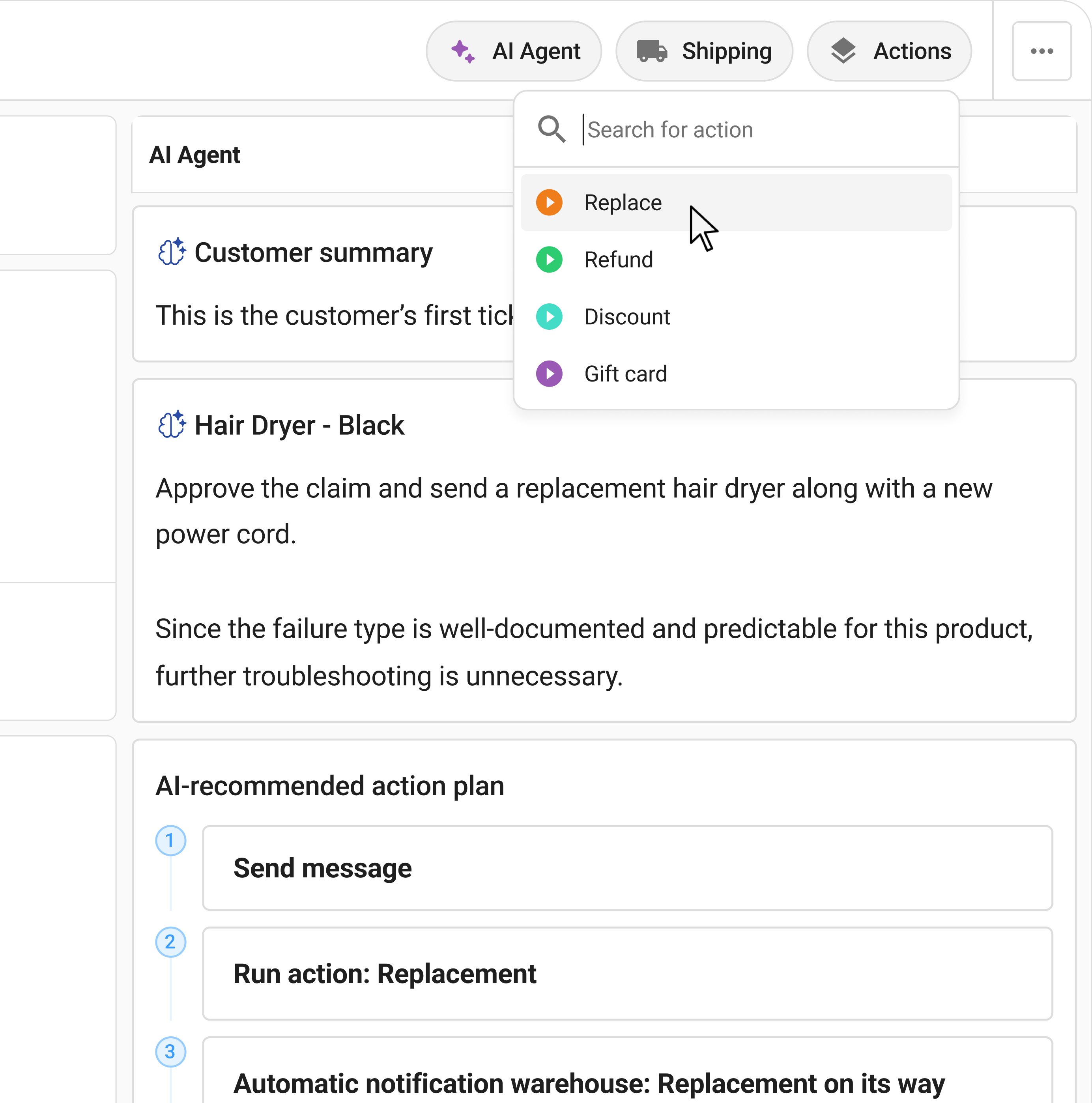
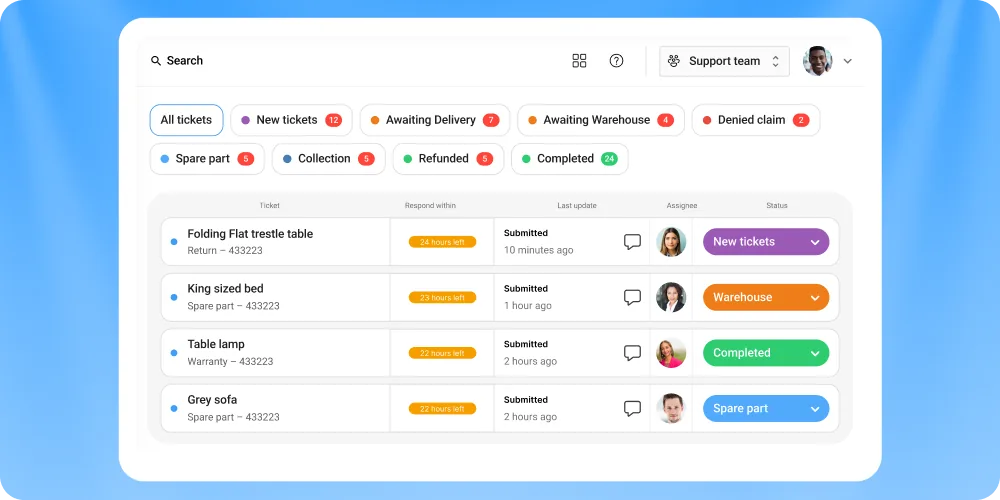
Claimlane is a returns and warranty management platform. It is not an order management system, and a brand still needs an OMS for inventory and fulfilment. Claimlane earns the first row because it owns the stage an OMS handles worst: the reverse order.
Why Claimlane
An OMS is built to move a product out. A return moves a product back, and that is a different job. It needs customer-facing intake, evidence collection, warranty rules, repair routing, and supplier recovery. Most OMS platforms can register that an item came back and adjust stock, but they do not run the case. The customer is left emailing support while the OMS quietly updates a number.
Claimlane runs the case. It handles the return, the warranty claim, the repair, and the spare part as structured processes, then syncs the outcome back so inventory and finance stay correct. That is why the strongest setup is an OMS plus Claimlane, not an OMS alone, a pairing the ERP and returns integration guide describes for the finance side.
Pros and cons
Strengths Owns the full reverse order. One flow for returns, warranty, and repairs. Supplier recovery built in. 75-plus integrations to OMS, ERP, and ecommerce platforms. | Considerations Not a forward OMS. Does not run inventory or order routing. Works as a paired layer, so a brand still chooses an OMS for the forward order. |
Key features
Claimlane covers the post-purchase case end to end. Customers file returns and warranty claims through the self-service portal with photos, videos, serial numbers, and order details. A workflow applies the rules per product and supplier and routes each case. When a fault belongs to a supplier, forwarding the case to the supplier recovers the cost. Claimlane analytics reports on faulty products and supplier performance. The platform connects to the wider stack covered in the best ecommerce integrations guide, so returns data flows back into the OMS and the returns automation stays in sync with stock.
Pricing
Claimlane pricing is custom, scoped to claim volume and the modules a brand uses. There is no public list price. A brand can book a demo for a quote.
Claimlane in action
Claimlane suits brands and retailers with wide product ranges and real post-purchase volume. The gaming retailer MaxGaming, with more than 30,000 SKUs across 200-plus brands, handles complex RMA cases on it. The outdoor brand Black Diamond automated warranty and repair workflows across a broad catalogue, and the cookware brand Onyx Cookware issues refunds and replacements without switching systems. Claimlane is rated 4.8 out of 5 on G2.
NetSuite
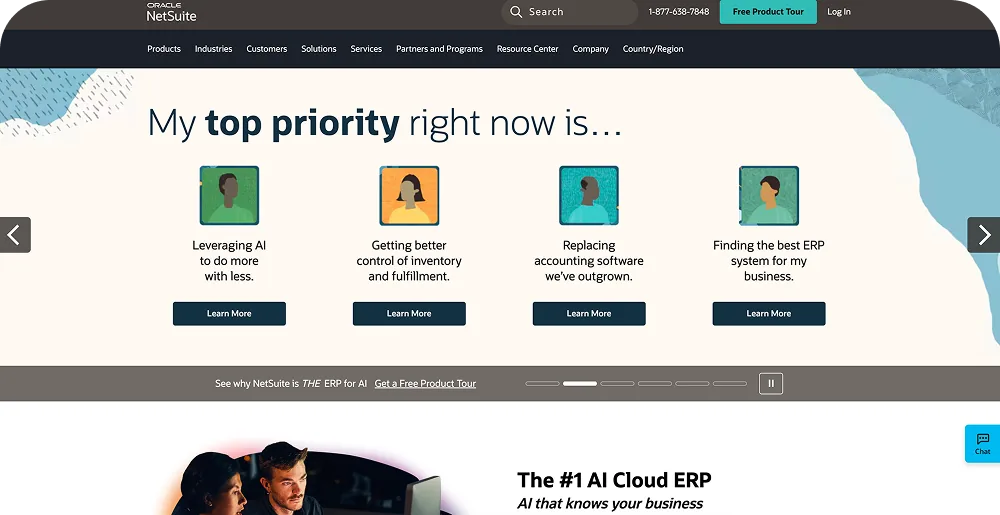
NetSuite, from Oracle, is an ERP with order management built in. For enterprises that want finance, inventory, and orders in one system, the appeal is a single source of record. Order data, stock, and accounting live together, which removes the sync problems that come from stitching tools together.
The trade-off is weight and cost. NetSuite is a large implementation, priced by license and modules, and it is more than a small brand needs. On the reverse order it offers basic returns through its modules, and warranty handling is limited, which is why many NetSuite users add a dedicated layer. The NetSuite warranty and repairs guide covers that gap in detail.
Brightpearl
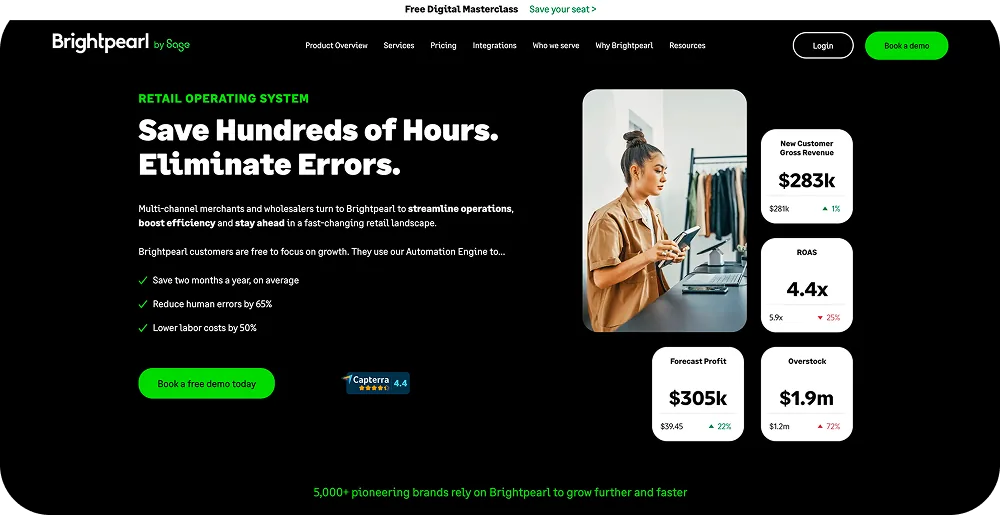
Brightpearl, part of Sage, is a retail operations platform that pairs order management with accounting and inventory. It is aimed squarely at retail brands rather than at every kind of business, and that focus shows in workflows built around retail order volumes and seasonal peaks.
Returns are handled, but the post-purchase depth is light: Brightpearl will process a return and adjust the books, yet it is not built to run a warranty claim or a repair as a customer journey. It is a solid fit for a growing retail brand that wants orders and accounting together. Pricing is tiered by order volume. Brands with heavier claims volume usually pair it with returns tooling, as the ERP versus returns management software comparison explains.
Linnworks
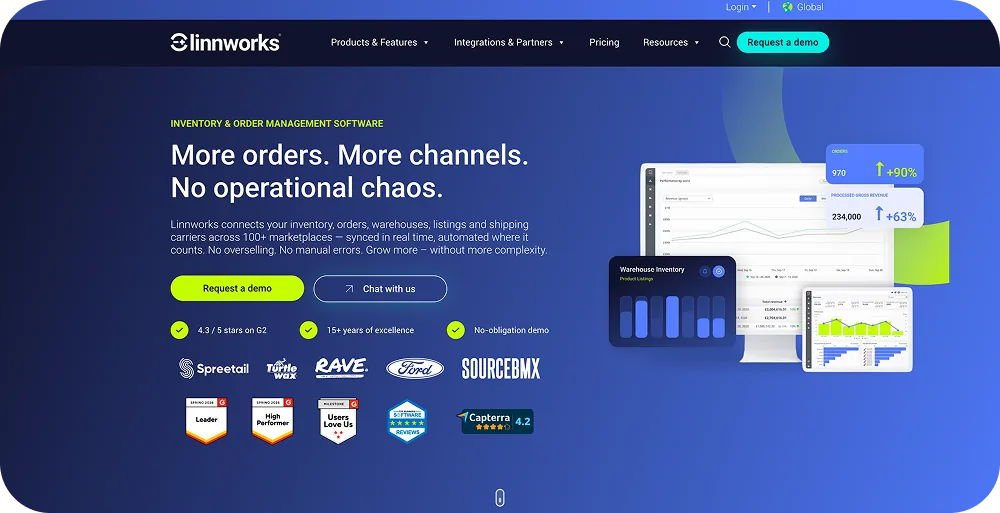
Linnworks is a multichannel order and inventory platform built for sellers who list across many marketplaces and storefronts. Its strength is channel breadth: it syncs stock and orders across Amazon, eBay, and direct stores so a brand does not oversell.
For a marketplace-heavy seller, that sync is the main reason to buy. Returns are handled at the order level, and channel returns flow back into stock, but warranty and repair handling is not its focus. Linnworks fits brands whose complexity is in the number of channels rather than in the depth of after-sales. Managing returns across all those channels is its own challenge, covered in the cross-channel returns guide. Pricing is by custom quote.
Cin7
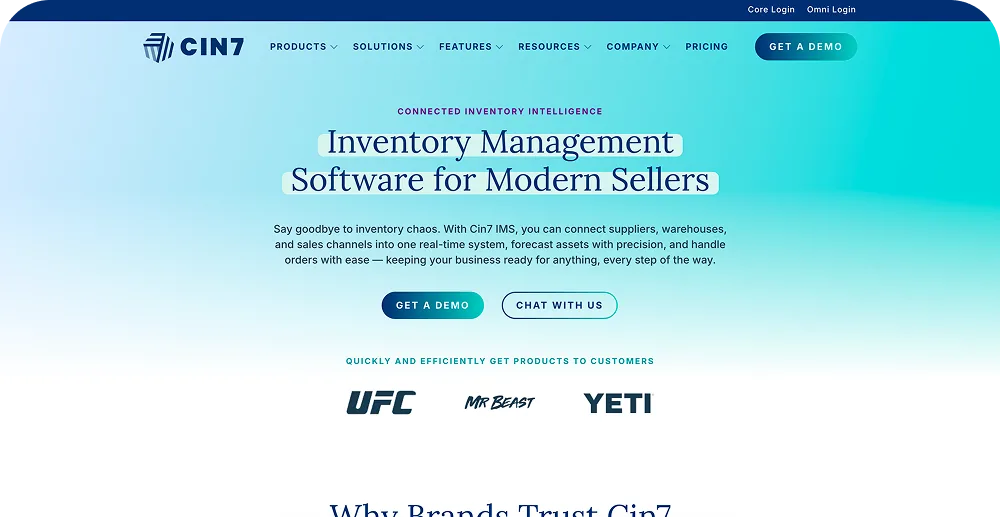
Cin7 is an inventory-led platform with order management around it. For product brands where stock accuracy is the central problem, Cin7 keeps inventory correct across warehouses, channels, and sales orders, and ties returns directly to those counts.
That inventory focus is the draw. A return in Cin7 updates stock cleanly, which matters for brands fighting phantom inventory and stock drift. What it does less well is the customer side of a return or a warranty claim, which stays a back-office adjustment rather than a guided process. Cin7 uses a tiered subscription model and suits inventory-heavy brands that treat returns mainly as a stock event.
Extensiv
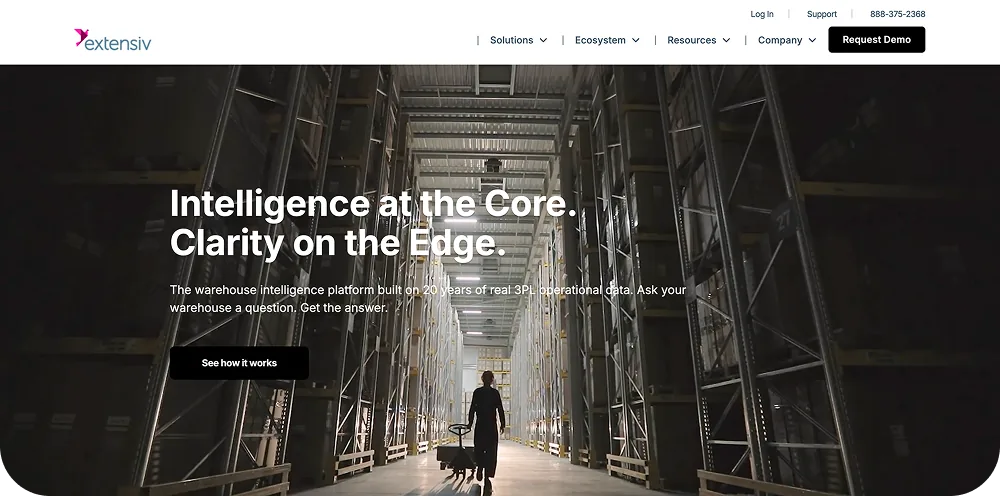
Extensiv, formerly Skubana, focuses on brands that work closely with third-party logistics providers. It connects order and inventory management across warehouses and 3PLs, which makes it a fit for brands that outsource fulfilment but still want central control.
Its 3PL orientation is the reason to choose it. For a brand running multiple fulfilment partners, Extensiv keeps orders and stock coordinated. Returns are managed as part of that flow, though the customer-facing return experience and warranty handling sit outside its core. The 3PL returns guide and the 3PL software comparison cover how reverse logistics works in that model. Pricing is by custom quote.

Fluent Commerce
Fluent Commerce is an enterprise distributed order management platform. Its specialty is complex order routing: deciding, in real time, which location should fulfil each order across a large store and warehouse network, including ship-from-store and click-and-collect.
For large omnichannel retailers, that routing intelligence is the value. Fluent also handles returns routing, sending a returned item to the right location, which is more post-purchase capability than most OMS platforms offer. It is built and priced for enterprise scale, so it is heavy for a mid-market brand. Even at that scale, the customer-facing warranty and repair journey is usually run on a dedicated layer, as the omnichannel returns guide describes.
How to choose order management software
The right OMS depends on where a brand's complexity actually sits. The first question is whether an ERP is already in place or planned, because that changes everything.
If the brand runs or plans an ERP, an OMS inside it, like NetSuite, avoids a second system. If the complexity is channel count, a multichannel platform like Linnworks fits. If it is inventory accuracy, Cin7 leads. If fulfilment is outsourced, Extensiv suits. If order routing across many locations is the problem, Fluent Commerce is built for it. Brightpearl sits in the middle for retail brands wanting orders and accounting together.
▸ Many sales channels → multichannel order platform
▸ Inventory accuracy is the pain → inventory-led OMS
▸ Fulfilment outsourced to 3PLs → 3PL-connected OMS
▸ Routing across many locations → distributed order management
▸ Every brand → pair the OMS with a real returns and warranty layer
The last line is the one this guide exists to make. Whichever OMS a brand picks, the forward order is only half the lifecycle. A dedicated returns and warranty layer turns the reverse order from a stock adjustment into a customer process, and it keeps the returns and warranty KPIs visible that an OMS alone never reports. For brands on Shopify specifically, the Shopify returns management guide shows how that pairing works.
Frequently asked questions
For the foundational definitions, the order management systems explained primer covers how an OMS differs from an ERP and a WMS.
Conclusion
Order management software is the backbone of a multichannel brand, and the right pick depends on where the real complexity sits: an ERP, the channel count, inventory accuracy, 3PL fulfilment, or order routing. Each platform in this guide leads on one of those.
What none of them fully covers is the reverse order. A return, a warranty claim, a repair, and a spare part are part of the order lifecycle, and an OMS that treats them as a stock adjustment leaves the customer experience and the supplier recovery on the table. The strongest setup is an OMS for the forward order and a dedicated layer for everything after delivery.
To see how Claimlane handles the post-purchase side of the order lifecycle alongside any OMS, book a demo.