
.webp)
Third-party logistics (3PL) software manages the operational backbone of ecommerce: warehousing, order fulfillment, shipping, and returns. The right 3PL software determines whether orders ship on time, inventory stays accurate, and returns get processed without manual bottlenecks. The wrong choice creates delays, lost inventory, and customer complaints that compound as order volume grows.
This guide covers the leading 3PL software platforms for ecommerce brands in 2026. The focus is how each one handles returns and reverse logistics. That is where most 3PL tools fall short, and where bad execution costs the most.
TL;DR
- 3PL software handles warehousing, fulfillment, shipping, and returns for ecommerce brands.
- Most platforms are strong on forward logistics but weak on reverse logistics (returns, warranty claims, refunds).
- The best approach pairs 3PL fulfillment software with a dedicated returns and warranty platform like Claimlane.
- ShipBob, ShipHero, Extensiv, and Logiwa lead for warehouse management. Claimlane leads for returns and warranty automation.
- • 3PL software handles warehousing, fulfillment, shipping, and returns for ecommerce brands.
- • Most platforms are strong on forward logistics but weak on reverse logistics.
- • The best approach pairs 3PL fulfillment with dedicated returns automation like Claimlane.
- • ShipBob, ShipHero, Extensiv, and Logiwa lead for WMS. Claimlane leads for warranty and returns.
What Is 3PL Software?
3PL software is what third-party logistics providers use to run warehouses, inventory, fulfillment, and shipping for ecommerce brands. Brands outsource these operations instead of building their own warehouses. The 3PL provider runs the software. It handles everything from receiving stock to shipping orders to processing returns.
What Does 3PL Mean?
3PL stands for third-party logistics. It refers to outsourcing logistics operations, including warehousing, picking, packing, shipping, and returns, to a dedicated provider. The "third party" is distinct from the brand (first party) and the customer (second party).
What Is 3PL Logistics?
3PL logistics covers the full set of services a third-party provider runs. The core list: inbound receiving, inventory storage, order processing, outbound shipping. Increasingly, it also covers reverse logistics, returns and exchanges. Some 3PLs also handle kitting, assembly, and warranty registration.
Why 3PL Software Matters for Ecommerce Returns
Forward logistics (getting products to customers) gets most of the attention. But reverse logistics (getting products back from customers) is where margins erode and customer relationships break down.
The average ecommerce return rate sits at 20-30%. Each return costs $15-$30 to process. For a brand shipping 10,000 orders per month, that translates to 2,000-3,000 returns and $30,000-$90,000 in processing costs. If the 3PL software can't handle returns efficiently, those costs multiply.
Most 3PL platforms treat returns as an afterthought. They excel at forward fulfillment but offer basic returns processing at best. This creates a gap that dedicated tools like Claimlane fill.
Best 3PL Software Platforms Compared
| Platform | Best For | WMS | Returns | Price |
|---|---|---|---|---|
| ShipBob | DTC, 2-day shipping | Strong | Basic RMA | Custom |
| ShipHero | 3PL operators | Very strong | Returns module | $1,995/mo |
| Extensiv | Multi-client 3PL | Industry-leading | Basic workflow | Custom |
| Logiwa | Cloud WMS | Strong | Returns processing | Custom |
| ShipStation | Multi-carrier shipping | Basic | Labels only | $9.99/mo |
| Claimlane | Returns & warranty | Pairs with 3PL | Purpose-built AI | Custom |
ShipBob: Best for DTC Brands Needing 2-Day Shipping

ShipBob operates a network of fulfillment centers across the US, making 2-day ground shipping accessible to DTC brands. The platform handles inventory distribution, order routing, and multi-warehouse management. Since acquiring Deliverr, ShipBob also offers marketplace fulfillment for Amazon, Walmart, and eBay sellers.
Strengths: Geographic distribution for fast shipping, marketplace integrations, analytics dashboard, reasonable pricing for mid-volume brands.
Weaknesses: Returns processing is basic. ShipBob receives returned items and restocks them. It does not handle warranty claims, defect assessment, or supplier forwarding. Brands with complex return policies need extra tools. Brands with complex return policies need extra tools.

ShipHero: Best for 3PL Operators and High-Volume Fulfillment
ShipHero offers both a SaaS WMS for brands running their own warehouses and a full 3PL fulfillment service. The software handles picking, packing, shipping, and returns with a focus on speed and accuracy.
Strengths: Robust WMS with barcode scanning, batch picking, and multi-location support. Returns management module for processing inbound returns and updating inventory.
Weaknesses: Returns module focuses on physical receiving and restocking, not on the customer-facing decision layer. No AI-powered claim assessment or warranty rule enforcement.
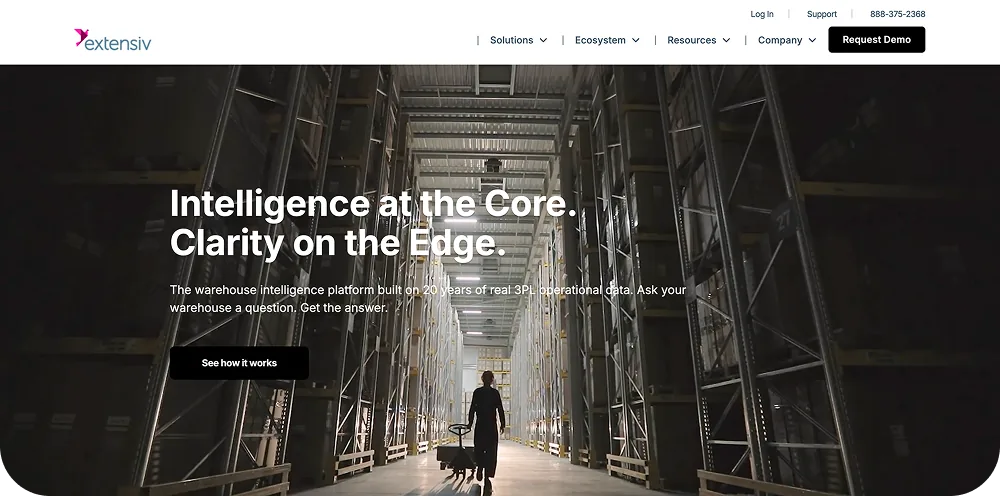
Extensiv (3PL Warehouse Manager): Best for Multi-Client 3PL Operations
Extensiv's 3PL Warehouse Manager is the industry standard for 3PL providers managing multiple client brands from a single warehouse. The platform handles client-specific workflows, billing, and reporting.
Strengths: Multi-client architecture, automated billing, integration with 100+ ecommerce platforms and shopping carts, enterprise-grade inventory management.
Weaknesses: Returns workflows are basic. The platform processes returned items at the warehouse level but doesn't provide customer-facing return initiation, warranty claim assessment, or automated resolution.
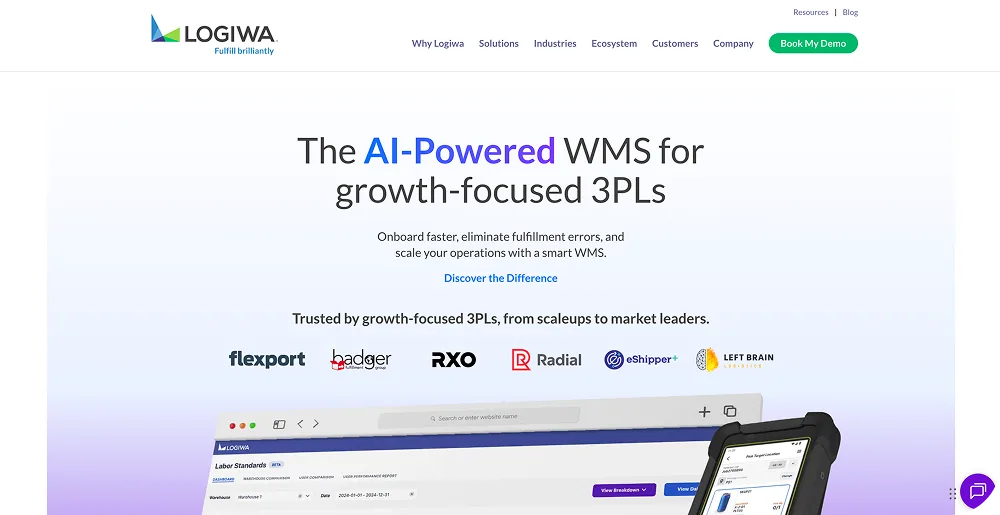
Logiwa: Best for Automation-First Cloud WMS
Logiwa is a cloud-native WMS built for high-volume fulfillment with strong automation capabilities. The platform uses algorithms to improve picking routes, batch processing, and shipping carrier selection.
Strengths: Cloud-native architecture, automation rules engine, real-time inventory tracking, multi-location support, API-first design for integrations.
Weaknesses: Returns handling is operational (receiving, inspecting, restocking) rather than strategic (customer experience, warranty assessment, exchange-first flows).
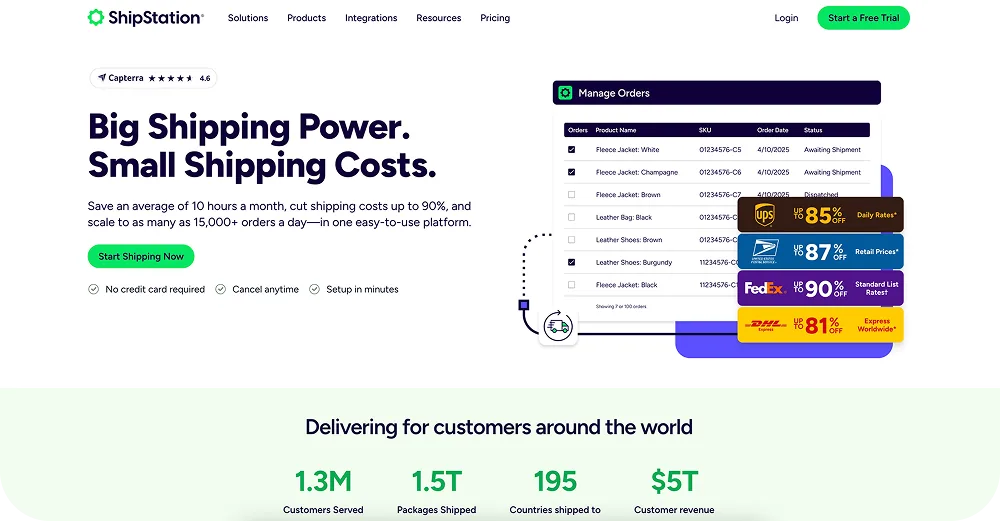
ShipStation: Best for Multi-Carrier Shipping Management
ShipStation focuses on the shipping layer rather than full warehouse management. It aggregates carrier rates, generates labels, and provides tracking across multiple carriers.
Strengths: Carrier rate comparison, batch label printing, branded tracking pages, affordable entry price.
Weaknesses: Limited WMS capabilities. Returns support is limited to generating return shipping labels. No returns processing, warranty assessment, or claim automation.
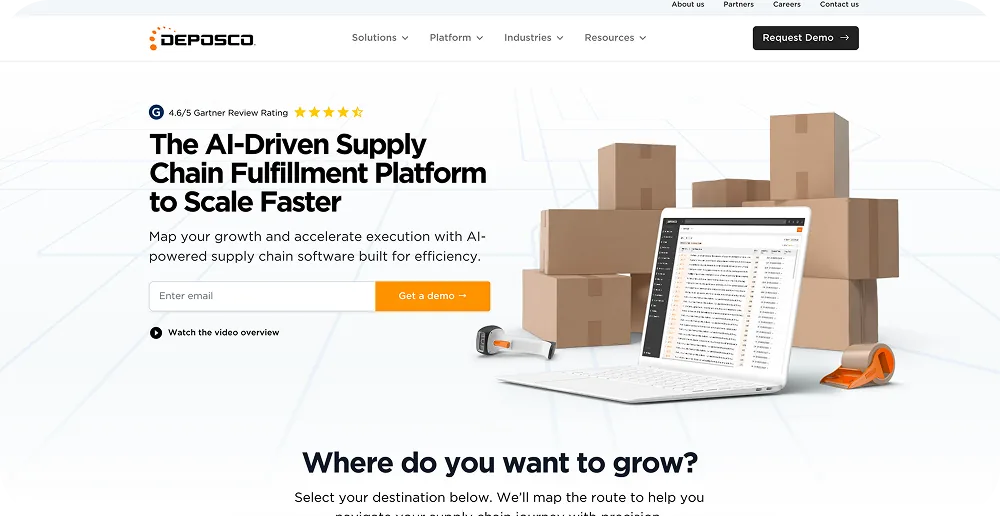
Deposco: Best for Enterprise Supply Chain Operations
Deposco provides enterprise-grade supply chain execution software covering warehouse management, order management, and fulfillment optimization. The platform is built for complex, high-volume operations.
Strengths: Enterprise scalability, advanced order orchestration, omnichannel fulfillment, reverse logistics module.
Weaknesses: Complex implementation, enterprise pricing, reverse logistics module handles physical processing but not customer-facing claim workflows.
Where 3PL Software Falls Short on Returns
Every 3PL platform on this list handles returns at the warehouse level. They receive the item, inspect it, and restock or dispose of it. But none of them handle the full returns experience:
- Customer-facing return initiation through self-service portals
- Warranty claim assessment with AI-powered image analysis
- Rule-based resolution (repair, replace, refund, exchange) per product and supplier
- Automated supplier forwarding for warranty claims that fall under supplier responsibility
- Exchange-first flows that retain revenue instead of defaulting to refunds
- Analytics on return patterns that identify product quality issues
This is why the best ecommerce operations pair 3PL fulfillment software with a dedicated returns and warranty platform.
How Claimlane Complements 3PL Software
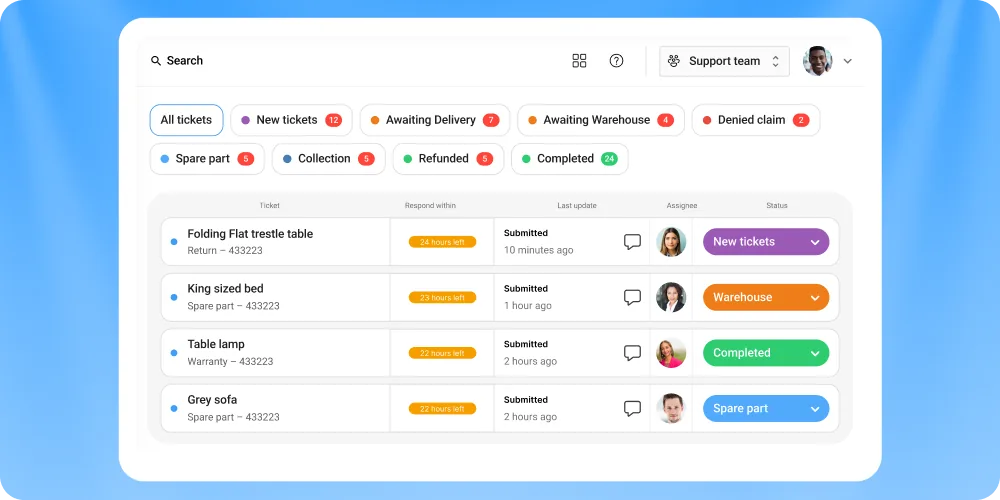
Claimlane is the first AI agent purpose-built for warranty claims and returns. 3PL software handles the physical logistics. Claimlane handles the decision layer:
- Customer submits a claim through Claimlane's self-service portal with photos, order details, and issue description.
- AI analyzes the evidence. Image recognition identifies defect types and assesses damage severity.
- Rules engine determines resolution. The system applies warranty terms, product-specific rules, and supplier agreements.
- Resolution executes. Approved returns trigger label generation in the 3PL system. Exchanges trigger new orders. Supplier claims route to the responsible party.
- Analytics surface patterns. Claimlane's dashboard shows which products generate the most returns, which suppliers have quality issues, and where the return process can be optimized.
Konges Sløjd, a premium children's brand, used Claimlane to automate their warranty and returns workflow across multiple product categories. The integration with their existing logistics stack meant returns were processed faster while maintaining the brand's high customer service standards.
With the integration to Business Central, resolving a claim in Claimlane automatically triggers all the necessary processes in our ERP. This means the customer service agent's work is complete the moment the claim is resolved in Claimlane.
Kasper Andersen · IT Director, Konges Sløjd
How to Choose the Right 3PL Software

By Order Volume
- Under 500 orders/month: ShipStation for shipping management, or a small 3PL partner using ShipBob.
- 500-5,000 orders/month: ShipBob or ShipMonk for outsourced fulfillment. ShipHero if running own warehouse.
- 5,000-50,000 orders/month: Extensiv or Logiwa for WMS. Add Claimlane for returns automation.
- 50,000+ orders/month: Deposco or enterprise WMS. Claimlane for returns and warranty at scale.
By Logistics Model
- Outsourced fulfillment (3PL partner): ShipBob, ShipMonk, or Red Stag. The 3PL provides the software.
- Own warehouse with 3PL software: ShipHero, Extensiv, or Logiwa for WMS.
- Hybrid (own warehouse + 3PL overflow): Extensiv with multi-location support.
By Returns Complexity
- Simple returns (refund or exchange): Most 3PL platforms handle this adequately.
- Warranty claims with product-specific rules: Claimlane is necessary.
- Multi-supplier warranty management: Claimlane with supplier forwarding.
- High return volume (1,000+ returns/month): Dedicated returns automation is essential for cost control.
3PL Fulfillment Costs and Pricing Models
Most 3PL software uses one of these pricing models:
- Per-order fees: $3-$8 per order fulfilled, common for outsourced 3PL services.
- Storage fees: $25-$45 per pallet/month or $0.50-$2.00 per cubic foot.
- Monthly SaaS fee: $500-$5,000/month for WMS software, based on features and volume.
- Pick fees: $0.20-$0.50 per item picked.
- Returns processing fees: $3-$10 per return processed at the warehouse.
Hidden costs to watch for:
- Integration fees for connecting ecommerce platforms
- Minimum volume requirements that lock brands into contracts
- Returns processing upcharges for inspection and grading
- Peak season surcharges during holiday periods
Integration Considerations
The 3PL software must integrate with:
- Ecommerce platforms: Shopify, WooCommerce, BigCommerce, Magento
- Marketplaces: Amazon FBA/FBM, Walmart, eBay
- Returns and warranty tools: Claimlane for automated claim processing
- ERP systems: NetSuite, SAP, Microsoft Dynamics for inventory sync
- Customer service platforms: Zendesk, Gorgias, Freshdesk for ticket management
Claimlane offers 75+ integrations including direct connections with major ecommerce platforms, ERPs, and helpdesks. This means it slots into existing 3PL workflows without requiring custom development.
The Future of 3PL Software
AI-Powered Inventory Optimization
3PL platforms are starting to use AI for demand forecasting and inventory placement. By analyzing sales patterns and seasonal trends, the software suggests optimal inventory distribution across warehouse locations.
Autonomous Returns Processing
The combination of warehouse automation (robotic sorting, automated inspection) with AI-powered decision-making (Claimlane's claim assessment) points toward fully autonomous returns processing where returned items are received, inspected, graded, and routed without human intervention.
Real-Time Supply Chain Visibility
RFID technology was valued at $20.1 billion in 2024. It is projected to reach $47.6 billion by 2030. It gives real-time visibility that barcode scanning cannot match. The same visibility extends to returns: tracking items from customer to warehouse to resale or disposal.