.webp)
Why chargeback management software matters in 2026
A chargeback is a customer disputing a card payment with their bank instead of with the brand. The money is pulled back, a fee is added, and the brand has to fight to get it returned. At scale, chargebacks quietly drain margin and can put a payment account at risk.
Chargeback management software exists to handle that pressure: stopping disputes before they file, catching them through alert networks, and building the evidence to win the ones that do file. Depending on the vendor, this shows up as a chargeback management system, a dispute management platform, or a full chargeback management solution bundling prevention, alerts, and representation together. This guide compares seven platforms for 2026. It also makes a point most chargeback guides skip. Many chargebacks are not fraud at all. They are unresolved returns, slow refunds, and warranty disputes that a customer gave up on, which is why clean post-purchase handling belongs in this conversation. For the wider context, the payment reversals and chargebacks guide and the hidden costs of returns and claims sit next to this one.
How do chargeback management platforms work?
Chargeback management platforms connect to payment providers and ecommerce systems to collect dispute details, order records and supporting evidence. Depending on the platform, they prepare responses, submit them through supported payment connections and track the outcome. Some also offer alerts that help merchants address eligible cases before a chargeback is filed. The evidence needs to address the specific complaint, such as a disputed delivery or refund. Automation reduces manual handling, but the platform doesn’t control the bank’s decision.
The best chargeback management software at a glance
The table below compares seven chargeback management tools and platforms for 2026, spanning fraud prevention, automated representation, and dispute analytics. Claimlane sits in the first row because it works one step upstream of the others, on the service issues that turn into disputes. Whether you're evaluating a dedicated chargeback management service or building a broader dispute management system, the fit depends on what's actually driving your chargeback volume.
Pricing models above are general and change often, so each brand should confirm current terms directly. The point of the table is fit, not price, and fit depends on the returns-adjusted profitability picture a brand is trying to protect.
How this guide was put together
This comparison is built for ecommerce brands and retailers, not for a generic software audience. The platforms were assessed on what they actually do, where they fit by business size, and how their pricing model works.
One editorial choice shapes the list. A pure chargeback tool fights the dispute after it exists. It does not touch the reason the customer disputed. Since a meaningful share of chargebacks are service failures, this guide treats post-purchase claims handling as part of chargeback strategy, not a separate topic. The link is direct: a customer who cannot get a return processed or a warranty claim resolved often goes to their bank instead. Brands serious about disputes should read this guide alongside the returns and warranty KPIs they already track. The footwear brand Skechers cut claim handling time sharply by giving cases that kind of structure.
Claimlane
Claimlane is a returns and warranty management platform for brands and retailers. It is not a chargeback representment tool, and this guide does not pretend otherwise. It earns the first row because it removes a common cause of chargebacks: the unresolved service issue.
Why Claimlane
When a return stalls, a refund runs late, or a warranty claim drags for two weeks, the customer has a fast option that does not involve the brand at all. They call the card issuer and dispute the charge. That dispute lands as a chargeback, with a fee, and the brand often loses it because the customer was, in their own view, in the right.
Claimlane closes that escape hatch. Returns and warranty claims run through a structured flow that resolves them quickly, so the customer gets their answer from the brand before frustration sends them to the bank. The hidden costs of returns and claims include this exact leakage, and faster claim resolution is one of the cleanest ways to lower friendly-fraud volume.
Pros and cons
Key features
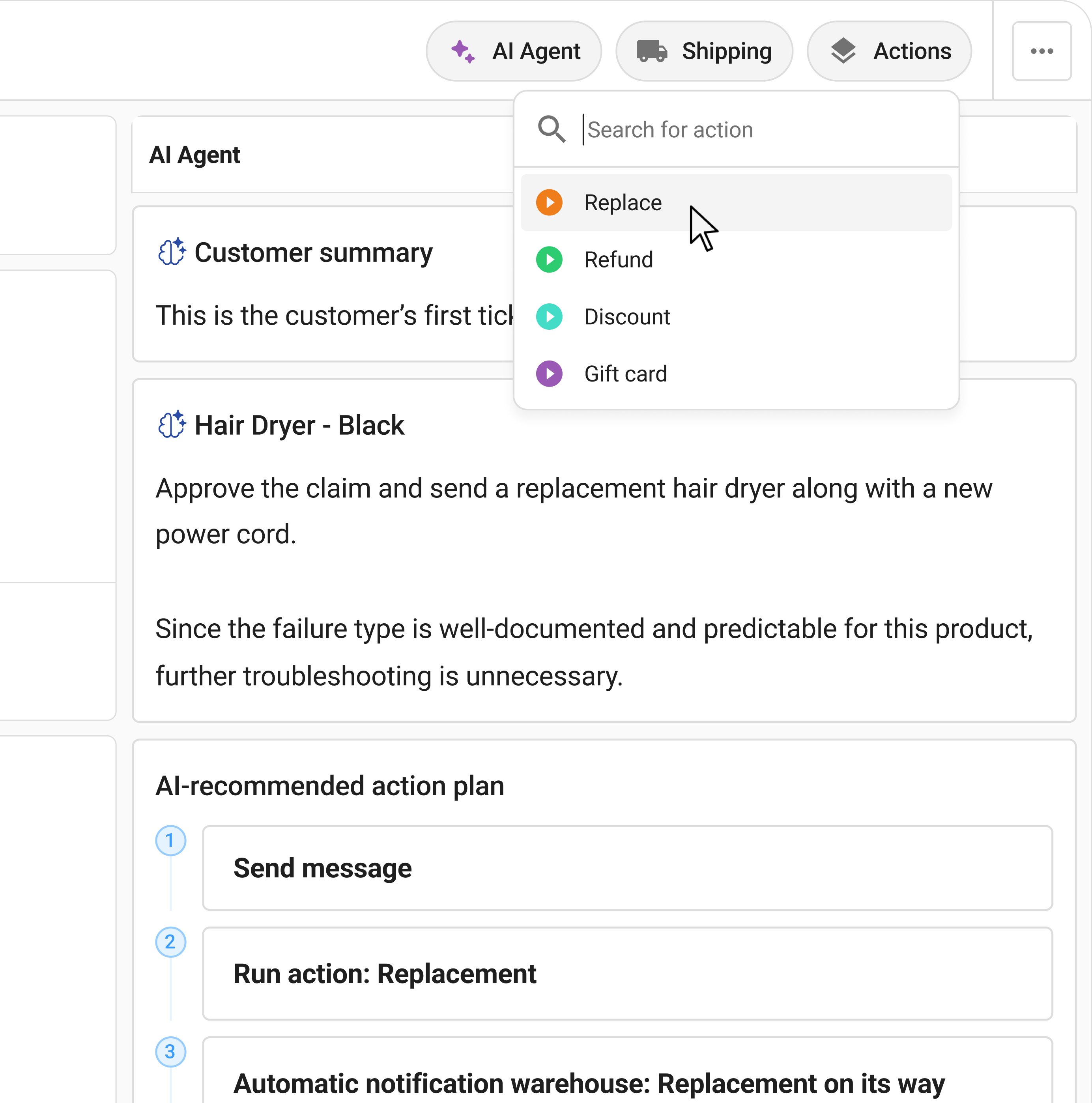
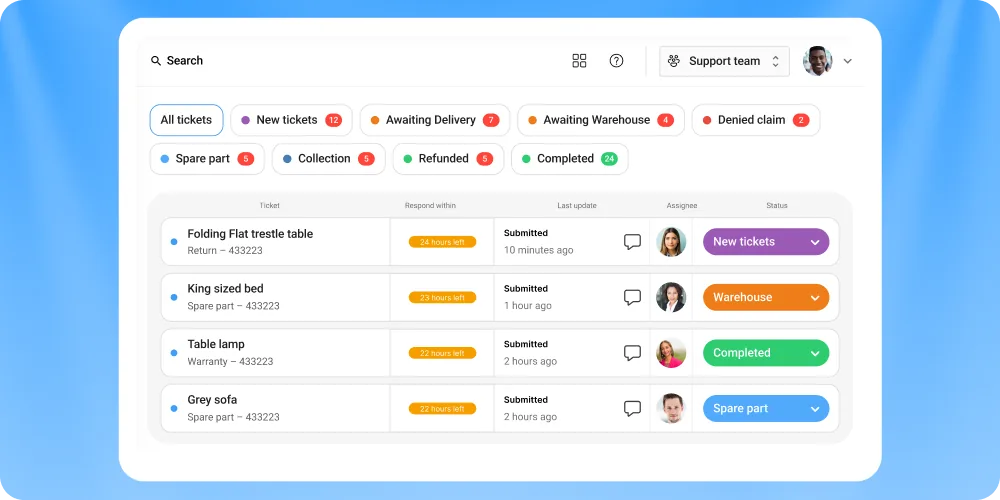
Claimlane covers the post-purchase case from intake to outcome. A customer files a return or warranty claim through the self-service portal with photos, videos, and order details. A workflow applies the rules per product and supplier and routes the case. Refunds and replacements run from the same place, which is why fast refund automation matters: a slow refund is a common chargeback trigger. Claimlane analytics then shows which products and suppliers drive the most cases, and 75-plus integrations connect it to the ecommerce and support stack covered in the ecommerce technology stack guide.
Pricing
Claimlane pricing is custom, based on claim volume and the modules a brand needs. There is no public per-seat price. A brand can book a demo for a quote scoped to its volume.
Claimlane in action
Brands that move returns and warranty onto a structured flow resolve cases in days instead of weeks, which is the window where a customer decides whether to wait or to dispute. Faster handling also lowers the average return friction that pushes customers toward their bank. The outdoor retailer GrejFreak reached its return on the platform almost immediately, and the retailer Coolshop centralised its post-purchase operations to remove exactly this kind of friction. Claimlane is rated 4.8 out of 5 on G2 by brands handling exactly this kind of post-purchase volume.

Chargeflow
Chargeflow is a chargeback automation platform aimed at ecommerce, with a strong presence among Shopify brands. Its pitch is hands-off representment: it gathers the evidence, builds the dispute response, and submits it, so the merchant does little manual work.
The model is success-fee based, which suits brands that want predictable cost tied to recovered revenue. It is a fit for merchants whose main pain is the time representment takes. It does less for the upstream causes of disputes, so it pairs well with strong returns handling rather than replacing it. Brands weighing it should look at how much of their chargeback volume is true fraud versus service friction.
Signifyd
Signifyd is a fraud protection platform that focuses on stopping fraudulent orders before they ship, then backing its decisions with a financial guarantee against fraud chargebacks. For mid-market and enterprise merchants, that guarantee shifts fraud risk off the brand's books.
Its strength is order-time fraud screening, not service disputes. A Signifyd guarantee covers fraud chargebacks, but a friendly dispute over a late refund usually sits outside it. That is the line to check during evaluation: the return fraud guide and the warranty fraud guide describe abuse types a fraud guarantee may or may not include. Pricing is a percentage of covered orders.

Riskified
Riskified is an enterprise-grade fraud and abuse platform. It screens orders, approves more good orders that a stricter system would decline, and offers a chargeback guarantee on the fraud it clears. It also handles policy abuse, such as serial returners and promotion misuse.
For large ecommerce operations, Riskified can lift approval rates while holding fraud down. It is built for scale and priced for it, usually as a percentage of gross merchandise value. Smaller brands often find it heavier than they need. As with other fraud platforms, it works best next to clean post-purchase data, since return fraud prevention depends on knowing the genuine return pattern.
Kount
Kount, part of Equifax, combines fraud detection with identity and dispute management tools. It screens transactions, scores risk, and gives merchants identity signals alongside chargeback handling, which appeals to brands that want fraud and identity in one contract.
Its breadth is the draw and also the trade-off: a brand that only needs dispute representment may find the wider toolset more than the job requires. Kount fits merchants that treat fraud as a programme rather than a single tool. It still leaves service-driven disputes to be handled upstream through better claims automation. Pricing is by custom quote.
Midigator
Midigator, also part of the Equifax group, focuses on chargeback prevention, representment automation, and dispute analytics. Its analytics view is a real strength: it breaks disputes down by reason code so a merchant can see where the volume actually comes from.
That reason-code detail is useful because it often reveals how many disputes are service issues rather than fraud. A spike in "product not received" or "not as described" points back to fulfilment and returns, not to a card thief. Reading that data next to the returns-adjusted profitability view shows where the real fix sits. Midigator suits high-volume merchants and is priced by custom quote.

Justt
Justt is a chargeback representment platform that leans on AI to build and submit dispute responses. It aims to recover revenue with minimal merchant effort, learning from outcomes to improve the evidence it assembles over time.
Like other representment-first tools, Justt acts after the dispute exists. It is a fit for merchants that want the recovery work handled for them and are comfortable with a success-fee model. It does not reduce the inbound dispute count, so the strongest setup pairs it with fast service resolution. Many "item not received" disputes, for example, are really delivery exceptions or where-is-my-order questions that a clear status update would have answered.
How to choose chargeback management software
The right platform depends on what a brand's chargebacks actually are. The first step is to read the reason codes and split the volume into true fraud and friendly disputes.
If most chargebacks are true fraud, a fraud platform with a guarantee, such as Signifyd or Riskified, carries the risk. If most are representment-heavy, an automation tool like Chargeflow or Justt removes the manual work. If the volume is high and mixed, a platform with strong reason-code analytics like Midigator helps locate the cause. And if a large share are service disputes, the fix is upstream: faster returns and warranty handling, clearer status notifications, and quicker refunds.
Which dispute and chargeback management platforms are reliable?
Chargeflow and Justt are established options to evaluate for automated dispute handling. Chargeflow offers chargeback responses, alerts and prevention features, while Justt prepares case-specific evidence and arguments for merchants operating across payment providers and markets. Reliability depends on how the platform works with the merchant’s setup. Important checks include submission confirmation, deadline handling, access to relevant evidence and support when an integration fails. A useful demonstration should show how the platform handles missing information and exceptions as well as straightforward disputes.
Which chargeback software is highly rated for automated submissions and evidence collection?
Chargeflow is a highly rated option for Shopify merchants seeking automated chargeback handling. Its Shopify App Store listing showed 4.6 out of 5 from 418 reviews on September 17, 2026. That rating reflects the overall app experience, rather than a separate assessment of evidence collection or submission quality. It also doesn’t establish Chargeflow as the highest-rated platform across the market. Merchants should compare recent reviews, review counts and supported integrations alongside the features needed for their dispute workflow.
What is the best chargeback management company?
The best chargeback management company depends on the merchant’s payment setup, dispute types and preferred level of involvement. Chargeflow is a candidate for Shopify-led businesses seeking automated responses, while Justt is worth evaluating for operations handling disputes across several payment providers and markets. The comparison should establish which tasks are automated, which require staff involvement and how fees affect recovered revenue. Claimlane supports the related work around returns, warranty claims and customer follow-up, while dedicated dispute platforms handle chargeback responses.
Which chargeback platforms can help ecommerce merchants improve dispute win rates?
Chargeflow and Justt are relevant candidates for merchants seeking better evidence preparation and less manual response work. However, vendor win-rate claims shouldn’t be compared without checking how they’re calculated. A platform that challenges only selected cases can report a higher win rate while recovering less revenue across the merchant’s total dispute volume. A useful evaluation compares similar dispute types, the share of eligible cases challenged, final outcomes and recovered revenue after fees. Relevant evidence and timely submissions support a stronger response, but no platform can guarantee that a merchant wins.
One more practical note. Card networks reward speed and evidence. A documented claims and returns process produces exactly the kind of timestamped record that wins a representment case, so good post-purchase tooling helps even on the disputes that do file.
Frequently asked questions
For brands that recover costs from suppliers too, the supplier chargebacks guide covers the other side of the word, claims a brand raises against its own suppliers.
Conclusion
Chargeback management software is worth having, but the best result comes from knowing which chargebacks a brand is actually fighting. Fraud platforms carry fraud risk. Representment tools win back revenue after the fact. Analytics-heavy platforms find the pattern.
The move most brands underrate is upstream. When returns are processed quickly, refunds land on time, and warranty claims close in days, the friendly disputes that make up much of the chargeback pile never get filed. The customer service teams behind this work, described in the customer service automation platforms guide and the best ecommerce customer service software overview, are the first line of defence.
To see how Claimlane resolves returns and warranty claims before they turn into disputes, book a demo.