A satisfaction guarantee badge goes on the product page and the add-to-cart rate ticks up. That is the number everyone celebrates. A few weeks later the return rate ticks up too, and that is the number nobody connects to the badge, because it lands on a different team's report.
Both numbers came from the same promise. A guarantee is a promise to the honest and an invitation to the rest, and a brand that only tracks the first effect is flying half blind. The badge is cheap. The refunds are not.
The question is not whether a satisfaction guarantee builds trust. It does. The question is whether the trust it buys is worth more than the returns and abuse it also buys, and that answer differs by product, price, and category. This is written for omnichannel and D2C brands with real return volume, weighing a guarantee as a conversion lever without letting the return rate run away, the wider context in ecommerce return policy strategies.
Satisfaction guarantee, defined
A satisfaction guarantee is a promise that a customer who is not happy with a product can return it for a refund, replacement, or credit, usually within a stated window, whether or not anything is wrong with the item. It covers the subjective not-satisfied, which is broader than a defect or a fault.
The key phrase is whether or not anything is wrong. A warranty covers defects. A satisfaction guarantee covers feelings, and feelings are harder to verify and easier to fake. That is the whole reason the design of the policy matters more than the generosity of it, the ground in refund policy best practices.
Satisfaction guarantee versus money-back versus warranty
Three promises get blurred together, and they carry very different exposure. Separating them is the first step to deciding which one a brand actually wants to make.
| Promise | What it covers | Main risk |
|---|---|---|
| Satisfaction guarantee | Subjective dissatisfaction, product fine or not | Abuse and wardrobing |
| Money-back guarantee | A full refund within a window | Refund cost, first-party fraud |
| Warranty | Defects in materials or workmanship | Claim volume, proof disputes |
A money-back guarantee is a satisfaction guarantee with the remedy fixed to cash, which is the most exposed version, the fraud angle in first-party fraud in ecommerce. Offering store credit or an exchange instead of cash changes the economics sharply, the trade in store credit versus refund.
The case for offering one
The upside is real and worth stating plainly. A visible guarantee lowers the perceived risk of buying, which lifts conversion, especially on higher-priced items and first-time buyers who have no reason to trust the brand yet. It also shifts buyers toward keeping a product they are on the fence about, because the safety net makes them more willing to give it a real try.
Done right, the guarantee is also a retention tool, not just an acquisition one. A customer who has a clean, generous experience returning one item is more likely to buy again, the effect in customer retention after returns. And steering the remedy toward an exchange rather than a refund can turn a return into a retained sale, the mechanism in exchange-first revenue retention. The buying psychology underneath all of it is worth reading directly, the ground in consumer buying behavior in ecommerce.
The case against
The downside is just as real and gets less airtime. A guarantee that covers subjective dissatisfaction is an open door to the return behaviors brands least want. Wardrobing, buying to use once and return, thrives under a no-questions guarantee, the pattern in wardrobing return fraud. Friendly fraud, the customer who genuinely believes they deserve the refund, sits right behind it, covered in friendly fraud.
Even honest returns cost money once volume climbs, because every guarantee return carries shipping, handling, and often a markdown on the returned unit, the full accounting in return fees and the broader trade in the pros and cons of free returns. Generosity without evidence is just a discount with extra steps, and a guarantee with no rules is generosity without evidence.
When it lifts conversion and when it invites abuse
The decision is not offer or do not offer. It is offer for which products, in which form, with which rules. The two columns below are the framework.
- Higher-priced, considered purchases
- Products hard to judge online
- First-time-buyer heavy traffic
- Categories with low fraud history
- Remedy offered as exchange or credit
- Low-cost, easily-consumed items
- Event or seasonal products
- No proof or reason required
- Cash refund with no window
- Categories with wardrobing history
The same product can sit in either column depending on how the guarantee is written, which is why the wording carries more weight than the decision to offer at all. Policies that quietly limit exposure, like final-sale carve-outs on clearance, belong in the design, the approach in final-sale policies for ecommerce.
How brands keep a guarantee from being gamed
A satisfaction guarantee survives contact with abuse only if it has structure behind the generosity. The structure does not have to be visible to the honest customer, and the best versions are not. They just quietly change what a serial returner can get away with.
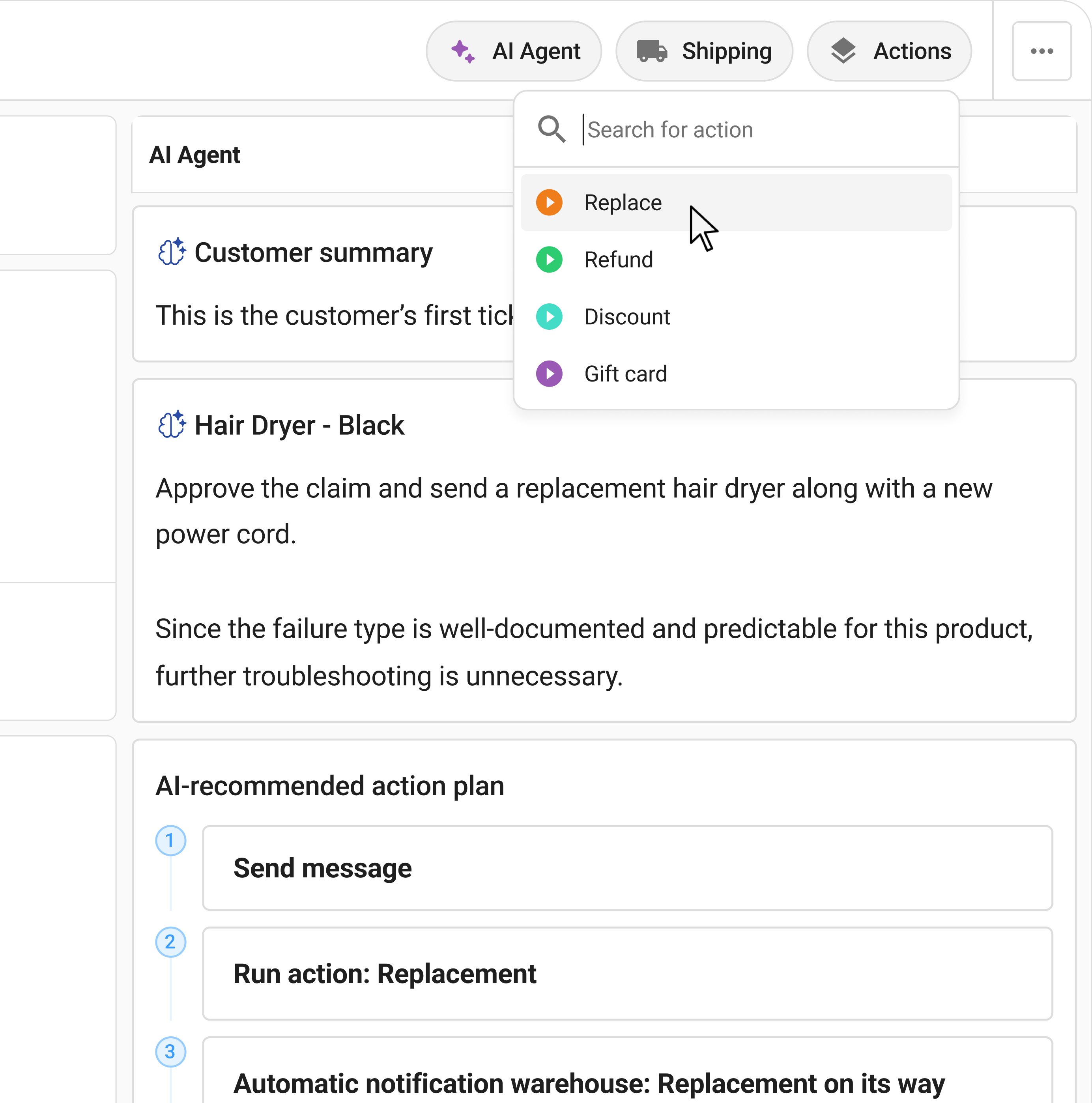
The first control is a reason and, where it fits, light evidence at intake, collected through a self-service portal so the brand learns why the product came back without interrogating a happy customer. The second is a record that connects returns to a customer across orders, so the pattern of a repeat abuser becomes visible, the discipline in return fraud prevention and the wider view in return fraud in ecommerce. The third is a rule engine that can apply the guarantee generously to a first-time returner and more carefully to someone on their tenth, which is what a workflow makes possible without a human judging each case.
None of that shows on the product page. The customer sees a clean promise. The brand runs the controls behind it, which is the difference between a guarantee that pays and one that leaks. Returnless refunds, where the math favors not paying to ship a low-value item back, are part of the same toolkit, the case in returnless refunds.
Claimlane holds a 4.8 out of 5 rating on G2.
The finance view: conversion lift versus guarantee-driven returns
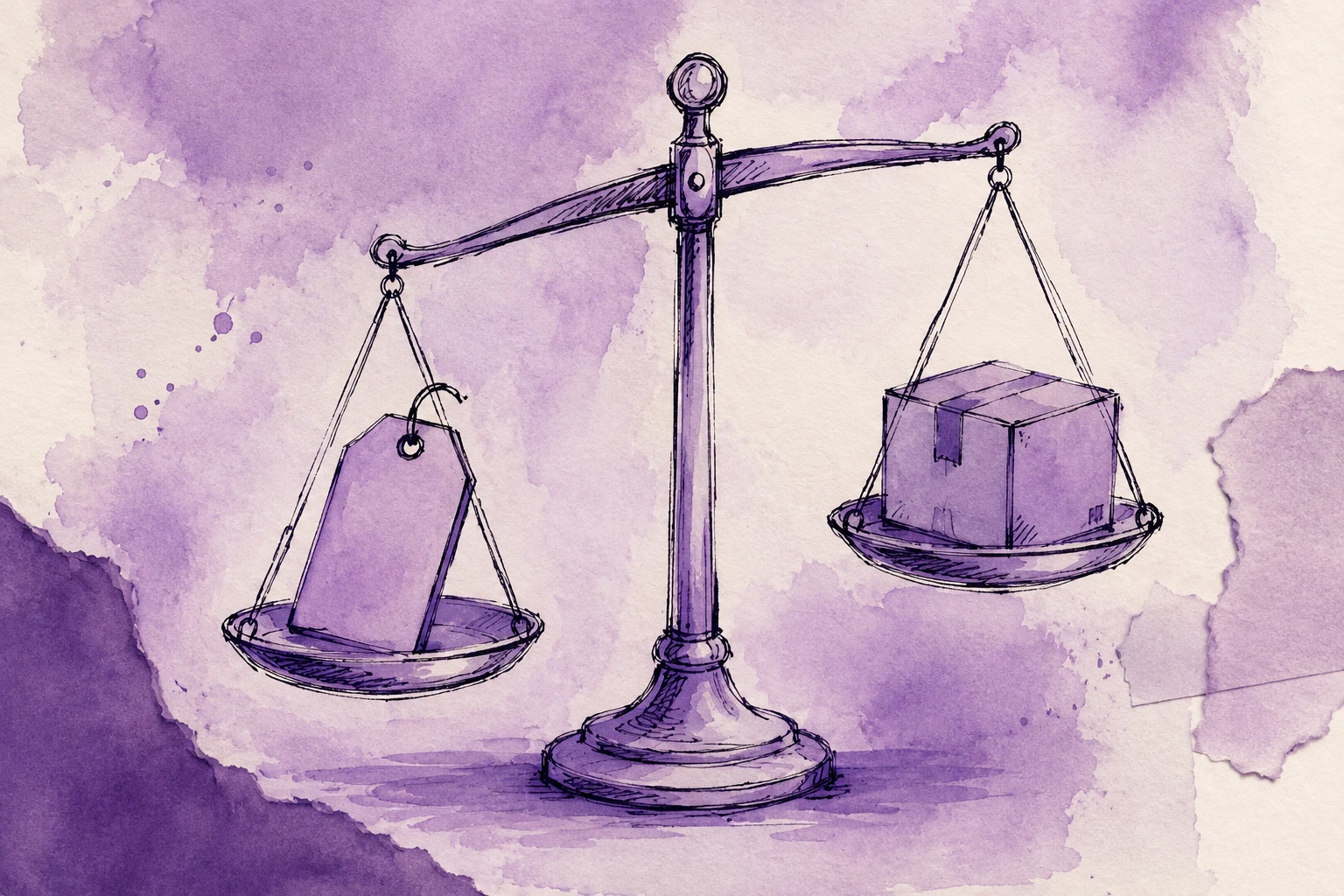
This is the calculation that should decide it, and it rarely gets made. A guarantee is worth offering when the margin from the extra conversions it wins is larger than the cost of the extra returns it causes. Both sides are measurable, and the deciding variable is the abuse share.
typical conversion lift a visible guarantee can add
the return-rate rise it can also bring
the variable that decides which effect wins
On a brand doing 10 million in revenue, a one-point conversion lift is real money, but a three-point rise in guarantee-driven returns at full handling cost can erase it if most of those returns are avoidable or abusive. Control the abuse share with rules and evidence, and the same guarantee flips from a cost to a net gain. That is why the number to watch is not the return rate in isolation but the guarantee-driven return rate against the conversion lift, framed the way return-rate benchmarks and returns cost research from the NRF set the baseline. Reducing the avoidable share is a separate lever that helps either way, the work in how to reduce returns.
Writing a satisfaction guarantee that holds
A guarantee that holds names its own edges without sounding stingy to the honest customer. It states a clear window, the remedy on offer, any category carve-outs, and the light proof it asks for, and it does all of that in plain language. The advertising side has rules too: a guarantee has to be honored as advertised, and the conditions have to be disclosed, the standard in the FTC advertising guidance for small business.
The wording should map to rules the system can run, so a return inside the window with a valid reason resolves fast, and an out-of-pattern one gets a closer look, the structure a connected stack and a real returns management system make possible. A template is a better starting point than a competitor's copied line, the resource in return policy templates and the restocking-fee question that often rides alongside, covered in what a restocking fee is.
On platform fit, simple exchange-first returns are well served by tools like Loop, and tracking-led post-purchase by Narvar or AfterShip. Running a guarantee with fraud controls, evidence, and rules that treat a first-time returner differently from a serial one is the complex post-purchase work Claimlane is built for, alongside the commerce and helpdesk stack rather than under it.
What to measure
Track the conversion lift attributable to the guarantee, ideally with a test rather than a guess, because that is the entire upside of offering it. Track the guarantee-driven return rate separately from the baseline return rate, since only the delta belongs to the policy. Track the abuse share, the portion of guarantee returns that show the pattern of wardrobing or serial returning, because that single number decides whether the guarantee is a growth lever or a slow leak.
Frequently asked questions
What is a satisfaction guarantee?
Is a satisfaction guarantee the same as a money-back guarantee?
Does a satisfaction guarantee increase returns?
When should a brand offer a satisfaction guarantee?
Run the number before printing the badge.
Take the conversion lift a guarantee would add, multiply by margin, and set it against the extra returns it would cause at full handling cost. If the abuse share is unknown, that is the first thing to fix, because it decides the whole equation.
See how the rules behind a guarantee get built