The instinct is simple. Returns cost money, so shorten the window and fewer people will return. Set it to 14 days, make them hurry, keep the sale.
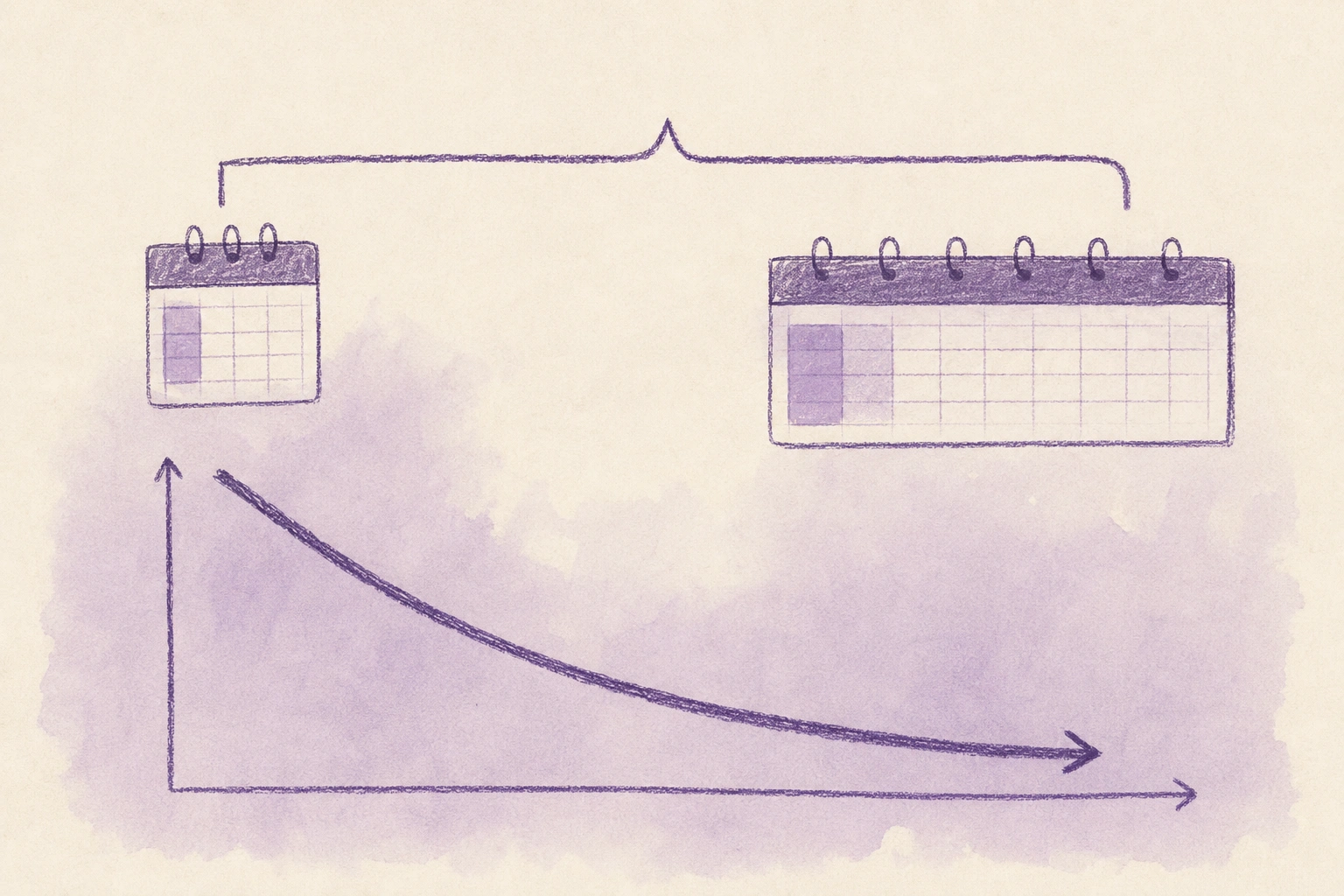
The data points the other way. Longer windows tend to produce lower return rates, not higher ones, because urgency is what drives a return. Give someone two weeks and they treat the deadline like a task. Give them 60 days and the pressure disappears, the product settles into their life, and many never send it back. The 14-day panic window is doing the opposite of what it was set up to do.
This is for omnichannel retailers running D2C returns at volume, where the return rate is a real line in the P&L and the return policy is treated as a lever rather than a legal formality.
What a return window is
Most stores land on 30 days because that is what customers expect, and expectation matters more than the exact number. The ecommerce return policy strategies guide and the refund policy best practices piece cover where the window fits in the wider policy, and the return policy templates and Shopify return policy templates give a starting structure.
Why shorter windows can mean more returns
The mechanism is attachment. The longer a customer keeps a product, the more it becomes theirs, and the less likely they are to give it back. A tight window fights that by forcing an early decision, and an early decision under pressure is more often a return.
A long window also signals confidence. A brand that offers 60 or 90 days is telling the customer it does not expect the product to disappoint, and that reduces the anxiety that drives precautionary returns. This runs alongside the reasons customers return at all, covered in why customers return products and how to reduce returns. It does not apply to bracketing, where buyers order multiple sizes to keep one, a behaviour the bracketing in ecommerce piece and the free returns pros and cons breakdown both address.
The legal floor a brand cannot go below
Window length is a business choice above a legal minimum. In the EU, Iceland, and Norway, most online purchases carry a 14-day right to return with no reason required, the cooling-off period. Some regions set their own defaults where a store has no stated policy. A brand can be more generous than the floor, never less.
The cooling-off period in ecommerce guide covers the EU rule in detail, and cross-border sellers should read it against the managing cross-channel returns breakdown, since a single window has to satisfy the strictest market a brand ships to.
How long the window should actually be
For most D2C brands, 30 days is the safe default and 60 days is the lever worth testing. Ninety days suits considered, higher-value categories where attachment builds slowly. Very short windows only make sense for clearly time-sensitive or final-sale goods.
Electronics deserve a note. The return window and the warranty are different things, and a fault after the return window is a warranty claim, not a return. The electronics returns and warranty claims guide separates the two, and the final sale policies piece covers the exceptions.
Split the window by resolution type
The strongest lever is not one window, it is different windows for different outcomes. Offer a longer window for exchanges and store credit than for cash refunds. The customer keeps the generosity, the brand keeps the revenue.
This nudges customers toward exchanges over refunds without ever refusing a refund, and exchanges keep the sale. The exchange-first revenue retention piece and the store credit versus refund breakdown cover the retention math, and returns-adjusted profitability shows the P&L effect of shifting the mix.
The part that costs money is enforcement
Here is what the window-length debate misses. The window length is a number in a policy page. Enforcement is where the money actually leaks. A generous window with no enforcement means agents approving returns at day 75 on a 60-day policy because it is easier than arguing, refunds going out on items that arrive damaged, and no record of which exceptions were granted.
A return rate looks like a product problem, but a chunk of it is policy the brand wrote and never held. The average ecommerce return rates guide and the return rate formula piece help size the leak, and return fees covers the levers that only work if the policy is actually applied.
Setting and enforcing the window
The fix is to enforce the window in the flow, not in the agent's head. Rules check the order date, apply the right window for the resolution type, and either approve, block, or route the edge cases, with every exception logged. Claimlane's workflow engine applies the window as a rule, the self-service portal shows the customer their eligibility before they start, and the ecommerce returns and return management system pages cover the wider setup. Fashion brands can start with the fashion returns management guide.
Claimlane holds a 4.8/5 rating on G2.
FAQ
Build the return and warranty portal customers actually use. The window is only half the policy. The other half is what happens when the item comes back. For that, read how exchange-first returns retain revenue.