Search "extended warranty" and every result answers the same question: is it worth it for the person buying it. Useful for a shopper. Useless for a brand deciding whether to sell one, which is a completely different question with a completely different answer.
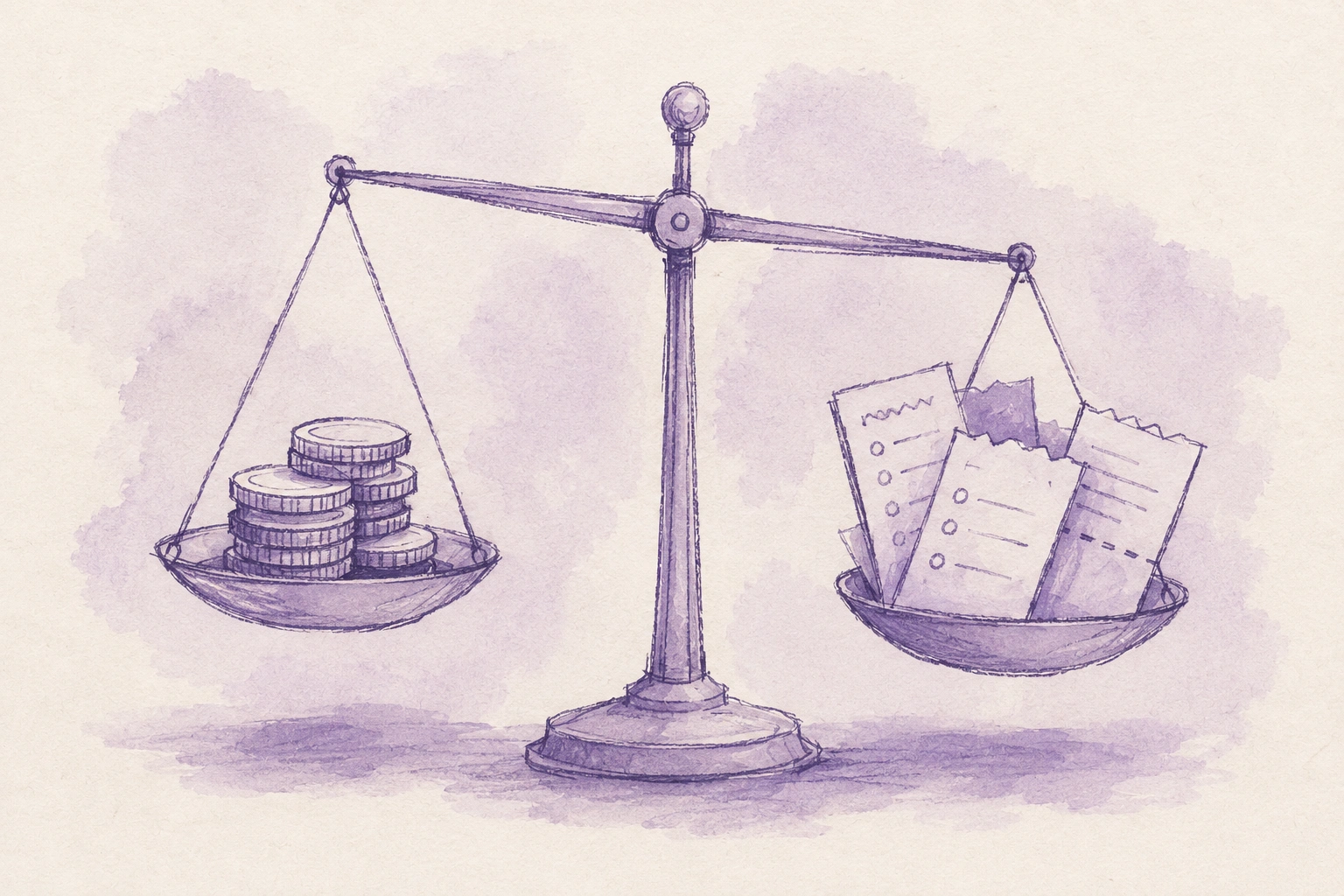
The brand question is a margin equation. Money comes in when customers buy the plan. Money goes out when they claim on it. The program works when the first number beats the second by enough to cover the cost of running it. A program that sells well and pays out badly is not a revenue line, it is a slow refund.
This is written for warranty-heavy brands with repairs and spare parts, the ones weighing whether a paid program is worth launching or worth keeping. The extended warranty platforms guide covers the tooling, and three ways to turn warranty claims into revenue covers the wider case for making aftersales pay.
What an extended warranty program is, from the brand side
Standard warranty is a cost the brand carries to sell the product. An extended warranty is a product the brand sells on its own terms. That difference is why it needs its own economics, not a rule of thumb. The limited warranty explained guide and manufacturer warranty for consumer electronics piece cover where the paid plan sits above the free coverage, and transferable warranty and lifetime warranty explained cover the variants.
The two numbers that decide it
Strip the decision to two numbers. Attach rate is the share of buyers who purchase the plan. Claim cost is what the brand pays out and spends handling claims over the plan's life. Attach rate is the promise. Claim cost is the bill.
The example shows why the program lives or dies on two levers the SERP never mentions. The warranty reserve accounting guide covers how to hold for the future claims, and how to improve the warranty claim rate covers the claim side of the equation.
The margin math most brands skip
The number brands underweight is claim-handling cost, not the payout itself. A claim does not just cost the part or replacement. It costs the agent time to assess it, the shipping, and the admin, which is why the same payout can be profitable or loss-making depending on how the claim is run.
This is the link between the program's economics and its operations. A brand that handles claims cheaply can price the plan competitively and still keep margin. A brand drowning in manual claims cannot. The hidden costs of returns and claims piece and warranty claims processing guide size that handling cost, and optimal warranty period length covers how duration changes the exposure.
Underwrite it, partner it, or self-administer
There are three ways to run a program, and they trade risk for margin. Partnering with a third-party administrator or insurer moves the claim risk off the brand's books but takes a cut. Self-administering keeps the full margin and the full risk. A hybrid underwrites the plan but handles claims in-house.
The choice is really about whether the brand can run claims well enough to keep the risk. The ecommerce warranty overview and warranty registration and why brands need it piece cover the setup that self-administration needs.
The hidden cost that sinks in-house programs
The plan is priced on a spreadsheet and lost on the claims desk. The economics that looked clean at launch fall apart when every claim takes an agent twenty minutes of email, the payout gets approved without checking coverage, and nobody recovers the defect cost from the supplier.
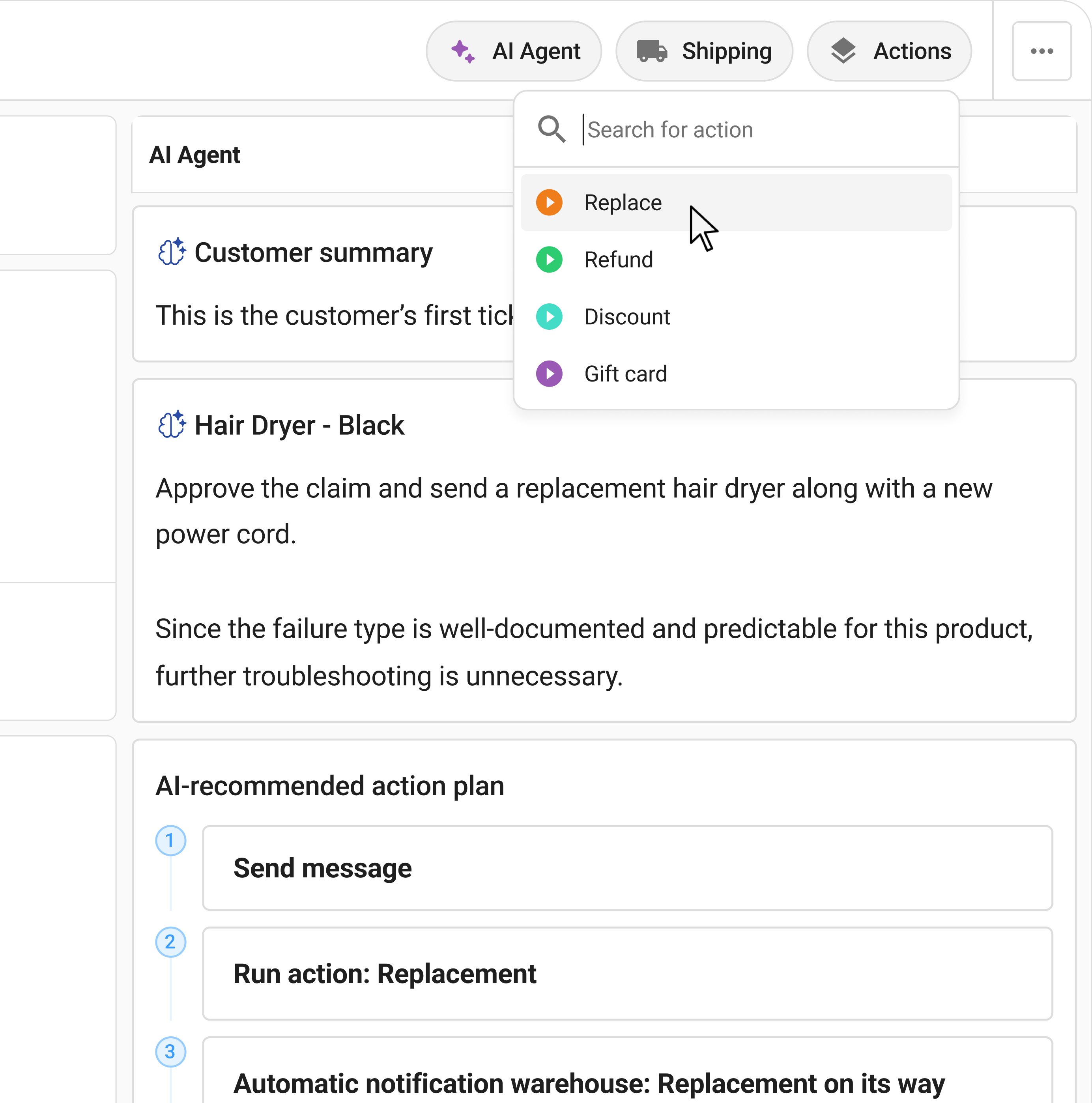
That is where two-tier positioning matters. For simple, low-value consumer returns, a Shopify returns app like Loop or a tracking layer like Narvar or AfterShip is plenty, and an extended program is overkill. A paid warranty program on repairable, higher-value goods, with claims that need evidence and coverage rules, is a different operation, closer to what ReverseLogix and Claimlane handle. Claimlane runs the claim side so the program's margin survives contact with real claims, with forward to supplier recovering defect cost and integrations posting resolutions cleanly. The why the warranty claim process builds loyalty piece covers the retention upside of running it well.
A decision framework before launching
The framework keeps the decision honest. The plan should be priced from the brand's own claim data, not a competitor's sticker. The warranty policy template and refurbished product warranty guides cover the terms, and the outdoor and sporting goods industry page and electronics industry page show where paid programs fit.
Claimlane holds a 4.8/5 rating on G2, and the return merchandise authorization guide is a useful next read for structuring the claim step.
What a well-run program looks like
A well-run program is priced on real claim data, handled through a structured flow that keeps cost per claim low, reserved for properly, and backed by supplier recovery on defects. The revenue is real because the payouts are controlled.
A badly run one sells the same plan, then loses the margin to slow manual claims and skipped recoveries. Same product, opposite outcome, and the difference is entirely operational.
FAQ
Run the attach-rate against claim-cost check before pricing anything. The program is not a marketing decision, it is a margin decision, and the margin is set on the claims desk. Can the brand handle the claims cheaply enough to keep what it sells? Compare the platforms that run these programs.