.webp)
Warranty registration used to mean filling out a paper card, putting it in an envelope, and mailing it to the manufacturer. Most people didn't bother. The card sat in the product box, got thrown away with the packaging, and the warranty went unregistered.
Digital warranty registration changes this completely. When done right, registration is a 30-second process that happens at or right after purchase. It creates a direct relationship between the brand and the end customer, captures valuable product data, and makes future warranty claims faster and easier for everyone.
Here's why warranty registration is becoming a priority for ecommerce brands in 2026.
What Is Warranty Registration?
Warranty registration is the process of a customer formally registering a product purchase to activate or document the warranty. The customer typically provides:
- Name and email
- Product purchased (SKU, model, color)
- Serial number (if applicable)
- Purchase date and channel
- Proof of purchase (receipt or order confirmation)
Once registered, the brand has a verified record linking a specific customer to a specific product and purchase date. This record is the foundation for efficient warranty claims processing later.
Why Warranty Registration Matters
Direct Customer Relationships
For brands that sell through retailers, distributors, or marketplaces, warranty registration is often the only way to get direct contact information for the end customer. Without it, the brand knows the retailer bought 500 units but has no idea who ended up with them.
This direct relationship enables:
- Product care communication. Proactive emails about maintenance, usage tips, and safety notices.
- Recall efficiency. If a product needs to be recalled, registered customers can be contacted directly instead of relying on retailer channels.
- Upselling and cross-selling. Registered customers can be marketed to for accessories, upgrades, and new products.
- Loyalty programs. Registration becomes the entry point for brand loyalty initiatives.
Faster Warranty Claims
When a customer files a warranty claim for a registered product, the system already has the product details, purchase date, and customer information. No need to ask for proof of purchase. No need to verify the purchase channel. The claim can move straight to assessment.
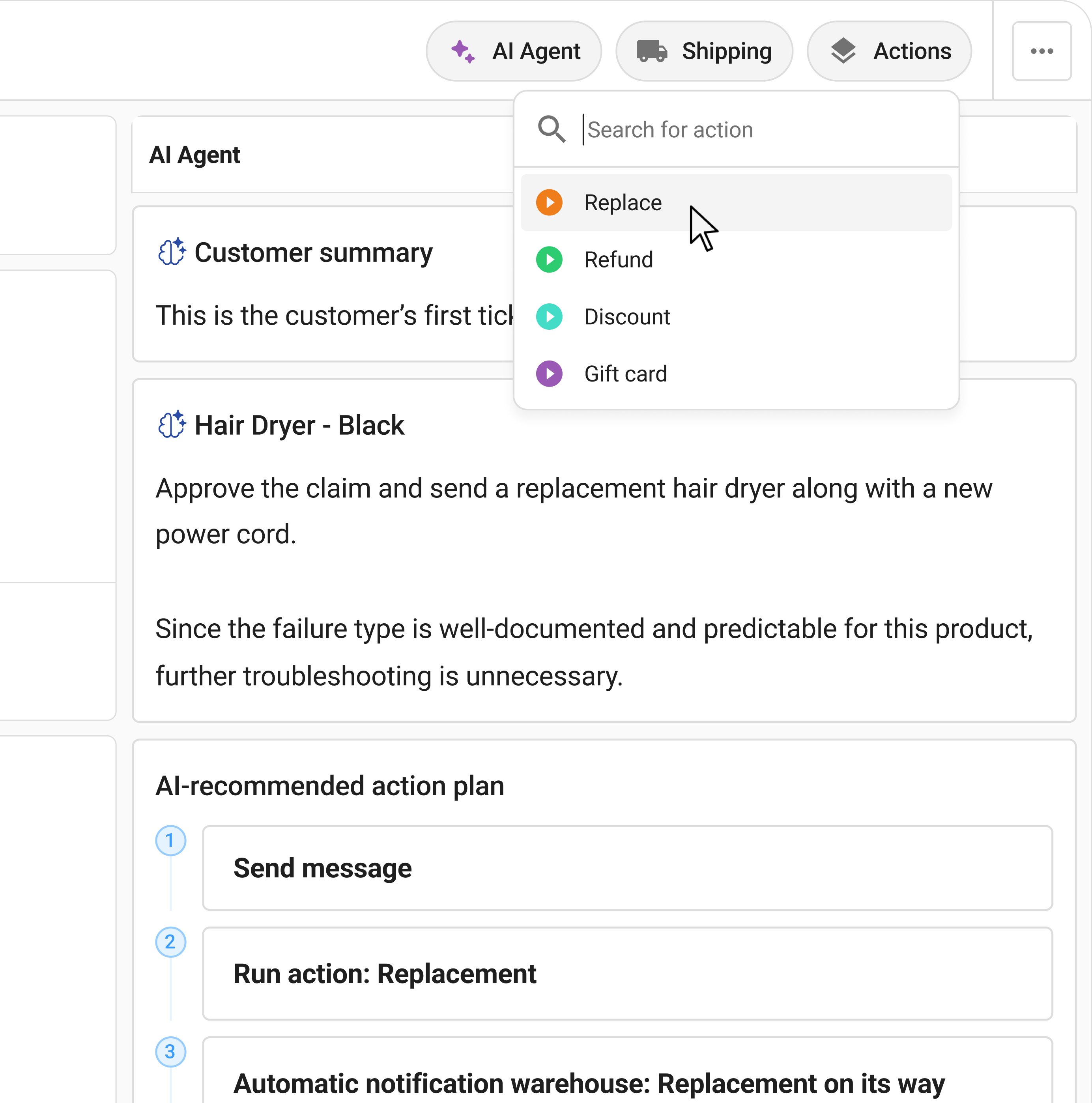
Claimlane's AI Agent, the first AI agent purpose-built for warranty claims and returns, works even faster with registered products because the warranty rules (coverage period, covered defects, resolution options) are already mapped to that specific product. This means the AI can assess the claim against known parameters without manual lookup.
Product Intelligence
Registration data, combined with claims analytics, reveals patterns that improve product quality:
- Defect rates by batch. If products from a specific manufacturing run have higher registration-to-claim ratios, that signals a production issue.
- Geographic patterns. Products failing more often in humid climates might need different materials or packaging.
- Usage patterns. The gap between registration date and first claim tells the brand how long products typically last in real-world use.
- Supplier quality. Linking registration and claims data to supplier information through supplier forwarding gives brands evidence for supplier conversations.
Fraud Reduction
Warranty fraud is a real problem. Common types:
- Receipt-less claims. Customers (or non-customers) filing claims without ever purchasing the product.
- Out-of-warranty claims. Claiming a defect after the warranty period has expired.
- Resale claims. Second-hand buyers filing claims on products they didn't purchase new.
Registration creates a verifiable record that makes these fraud types harder. A registered product has a known purchase date, a known owner, and a known warranty expiration. Claims can be validated against this data automatically.
How to Implement Warranty Registration
Digital Registration Flow
The registration process should be friction-free. Best practices:
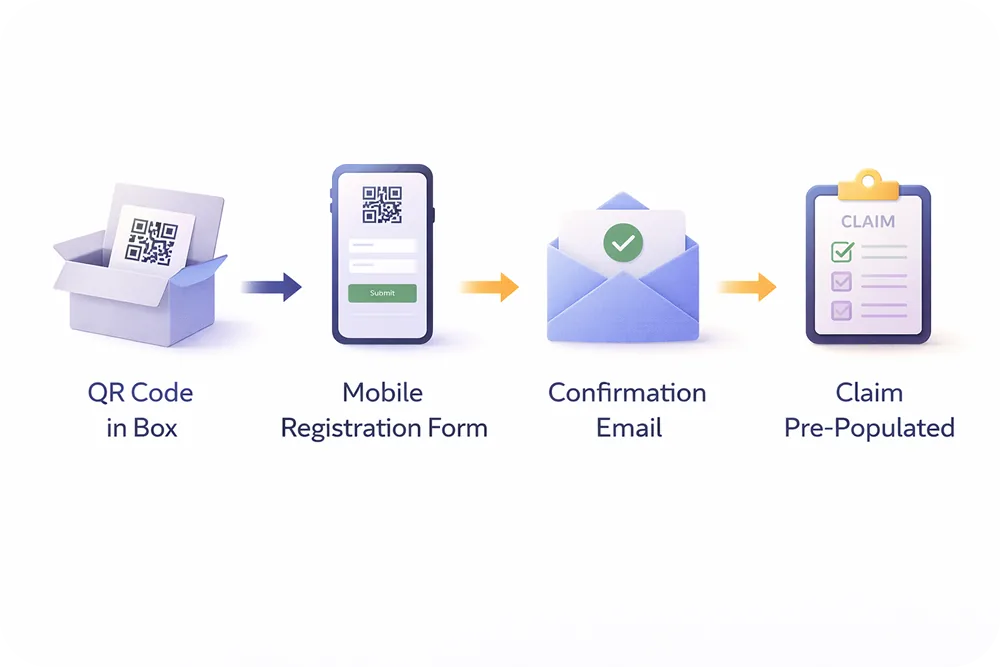
- At checkout or post-purchase. For DTC sales, registration can happen automatically or with a single checkbox at checkout. For retail-purchased products, include a QR code in the packaging that links to the registration page.
- Minimal fields. Name, email, product, and purchase date. Serial number if the product has one. Don't ask for information you don't need.
- Incentivize registration. Offer extended warranty, exclusive content, or early access to new products in exchange for registration.
- Mobile-first. The QR code in the packaging should lead to a mobile-optimized registration page. Most registrations happen on a phone.
Claimlane offers a warranty registration module that handles the registration flow, stores the data, and connects it to the claims system. When a registered customer later files a claim through the self-service portal, their product information auto-populates.
When to Offer Registration
Not every product needs warranty registration. It makes the most sense for:
- Higher-value products where warranty claims are common (furniture, electronics, outdoor gear)
- Products with extended warranties (2+ years)
- Products sold through third-party channels where the brand doesn't have customer data
- Products with safety implications where recall capability matters
For a detailed breakdown of when registration makes sense, see: when does warranty registration make sense to offer.
Registration Incentives
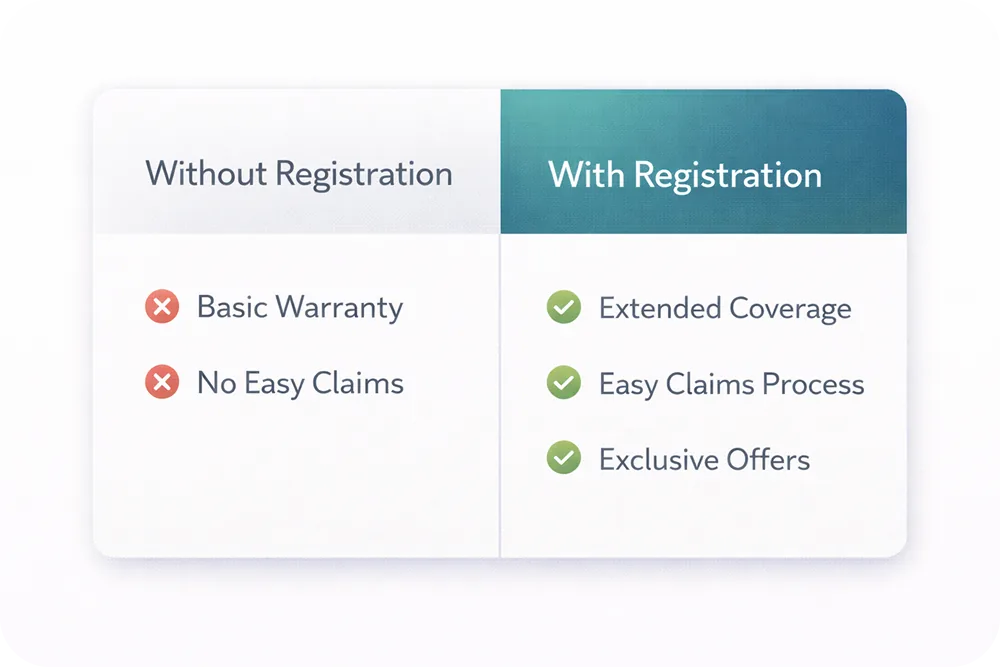
The biggest challenge with warranty registration is getting customers to actually do it. Incentives that work:
- Extended warranty. "Register within 30 days to extend your warranty from 1 year to 2 years." This is the most effective incentive because it directly ties to the registration's purpose.
- Exclusive access. Early access to new products, member-only sales, or exclusive content.
- Product care tips. A curated email series with maintenance and usage tips for the specific product.
- Warranty verification badge. A digital proof-of-warranty that the customer can access anytime.
Warranty Registration and Customer Experience
Reducing Effort in Future Claims
Registration reduces customer effort when a claim needs to be filed. Without registration, the customer has to find their receipt, look up the serial number, and provide all product details from scratch. With registration, they log in, select the registered product, describe the issue, and upload photos. The system handles the rest.
This aligns with the broader trend of reducing customer effort across after-sales operations.
Building Trust
Warranty registration sends a signal: "This brand takes warranty seriously." It implies that the brand expects to stand behind the product and has invested in systems to do so. For considered purchases (furniture, electronics, outdoor gear), this trust signal can be the difference between buying and hesitating.
Post-Purchase Engagement
Registration opens a communication channel. Brands can use it for:
- Product setup guides
- Maintenance reminders
- Complementary product recommendations
- Customer satisfaction surveys
- Warranty expiration reminders (with option to purchase extended warranty)
This transforms the warranty from a cost center into a relationship-building tool.
Warranty Registration for B2B
For B2B brands, warranty registration serves additional purposes:
- Fleet tracking. Companies purchasing equipment in bulk can register units with location and user data.
- Maintenance scheduling. Registration data enables proactive maintenance notifications.
- Compliance documentation. Certain industries require warranty registration as part of compliance records.
- Multi-level claims. B2B warranty claims often involve the end user, the purchasing company, and the brand. Registration clarifies the chain.
F. Engel uses Claimlane for B2B returns processing with structured warranty data.
Industry Examples
Electronics
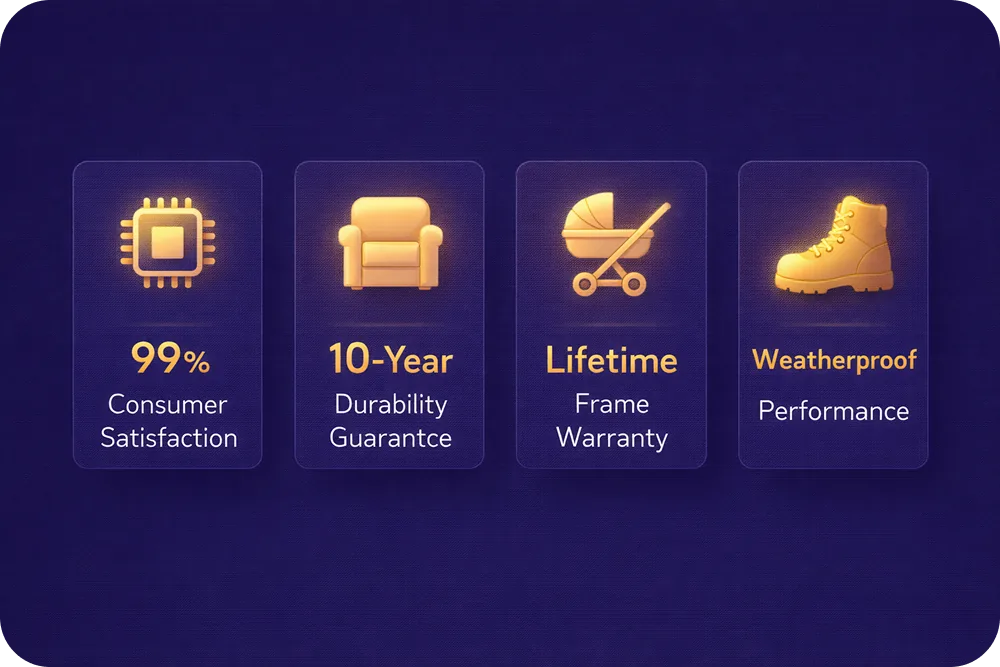
Electronics brands benefit heavily from registration. Products have serial numbers, defined warranty periods, and measurable defect rates. Registration data helps identify batch-level quality issues before they become widespread.
Furniture
Furniture warranty registration is growing as brands move to DTC models. With 47-day average return cycles, having registration data upfront speeds up claims significantly.
Baby Products
Baby products have strict safety requirements. Registration enables direct communication for recalls and safety updates. Sebra uses Claimlane for claims processing with registered products.
Outdoor and Sporting Goods
Outdoor brands like Black Diamond use warranty registration to track products used in extreme conditions. Automated warranty and repair workflows work faster when registration data is already in the system.
Measuring Registration Success
Track these metrics:
- Registration rate. What percentage of sold products get registered? Benchmark: 15-30% for products without incentives, 40-60% with extended warranty incentives.
- Registration-to-claim ratio. What percentage of registered products eventually generate a warranty claim? This is a leading indicator of product quality.
- Claim resolution time: registered vs. unregistered. How much faster are claims for registered products? This quantifies the operational value of registration.
- Customer lifetime value: registered vs. unregistered. Do registered customers buy more? (Typically yes, because they've self-selected as engaged customers.)