Ask why a customer buys a refurbished laptop instead of a new one and the obvious answer is price. The real answer is the warranty. A lower price gets the click. The warranty closes the sale, because it is the only thing standing between the buyer and the fear that they are buying someone else's problem.
Most brands miss this. They treat the warranty on a refurbished unit as a risk to cap, so they bolt on a token ninety days and move on. That ninety-day token is a confession that the brand does not trust its own refurb line. Nobody buys a used pump, a renewed phone, or a refurbished drill on trust. They buy it on the warranty.
The guides that rank for this term are all written for the shopper, walking through coverage lengths and whether refurbished is worth it. None are written for the brand that has to set the coverage and run the claims behind it, which is the harder and more valuable side of the question, and the one that decides whether a recommerce line actually works.
Refurbished, certified pre-owned, renewed: the difference is the warranty
The labels blur together, and the thing that actually separates them is the promise attached.
Restored to working order. Warranty varies widely, often 90 days to a year.
A documented, consistent standard plus a longer, structured warranty. The certification is the warranty.
Marketplace term for inspected and repackaged units, warranty set by the program.
The pattern is clear once it is named: as the label gets stronger, the warranty gets longer and more structured. Certified pre-owned commands a premium over plain refurbished precisely because the warranty is bigger, which is the same lever behind any extended warranty program. The difference is not the cleaning. It is the promise, and the difference between a warranty and a guarantee is exactly what a refurbished buyer is reading.
Myth: a refurb warranty is a cost to minimize
The instinct to cap the warranty comes from treating refurbished units as riskier, so the warranty looks like exposure to limit. The reality runs the other way.
The short warranty saves a little claims cost and loses a lot of sales, because the buyer reads it as a lack of confidence. The longer warranty pays for itself on conversion, as long as the claims behind it are not a manual fire drill. That condition is the whole game, and it is why warranty management best practices matter more for refurbished than for new.
Myth: refurbished claims are the same as new-product claims
A refurbished claim is not a new-product claim with a shorter clock. It is a different case. The unit has a history, a refurbishment record, and a different failure profile, and the claim has to know all of that.
A refund app does not know what refurbished even means. It cannot tell a first-life unit from a second-life one, cannot see the refurbishment record, and cannot route a refurb-specific fault to the team that handles it. Handling refurbished claims well needs the unit identified and its history attached, which is why warranty registration and why brands need it move from optional to essential the moment a brand sells second-life goods.
The serialized backbone a refurbished warranty needs
A refurbished warranty only works if the brand knows which unit it sold and what was done to it. That is a serial-level record, not a sales receipt.
When each refurbished unit carries its history, a claim can check the warranty status, see the refurb record, and resolve against the right rules through a self-service portal and warranty registration tied to the unit. Without that, every refurbished claim is a research project, and warranty tracking becomes guesswork. The same record settles the disputes that sink refurbished programs, like proof of purchase and what voids the warranty on a second-life unit.
Warranty as the conversion lever
The finance case for a real refurbished warranty is not soft. It is conversion and price, set against a claims cost that a good process keeps predictable.
Certified pre-owned sells above plain refurbished because of coverage. A predictable warranty reserve, not a capped one, is what makes the premium safe to offer.
A brand that can price the warranty reserve, because it has clean claims data, can extend coverage with confidence and capture the premium. A brand guessing at claims cost caps the warranty to protect a number it cannot see, and leaves the margin on the table. That is the link between warranty reserve accounting and the price tag, and it is why refurbished warranty is a finance decision, not just a policy. Coolshop runs its claims and returns on Claimlane, the kind of clean handling that makes a coverage promise a number a brand can stand behind.
The data loop: refurb claims grade the refurb line
Here is the part the consumer guides never reach. A refurbished claim is feedback on the refurbishment process itself. If renewed units keep failing on the same component, the refurb line missed it, not the customer.
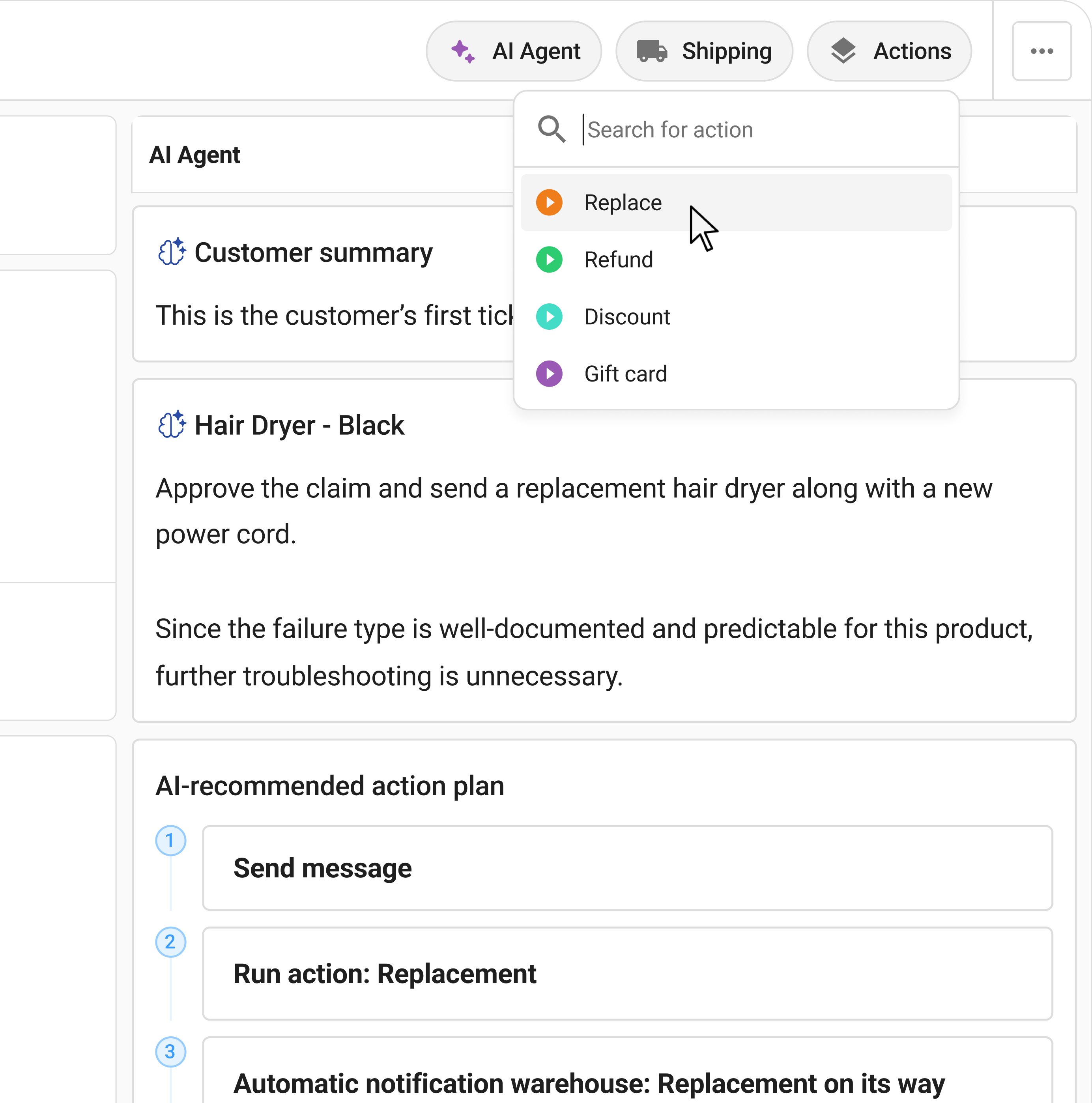
That loop runs on structured claim data, the kind that analytics turns into a quality signal about the brand's own refurbishment. Claimlane's AI Agent, the first AI agent purpose-built for warranty claims and returns, reviews the claim photos on a returned refurbished unit, applies the brand's rules, and recommends a resolution, so a pattern shows up as data instead of as a slow leak of trust. The guardrails hold: humans stay in the loop on high-value cases, the rules are configurable, and every decision is logged. The same feedback keeps customer retention after returns intact, which is where a refurbished program lives or dies.
Generic returns app or warranty platform: the two-tier reality
A standard returns app processes a refund and an exchange, which is fine for a simple change of mind on a new product. It has no concept of a refurbished unit, its history, or a structured warranty claim.
A refurbished line needs the other tier: serial-level warranty, refurb history, claim routing, and the analytics that grade the refurb process, running as the execution backbone alongside the store. Simple change-of-mind returns belong with the generic apps. Refurbished warranty and claims belong on a specialist platform, a split brands can size against the market for warranty management software for 2026. MaxGaming handles complex claims on second-life and current gaming hardware across a huge catalog on Claimlane, the same backbone a refurbished line needs.
Selling refurbished, or selling refurbished with a real warranty?
Five questions for a refurbished program
▸ Does each refurbished unit carry a serial and a refurb history?
▸ Can a claim check warranty status against the specific unit?
▸ Is the warranty long enough to actually convert a buyer?
▸ Can the brand price the warranty reserve from real claims data?
▸ Do refurb claims feed back into the refurbishment process?
Three or more no answers means the brand is selling refurbished without the warranty that makes it sell.
A brand that answers yes is selling refurbished with a real warranty, the kind that earns a premium. A brand answering no is selling refurbished and hoping price alone carries it, which it rarely does once a buyer reads the ninety-day token for what it is.
What to measure
Track conversion lift by warranty length, the number that proves coverage is a sales lever and not just a cost. Track claims rate on refurbished versus new, which is the honest read on the refurb line's quality. Track the warranty reserve accuracy on refurbished units, the finance number that decides how much coverage a brand can safely offer, the same discipline behind ecommerce warranty generally.
The price gets the click, but the warranty is what the buyer is actually buying. Brands that build the serial-level backbone behind it can extend coverage, charge the premium, and turn every claim into a grade on their own refurbishment. Brands that cap the warranty to protect a number they cannot see are leaving the margin, and the trust, on the table. The next read is how clean claims handling holds up in practice in the Coolshop case.
Claimlane scores 4.8 out of 5 on G2, on the serial-level warranty and claims handling a refurbished program depends on.
The math is simple: a longer warranty that a real process can absorb earns more on conversion than it costs in claims, and a brand that can price its warranty reserve can offer that coverage without guessing. See where the reserve number comes from in warranty reserve accounting, then put a real warranty behind the refurbished line.
FAQ
How long should a refurbished product warranty be?
Long enough to convert a skeptical buyer, which usually means more than a token ninety days. Certified pre-owned programs win on longer, structured coverage. The right length is the one a brand can price against real claims data, so the warranty reserve stays predictable as coverage extends.
What is the difference between refurbished and certified pre-owned?
Refurbished means restored to working order, with warranty terms that vary by seller. Certified pre-owned applies a consistent, documented standard and bundles a longer, structured warranty. The certification commands a premium because the warranty is bigger, not because the cleaning is different.
Why do refurbished claims need different handling than new-product claims?
A refurbished unit has a history and a refurbishment record, and a different failure profile. A claim has to check warranty status against the specific unit and route refurb-specific faults correctly. A refund app cannot tell a first-life unit from a second-life one, so it mishandles the claim.
How do refurbished claims improve the refurbishment process?
Each claim is feedback on the refurb line. When renewed units fail repeatedly on the same component, the data points to a step the line missed. Structured claim data and analytics turn that pattern into a fix, so the next batch fails less and the warranty cost drops.