
Most consumer warranties end at the first owner. The card says "non-transferable," the brand moves on, and when the product is resold the coverage evaporates. Almost nobody decided that on purpose. Non-transferable is a default, not a decision, copied from a template and never questioned.
The gap it creates is quiet and expensive. A warranty that dies on resale kills part of the resale, because a buyer pays less for a product with no coverage behind it. The second owner, the person who buys the item used and might buy new next time, is a customer the brand already made and then disowned. A transferable warranty is the feature that keeps that customer, and it is the one almost no brand puts a price on.
This is written for warranty-heavy brands in electronics, sporting goods, furniture, and DIY, the categories where products hold value on the second-hand market and where recommerce is becoming part of the plan rather than a threat to it.
Transferable warranty, defined
A transferable warranty is a warranty that stays with the product when ownership changes, so a second owner can still claim within the original terms. Transfer usually requires the coverage to be tied to the product or a valid proof of purchase, not to a single named buyer.
The mechanism is what makes it possible. If coverage is tied to a person, it cannot move. If it is tied to the product and its purchase record, it can, which is why the whole question comes back to registration, the ground covered in why brands need warranty registration.
Why brands default to non-transferable
The reflex has a logic. A transferable warranty could mean more claims, because the coverage now spans two owners instead of one. Brands write "non-transferable" to cap that exposure. The problem is that they cap it without ever measuring what it costs on the other side of the ledger, and the exposure is smaller than it looks because a second owner still has to prove the claim, the same proof step in proof of purchase for warranty. A refurbished unit is the clearest case, where transferability and coverage terms decide the resale, the subject of refurbished product warranty.
What transferability is worth in resale value and CLV
The value shows up in two places. On the resale price, a covered product sells for more than an identical one with dead coverage, and that premium accrues to the first owner, which makes the original purchase more attractive. On lifetime value, the second owner enters the brand's records as a real customer, the CLV logic in customer lifetime value and returns.
a new customer relationship acquired at zero marketing cost
covered units command a premium over uncovered ones
transfer exposure is capped by the term and the proof requirement
Framed for finance, transferability is a customer-acquisition channel that costs nothing to open and a warranty-reserve line to size correctly. That is a trade a CFO can evaluate, not a giveaway, and it sits alongside the paid extended warranty options a brand may already run.
How a transfer works at claim time
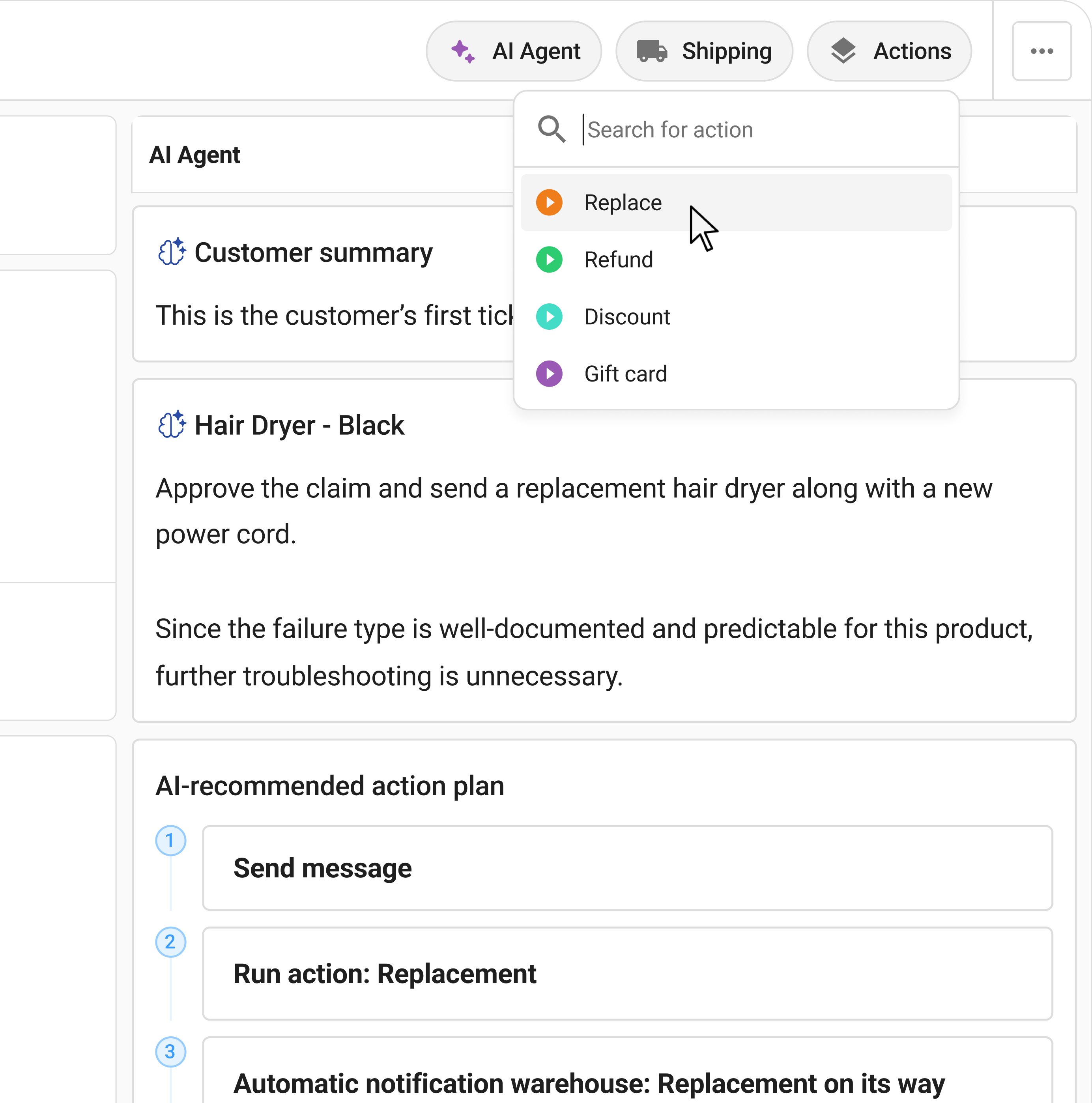
The transfer is only real if a claim from the second owner resolves cleanly. That means the system has to recognize the product, confirm it is inside the original term, and accept the new owner without a support agent guessing. Coverage tied to the unit, verified against the registration and purchase record, makes that automatic. Coverage tied to a name means every second-owner claim becomes a manual exception, which is exactly the failure a warranty management software setup is meant to remove. Serial-level tracking is what lets the system know the unit and its history, the approach in serialized product defect tracking.
The registration data that makes transfer possible
Transfer runs on data captured at the first sale. Product, serial, purchase date, and a proof record are what let the coverage move without reopening every question. Without that record, transfer is a promise the brand cannot verify. Collecting it up front is the job of warranty registration, and the decision of when to ask for it is covered in when warranty registration makes sense to offer. The tooling that holds the record is the subject of product registration software.
Transferable warranty and recommerce
Transferability and resale pull in the same direction. A product designed to be repaired, resold, and claimed again keeps value in circulation and out of the bin, the argument in sustainable returns. It also lowers the environmental cost that warranty claims carry when the answer is always replace, covered in the environmental impact of warranty claims. A self-service flow lets a second owner register and claim without a phone call, which is what a self-service portal is for.
On the platform question, a transferable warranty is not a returns feature and generic returns tools like Loop or AfterShip do not model it. Warranty transfer is warranty logic, the complex post-purchase work Claimlane is built to run.
When it makes sense and when it does not
Transferable warranty fits products that hold resale value and get used long enough to change hands: bikes, tools, outdoor gear, furniture, higher-end electronics. It fits less well for low-value consumables or items with a short useful life. A short readiness check helps a brand decide.
- Does the product hold meaningful second-hand value?
- Is there an active resale market for the category?
- Can the coverage be tied to the unit and a proof record rather than a name?
- Can the claim system verify the original term without manual work?
If most answers are yes, transferability is a lever, not a liability, and it belongs in the wider ecommerce warranty plan.
Claimlane holds a 4.8 out of 5 rating on G2. External reading: the Consumer Reports view on extended warranties and the ThredUp resale report on the growth of the second-hand market.
What to measure
Track transfer registration rate, the share of resold units where the new owner registers, because that is the signal the feature is being used. Track second-owner claim rate against first-owner claim rate to size the real exposure rather than the feared one. Track the resale premium on covered versus uncovered units where the data is available, since that is the value the first owner is buying.
Frequently asked questions
What is a transferable warranty?
How does a warranty transfer to a new owner?
Does a transferable warranty cost the brand more?
Which products should offer a transferable warranty?
Black Diamond runs its warranty and repair workflows so any valid claim resolves the same way, second owner included. The same setup is what makes transferability operable instead of theoretical.
See how Black Diamond did it