.webp)
A brand running Yotpo for reviews usually has five other tools clustered around it. An SMS platform. A loyalty engine. A subscription manager. An analytics layer. And somewhere off to the side, a returns and warranty process that lives in a completely different tool. Yotpo holds the customer's voice. The integrations decide whether the rest of the stack actually hears it.
This is the 2026 list of the Yotpo integrations that earn their place in a real ecommerce operation. It is not every app on the Yotpo marketplace. It is the ones brands keep when budgets tighten.
- Most Yotpo brands run 5-8 connected tools. The right integrations close the loop between reviews, marketing, and post-purchase support.
- Returns and warranty integration is the one most stacks miss, even though it has the biggest effect on review sentiment.
- Claimlane connects Yotpo data with warranty and returns workflows so reviews come from customers whose last touchpoint was positive.
- Pick integrations that share data both ways. One-way pushes create silos.
What Yotpo is good at, and what it leaves to its integrations
Yotpo started as a reviews engine, grew into loyalty and SMS, and now sits at the post-purchase center of a lot of Shopify stacks. It runs review collection, loyalty points, referral programs, SMS marketing, visual UGC, and subscriptions.
What it does not do: handle returns, manage warranty claims, sync inventory, run accounting, or talk to your ERP. Those are the gaps the integrations below fill.
11 integrations Yotpo brands actually use
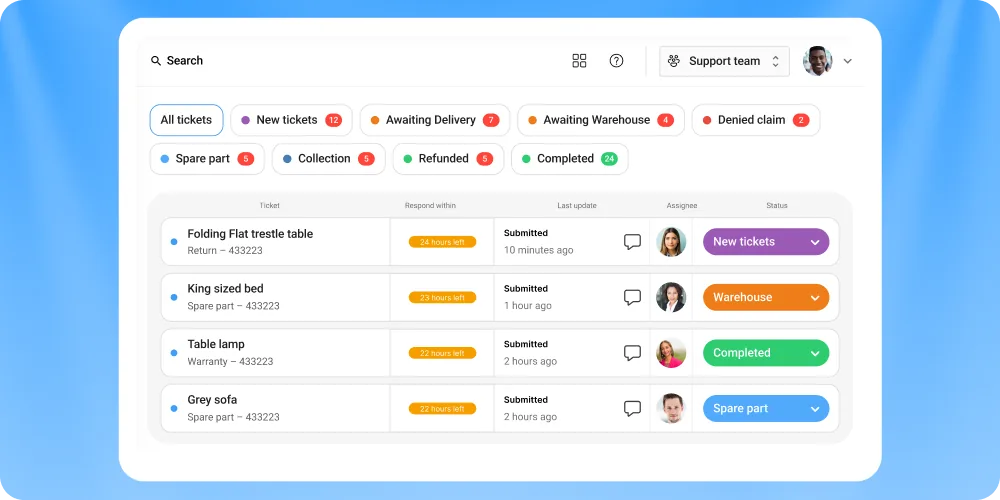
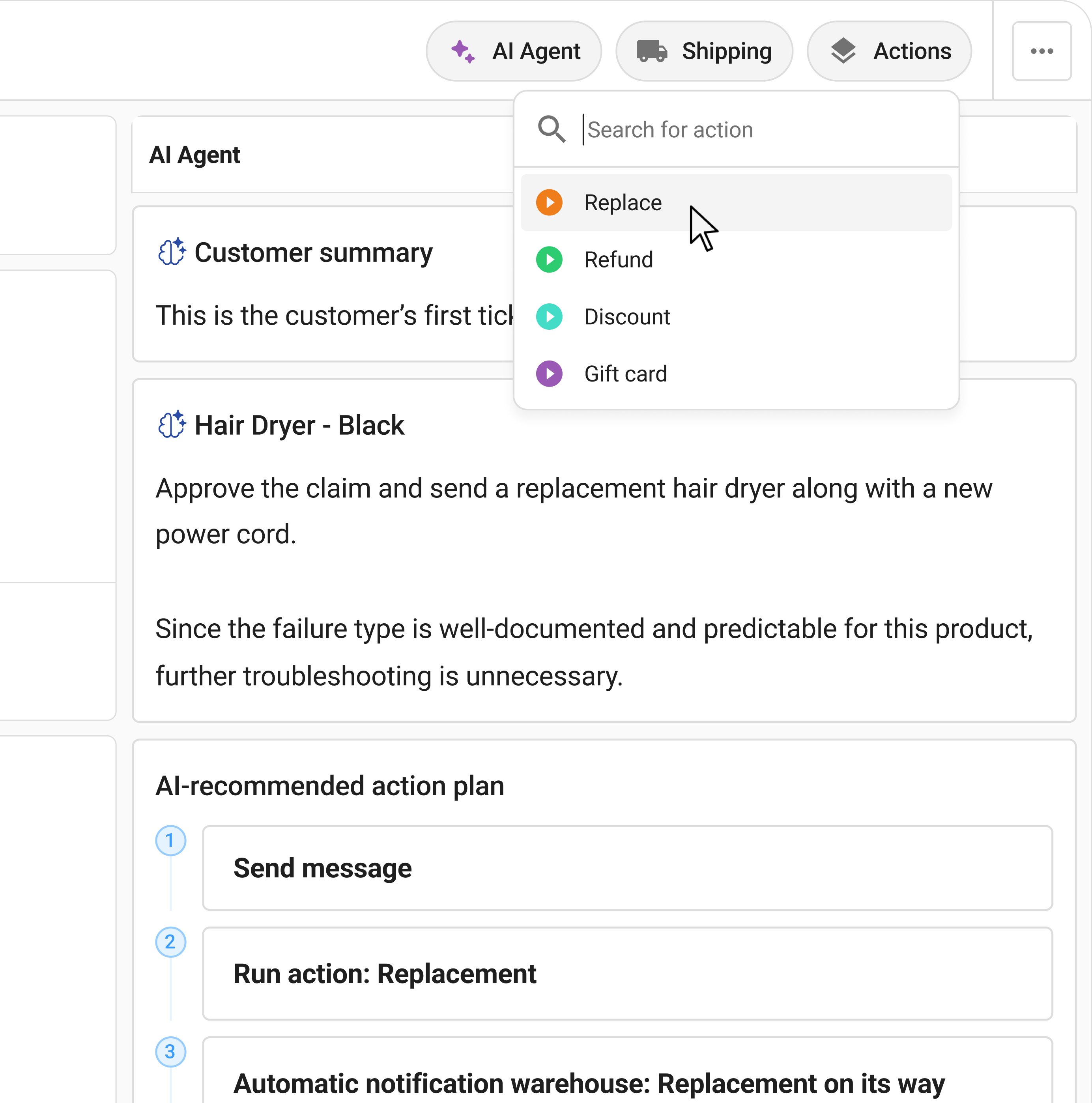
1. Claimlane (returns and warranty)
- Catches at-risk customers (open warranty case, ongoing return) and pauses Yotpo review requests until resolved.
- Triggers a review request once a claim is resolved positively, so the review reflects the full experience.
- Built on Claimlane's AI Agent, the first AI agent purpose-built for warranty claims and returns.
The sequence that ties reviews to reality: a customer files a return or warranty claim through Claimlane's self-service portal. Claimlane resolves it. Once the resolution is positive, the review request fires. Brands running this get review volume up and average rating up at the same time, because the negative-experience customers are no longer the loudest voice in the review feed.
Black Diamond, the climbing and outdoor brand, uses Claimlane to automate warranty claims and repair workflows. The Black Diamond case study covers the operational change in detail.
"We finally have warranty and repair workflows automated, so agents in the inbox can resolve cases without context-switching."
For brands evaluating the wider returns stack, see best returns software for ecommerce, best warranty management software, and best post-purchase software for ecommerce.

2. Klaviyo
Klaviyo is the default email engine for most Shopify-Yotpo brands. The integration moves Yotpo review and loyalty events into Klaviyo, where they trigger flows. A 5-star review can send a thank-you sequence. A 1-star review can route to a service team. A loyalty tier upgrade can send a VIP welcome.
The pattern that works: stop sending a generic post-purchase email and start sending a sequence based on review sentiment and loyalty status. See best Klaviyo integrations for ecommerce for the wider Klaviyo stack.
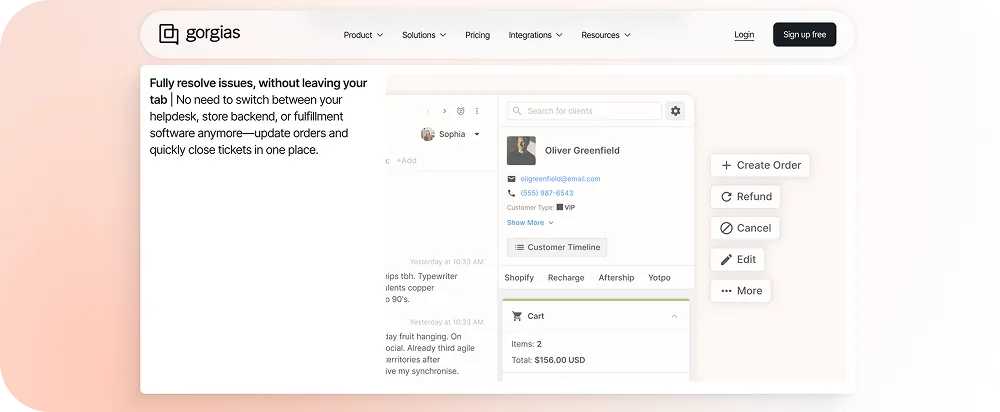
3. Gorgias
Reviews and support tickets pulled into one customer view. A negative review on a product is often the first sign of a support issue. With Gorgias, the support team sees the review next to the ticket history and resolves both in one conversation.
For brands evaluating helpdesk alternatives, see Gorgias alternatives and Gorgias integrations for ecommerce 2026.
4. Recharge
Subscriptions and reviews work better together. Recharge passes subscription milestones (1st, 3rd, 6th delivery) into Yotpo, which can ask for a review at the right moment or grant loyalty points for sticking with the subscription. The brands using this well see review volume on subscription products run 3-5x higher than on one-off purchases.
5. Postscript
A dedicated SMS platform for brands that have outgrown Yotpo SMSBump's automation. Postscript integrates with Yotpo for review request SMS, loyalty point updates, and abandoned-cart recovery. Many brands run both for a transition period before consolidating.

6. Shopify
This is the integration nobody installs separately because every Yotpo customer already runs it. What matters is what flows through it: order numbers, product IDs, customer IDs, and timestamps. Yotpo uses all four to decide when to ask for a review, who qualifies for loyalty rewards, and which products to push in UGC.
The risk most brands ignore: Yotpo asks for reviews based on Shopify's fulfillment event. That fires when the carrier picks up the package, not when the customer receives it. Brands tightening review collection should pair Shopify with shipping or returns data to delay the request until the customer has actually used the product. For the broader Shopify post-purchase stack, see best Shopify tools.
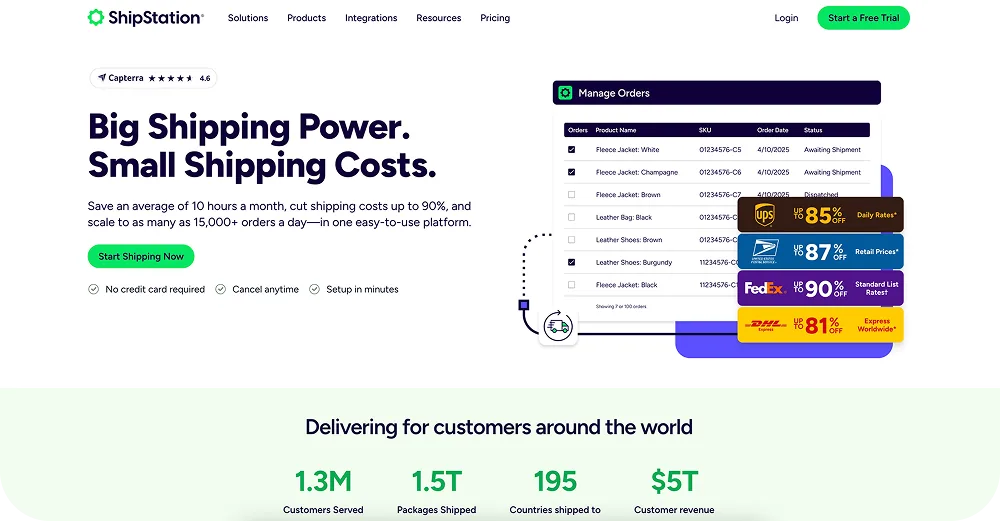
7. ShipStation
Shipping events drive review timing. ShipStation pushes delivery confirmations into Yotpo so the review request fires after the customer actually received the product, not before. Brands tracking review volume per shipping carrier also use this integration to spot when one carrier's delays drag down review timing.
For the broader shipping context, see how prepaid return labels work.
8. Triple Whale
Attribution for the post-purchase stack. Triple Whale pulls Yotpo review counts and loyalty redemption data into a single dashboard alongside ad spend and revenue. Marketing teams use it to see which campaigns produce customers who write reviews versus customers who churn after one order.
9. Meta Ads
The star-rating integration. Yotpo pushes product ratings into Meta's dynamic product ads, so the carousel shows a 4.7-star rating under each item. Click-through rates on rated ads run 15-30% higher than unrated ones for most brands.
10. Google Shopping
Seller ratings and product ratings in Google Shopping results. Yotpo sends review data to Google through the merchant feed, which surfaces the rating in shopping ads and organic results. The catch: Google requires a minimum review count per SKU before showing the rating, so newer products take time to qualify.
11. Tapcart
The native mobile app builder. Tapcart pulls Yotpo reviews and loyalty points into the iOS and Android app. For brands with 30%+ mobile app revenue, this integration is non-negotiable. The review widget inside the app drives 2x the conversion rate of the web review widget on most stores.
Integrations Yotpo brands skip
The Yotpo app store has dozens of apps. Most do not earn the seat. The categories brands skip:
- Generic personalization plugins: Klaviyo and Triple Whale cover this better.
- Yotpo-to-Yotpo cross-promotion apps: they add UI clutter without moving metrics.
- One-way Zapier flows: brittle and slow compared to native integrations.
- Affiliate platforms that do not match Shopify customer IDs: the attribution breaks.
Where returns and warranty fit
The post-purchase moment is the one Yotpo brands tend to under-resource. Reviews collect 7-14 days after purchase, which is exactly when warranty and returns issues surface. A brand without a fast warranty workflow ends up with reviews like "product broke after a week, no one answered support" sitting at the top of the product page.
Claimlane plugs this gap. The Claimlane integrations page lists the connectors that pair with Shopify and Yotpo brands' existing tools. For specific contexts, see B2B warranty claims, ecommerce warranty, and the warranty management software overview.
Claimlane is rated 4.8/5 on G2.
How to pick the right integration stack
Four rules that hold up across most Yotpo brands:
- Pick tools that share data both ways. Read-only feeds become silos.
- Pick fewer tools. Six well-integrated apps beat twelve loosely connected ones.
- Pick by use case, not feature list. A tool that reduces "where is my order" tickets is worth more than one with 100 features.
- Pick a returns or warranty tool before adding more marketing layers. Bad post-purchase kills marketing spend faster than anything else.
For the broader ecommerce automation context, see ecommerce automation and after-sales automation stack.
Industries where this stack works best
Outdoor and sporting goods. Black Diamond and similar brands run high warranty volumes. Pairing Yotpo with Claimlane and Gorgias gives the support team a single view across reviews, tickets, and active claims.
Fashion and apparel. Sizing exchanges drive return volume. Yotpo reviews surface size-related sentiment, which a returns tool can route into product page corrections.
Subscription brands. Recharge milestones drive review timing. Yotpo loyalty rewards drive subscription retention. The two together lift LTV more than either does alone.
Furniture. Long delivery windows and high-value items make post-purchase support critical. Reviews collected after the first complaint is resolved tell the real story.
Common mistakes Yotpo brands make with integrations
- Asking for reviews too early. Before the customer has used the product, the review is on packaging, not quality.
- Ignoring the warranty path. A customer with an open warranty claim should not see a review request. Most stacks miss this rule.
- Running two SMS platforms. Yotpo SMSBump plus Postscript creates duplicate sends. Pick one for production.
- No attribution between reviews and ad spend. Without Triple Whale or a similar layer, marketing teams cannot see which campaigns produce reviewers.
- Letting one negative review stay at the top of the page for a week. Reply, resolve, and follow up. The reply matters as much as the rating.
For the broader review and trust framework, see post-purchase experience and customer loyalty and customer retention after returns.
Measuring whether your stack is working
Five numbers to watch monthly.
- Review volume per 100 orders. Higher is better.
- Review-to-claim ratio. A drop here means the warranty path is intercepting issues before they hit the review page.
- Time to first review. Shorter is better, but only if it follows actual product use.
- Loyalty redemption rate. Tracks whether the integration is producing repeat customers.
- Negative review reply time. Under 24 hours is the bar.
FAQ
Conclusion
The Yotpo brands that win the post-purchase moment do not buy more tools. They connect the ones they have. Reviews, support, subscriptions, and warranty claims all live in the same customer story. The integrations that work are the ones that pass data both ways and close the loop before a customer writes a negative review they would not have written if the issue had been handled.
Book a demo to see how Claimlane fits into a Yotpo stack.