.webp)
Running ecommerce support today feels very different than it did five years ago.
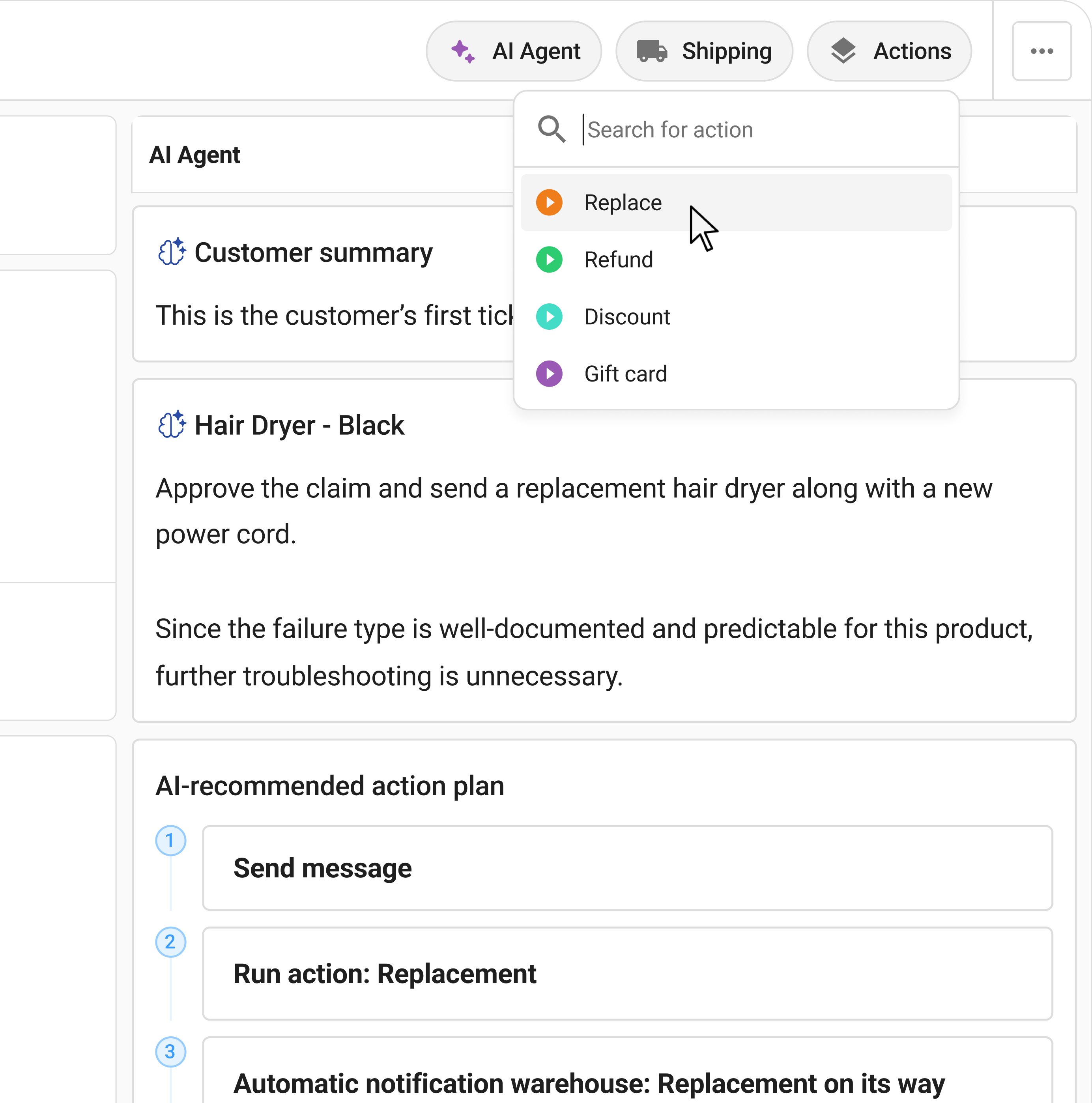
Customers expect fast answers. They want order updates instantly. Refunds should happen in minutes, not days. And if something goes wrong with a delivery, they want the brand to solve it before they even ask.
That pressure has pushed many ecommerce brands toward Gorgias, one of the most popular helpdesk platforms built specifically for online stores.
But the real power of Gorgias does not come from the helpdesk itself. It comes from the ecosystem around it.
The right Gorgias integrations connect your store, shipping tools, marketing platforms, and payment providers into a single support workspace. Agents can see orders, issue refunds, track shipments, and trigger campaigns without leaving the ticket.
The result is faster support, fewer manual tasks, and a much better customer experience.
In this guide, we’ll walk through the best Gorgias integrations for ecommerce in 2026, how they work, and how to choose the right stack for your store.
What Is Gorgias and Why Integrations Matter for Ecommerce
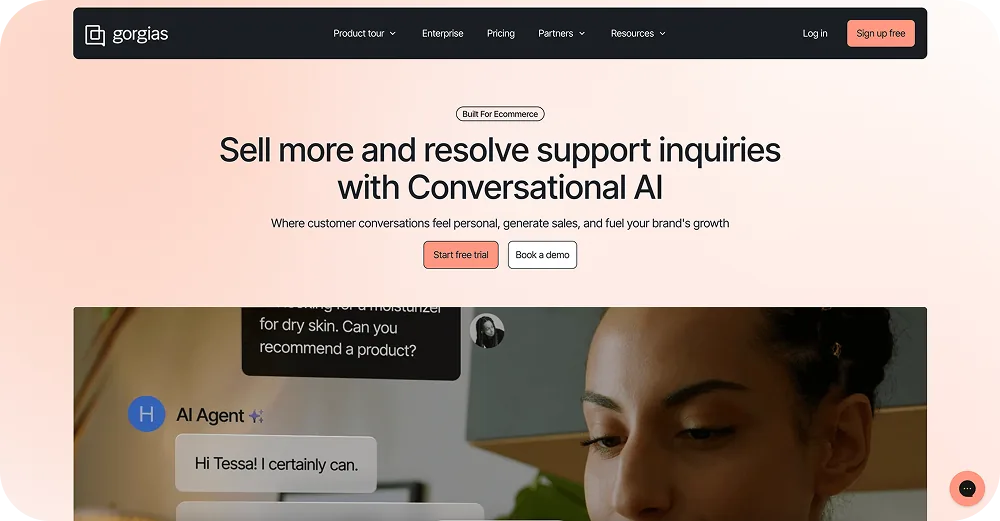
Overview of Gorgias Helpdesk
Gorgias is a customer support platform designed specifically for ecommerce brands.
Unlike traditional helpdesk software, it connects directly to store data, which allows support agents to handle customer issues without constantly switching between tools.
The platform focuses on three key areas:
Support automation
Teams can create rules that automatically tag tickets, suggest responses, or trigger workflows. Common questions like order status or return requests can often be handled without human intervention.
Ecommerce-focused customer service
Gorgias pulls in order data, shipping status, and customer history directly into the support ticket. Agents can refund orders, cancel shipments, or update addresses without opening another dashboard.
Multichannel communication
Customer conversations from multiple channels appear in one place, including:
- Live chat
- Facebook Messenger
- SMS
For fast-growing ecommerce brands, this centralization saves hours every week.
Why Integrations Are Critical for Ecommerce Support
A helpdesk on its own is useful. But a connected helpdesk is transformational.
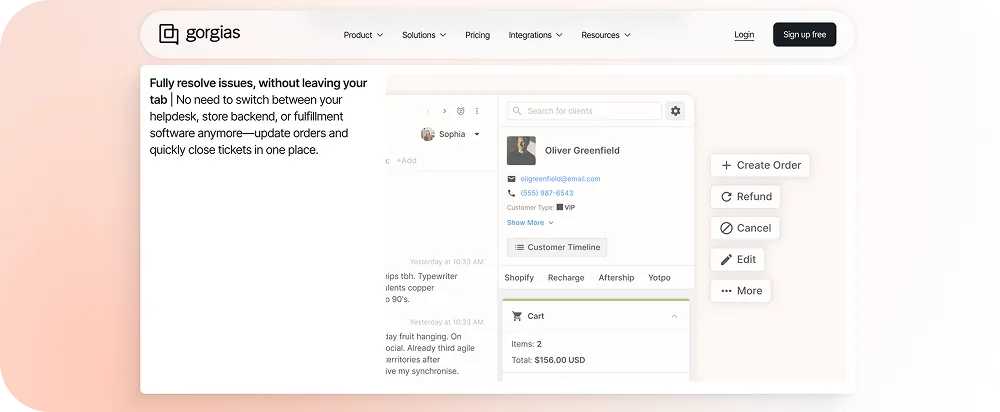
When ecommerce tools are integrated into Gorgias, support agents gain access to critical information instantly.
That leads to several major improvements.
Centralized data
Agents can view customer profiles, orders, subscriptions, and shipping data in one ticket.
Automated workflows
Support rules can trigger actions in other tools like refunds, email flows, or loyalty rewards.
Reduced response times
Customers get answers faster because agents no longer have to search through multiple dashboards.
Better customer experience
Fast responses, proactive support, and personalized service all increase customer satisfaction.
For ecommerce brands handling hundreds or thousands of tickets per day, integrations quickly become essential.
How Gorgias Integrations Work
Gorgias integrations generally fall into three categories.
Native apps
These are official integrations built directly by Gorgias or the partner platform. Shopify and Klaviyo are examples.
API integrations
Developers can connect custom systems using Gorgias’ API to send data or automate workflows.
Middleware integrations
Tools like Zapier or Make allow brands to connect apps that don’t have native integrations.
Most ecommerce brands rely on a mix of all three.
Types of Gorgias Integrations Ecommerce Brands Use
Ecommerce support touches almost every part of the business. Because of that, the best Gorgias apps usually fall into several categories.
Ecommerce Platform Integrations
The most important integration is always the store platform itself.
These connections allow agents to access order data inside support tickets.
Popular platforms include:
- Shopify
- BigCommerce
- Magento
With these integrations, agents can refund orders, cancel shipments, or update customer information directly within Gorgias.
Marketing and Email Integrations
Support conversations often create marketing opportunities.
For example, a customer who contacts support after abandoning a cart might be a perfect candidate for a win-back campaign.
Marketing integrations allow brands to:
- Trigger automated email flows
- Access customer segments
- Add support tags to marketing profiles
The most common integrations include:
- Klaviyo
- Mailchimp
Shipping and Logistics Integrations
Shipping questions generate a huge portion of ecommerce support tickets.
Integrating shipping tools allows agents to instantly check delivery status and resolve issues.
Popular tools include:
- ShipStation
- AfterShip
These integrations help teams answer questions about tracking, delays, or lost packages much faster.
Payments and Fraud Tools
Payment issues are another common support request.
Integrations with payment processors allow agents to:
- Process refunds
- Check payment status
- Review transaction history
Common payment integrations include:
- Stripe
- PayPal
Customer Data and CRM Tools
Some ecommerce brands connect Gorgias to CRM platforms for deeper customer insights.
These integrations provide access to:
- Customer lifetime value
- purchase history
- account notes
Examples include:
- HubSpot
- Salesforce
Best Gorgias Ecommerce Integrations in 2026
Many apps connect to Gorgias, but only a handful truly transform ecommerce support workflows.
Below are some of the most impactful integrations ecommerce brands are using in 2026.
How These Integrations Were Selected
The integrations in this list were chosen based on several factors:
- Strong automation capabilities
- High adoption among ecommerce brands
- Ability to reduce support workload
- Clear improvements to customer experience
The goal is not just adding more tools. It is building a smarter support stack.
| Integration | Category | Key Use Case | Pricing |
|---|---|---|---|
| Shopify | Ecommerce | Order data and support actions inside tickets | Included |
| Klaviyo | Marketing | Customer segmentation and automated email flows | Paid tiers |
| Recharge | Subscriptions | Manage subscription orders and billing updates | Paid |
| Loop Returns | Returns | Automated returns and exchange workflows | Paid |
| AfterShip | Shipping | Shipment tracking and delivery notifications | Freemium |
| Stripe | Payments | Payment history and refund processing | Transaction fees |
| Claimlane | Post-Purchase | Handle delivery issues, damaged products, and shipping claims | Platform pricing |
Shopify Integration With Gorgias
For most ecommerce brands, Shopify is the most important Gorgias integration.

Capabilities
The integration allows Gorgias to display Shopify data directly inside support tickets.
Agents can see:
- Customer order history
- Shipping information
- Order values
- purchase frequency
They can also take actions directly within the ticket.
These actions include:
- Canceling orders
- Issuing refunds
- Editing addresses
This dramatically reduces the time required to resolve common support issues.
Pricing
The Shopify integration is included when connecting your Shopify store to Gorgias.
Use Cases
Some common workflows include:
Order tracking support
Agents can instantly check order status without leaving Gorgias.
Refund automation
Refunds can be triggered directly from the support ticket.
VIP customer prioritization
Customers with high lifetime value can automatically be flagged for priority support.
Klaviyo Integration for Customer Support and Marketing
Support interactions often create valuable marketing signals.
That’s why the Gorgias Klaviyo integration is so powerful.

Capabilities
When connected, Gorgias can access Klaviyo customer profiles and segments.
Support teams can:
- View email engagement history
- Trigger automated email flows
- Tag customers based on support interactions
For example, if a customer complains about a delayed shipment, they can automatically enter an apology or discount flow.
Pricing
Klaviyo pricing depends on email list size and message volume.
Most ecommerce brands use tiered plans that scale as their audience grows.
Use Cases
Win-back campaigns
Customers who contact support after a bad experience can receive personalized recovery offers.
Post-support marketing
Support interactions can trigger follow-up campaigns or product recommendations.
Loyalty segmentation
Support tags can help identify loyal customers for future promotions.
Recharge Integration for Subscription Ecommerce
Subscription ecommerce introduces a whole new set of support requests.
Customers want to change delivery schedules, pause shipments, or update billing details.

The Gorgias Recharge integration makes that easy.
Capabilities
Agents can manage subscriptions directly inside Gorgias.
Actions include:
- Pausing subscriptions
- Canceling recurring orders
- Updating payment details
- Modifying delivery schedules
This removes the need for support agents to access the subscription platform separately.
Pricing
Recharge offers subscription-based pricing depending on the size of the store and features used.
Use Cases
Subscription support
Customers can adjust subscription settings through support conversations.
Billing issues
Agents can quickly resolve failed payments or billing errors.
Retention workflows
If a customer wants to cancel, agents can offer alternative options such as pausing deliveries.
Loop Returns Integration for Returns Automation
Returns are one of the most expensive and time-consuming parts of ecommerce support.
The Gorgias Loop Returns integration helps automate that process.

Capabilities
Loop allows support agents to manage return requests inside Gorgias.
Agents can:
- Create return labels
- Track return status
- Issue refunds or exchanges
Automation rules can also trigger returns workflows without manual intervention.
Pricing
Loop Returns offers pricing based on return volume and features.
Use Cases
Returns management
Customers requesting returns can be handled quickly through automated flows.
Refund automation
Refunds can be triggered once returned items are processed.
Exchange handling
Agents can help customers swap products without leaving the support dashboard.
AfterShip Integration for Shipping Support
Shipping questions are among the most common ecommerce support tickets.
The Gorgias AfterShip integration helps teams resolve these questions quickly.

Capabilities
The integration provides real-time shipment tracking inside Gorgias.
Agents can instantly see:
- Tracking numbers
- Delivery status
- Estimated arrival dates
Automated responses can also send tracking updates directly to customers.
Pricing
AfterShip offers a freemium model with paid tiers for advanced features.
Use Cases
Order tracking questions
Agents can provide immediate tracking updates.
Delivery issue resolution
Delayed shipments can be identified quickly.
Customer communication
Customers receive automated tracking notifications.
Claimlane Integration for Post-Purchase Issues
Shipping damage, lost packages, and delivery problems are some of the most frustrating experiences for ecommerce customers.
This is where Claimlane becomes a powerful addition to the Gorgias ecosystem.

Claimlane focuses specifically on post-purchase issues like damaged products, delivery disputes, or missing items.
Capabilities
When connected with Gorgias, Claimlane allows support teams to manage claims without long email chains or manual investigation.
Customers can submit visual claims directly, including photos of damaged items.
Support teams can then:
- Review claims quickly
- Verify issues with visual evidence
- Approve replacements or refunds
- Track resolution progress
All of this reduces back-and-forth conversations and speeds up issue resolution.
Pricing
Claimlane pricing depends on order volume and claim processing needs.
Use Cases
Shipping damage claims
Customers upload images of damaged products, allowing support teams to verify issues instantly.
Lost package investigations
Claims workflows help teams track and resolve delivery problems faster.
Fraud prevention
Visual claim verification helps reduce fraudulent refund requests.
For ecommerce brands dealing with high shipping volumes, integrating Claimlane into Gorgias can dramatically reduce claim handling time.
Stripe Integration for Payment Support
Payment issues can quickly turn into frustrating support experiences.

The Gorgias Stripe integration helps agents resolve these cases faster.
Capabilities
Stripe data appears directly inside Gorgias tickets.
Agents can see:
- Payment history
- Transaction status
- Billing information
They can also initiate refunds without switching platforms.
Pricing
Stripe uses transaction-based pricing depending on payment method and region.
Use Cases
Payment disputes
Agents can review transaction details and assist customers.
Refund processing
Refunds can be triggered directly from support tickets.
Billing inquiries
Customers asking about charges can receive quick answers.
Loyalty and Rewards Integrations
Loyalty programs create strong customer retention, but they also generate support questions.
Two common loyalty integrations include Smile.io and LoyaltyLion.
Smile.io
Capabilities
Smile.io connects loyalty data with Gorgias.
Support agents can see customer reward points and apply loyalty adjustments.

Pricing
Smile.io offers several pricing tiers depending on features and store size.
Use Cases
- Points redemption issues
- Reward balance questions
- Loyalty promotions
LoyaltyLion
Capabilities
LoyaltyLion integrates loyalty profiles into support tickets.
Agents can reward customers instantly for support interactions.

Pricing
Pricing varies based on store size and loyalty program features.
Use Cases
- Customer retention rewards
- VIP customer perks
- Support recovery incentives
How to Choose the Right Gorgias Integrations for Your Store
Not every ecommerce brand needs the same integrations.
Choosing the right stack starts with understanding your support workflow.
Evaluate Customer Support Workflows
Look at how your support team currently handles tickets.
Which tools do agents open most frequently?
Those platforms are usually the best integration candidates.
Identify High-Volume Ticket Types
Some ticket types appear constantly.
Common examples include:
- Where is my order
- Refund requests
- Delivery issues
Integrations should target the most frequent support issues first.
Prioritize Automation Opportunities
Automation can dramatically reduce support workload.
Focus on integrations that allow automated workflows.
Examples include:
- Shipping notifications
- Return approvals
- Refund processing
Consider Scalability
As your ecommerce brand grows, support volume will increase.
Choose integrations that scale with your business.
Integration Compatibility
Before adding tools, make sure they work well together.
A simple and connected stack often performs better than a complicated one.
Best Gorgias Automation Workflows Using Integrations
When integrations are configured properly, they unlock powerful automation workflows.
Here are a few examples.
Automated Order Status Responses
Shipping integrations can automatically respond to order status inquiries with tracking details.
This alone can eliminate thousands of tickets.
Refund Automation
Refund requests can trigger workflows that automatically issue refunds after approval.
Customer Segmentation Automation
Support tags can send customers into marketing segments for follow-up campaigns.
Fraud and Payment Alerts
Payment integrations can flag suspicious transactions for review.
Shipping Delay Automation
Delayed shipments can trigger proactive support messages before customers complain.
Common Mistakes When Setting Up Gorgias Integrations
Even powerful integrations can fail if implemented poorly.
Here are some common mistakes to avoid.
Over-Integrating Tools
Adding too many tools can create unnecessary complexity.
Focus on integrations that directly improve support workflows.
Poor Workflow Design
Automation rules should be clear and logical.
Poorly designed workflows can cause incorrect responses or confusion.
Lack of Agent Training
Agents must understand how integrations work to use them effectively.
Ignoring Automation Rules
Many teams set up integrations but fail to configure automation properly.
That leaves much of the potential value untapped.
Future of Gorgias Integrations in Ecommerce
Ecommerce support is evolving quickly.
Several trends will shape the future of ecommerce helpdesk automation.
AI-Powered Support Automation
AI tools will increasingly handle common support questions automatically.
Predictive Customer Service
Support platforms will identify potential issues before customers report them.
Conversational Commerce Integrations
Messaging platforms will become direct shopping channels.
Support conversations will increasingly drive sales.
Content Gap Opportunities Most Articles Miss
Many articles discuss integrations but fail to show how they work together.
The real advantage comes from combining them into a smart support stack.
Real Ecommerce Workflow Example
A typical ecommerce automation stack might look like this:
- Shopify for store data
- Klaviyo for marketing
- Recharge for subscriptions
- Gorgias for support
- AfterShip for tracking
- Claimlane for claims management
Together, these tools allow brands to automate much of the customer support process.
Automation Playbooks
Brands can build playbooks for common issues like:
- Damaged deliveries
- Subscription cancellations
- Late shipments
- Refund requests
ROI of Customer Support Automation
Support automation can significantly reduce operational costs while improving customer satisfaction.
Faster responses also increase retention and repeat purchases.
Glossary of Ecommerce Support Terms
Helpdesk
A helpdesk is a platform used to manage customer support conversations across multiple channels.
Customer Support Automation
Automation uses rules and workflows to resolve support issues automatically without manual intervention.
Ecommerce CRM
A customer relationship management system designed specifically for ecommerce businesses.
Ticketing System
A ticketing system organizes support conversations into structured requests that agents can track and resolve.