Ask five vendors what a post-purchase platform is and get five answers, each shaped like the product they sell. A tracking company says it is branded shipment tracking. A returns app says it is exchanges and refunds. A warranty vendor says it is protection plans. An upsell tool says it is post-checkout offers.
They are all describing one corner of the same category. Post-purchase is one label doing the work of four separate jobs, and the confusion is expensive, because a brand buys the platform that markets best and inherits the corner that vendor happens to cover.
The pattern repeats. A brand picks a post-purchase platform, the demo looks complete, and six months later the thing it actually needed, complex warranty claims, supplier recovery, repair flows, turns out to be the one job the platform only pretended to do. The demo looked complete because the hard job was hidden.
The four jobs hiding under one label
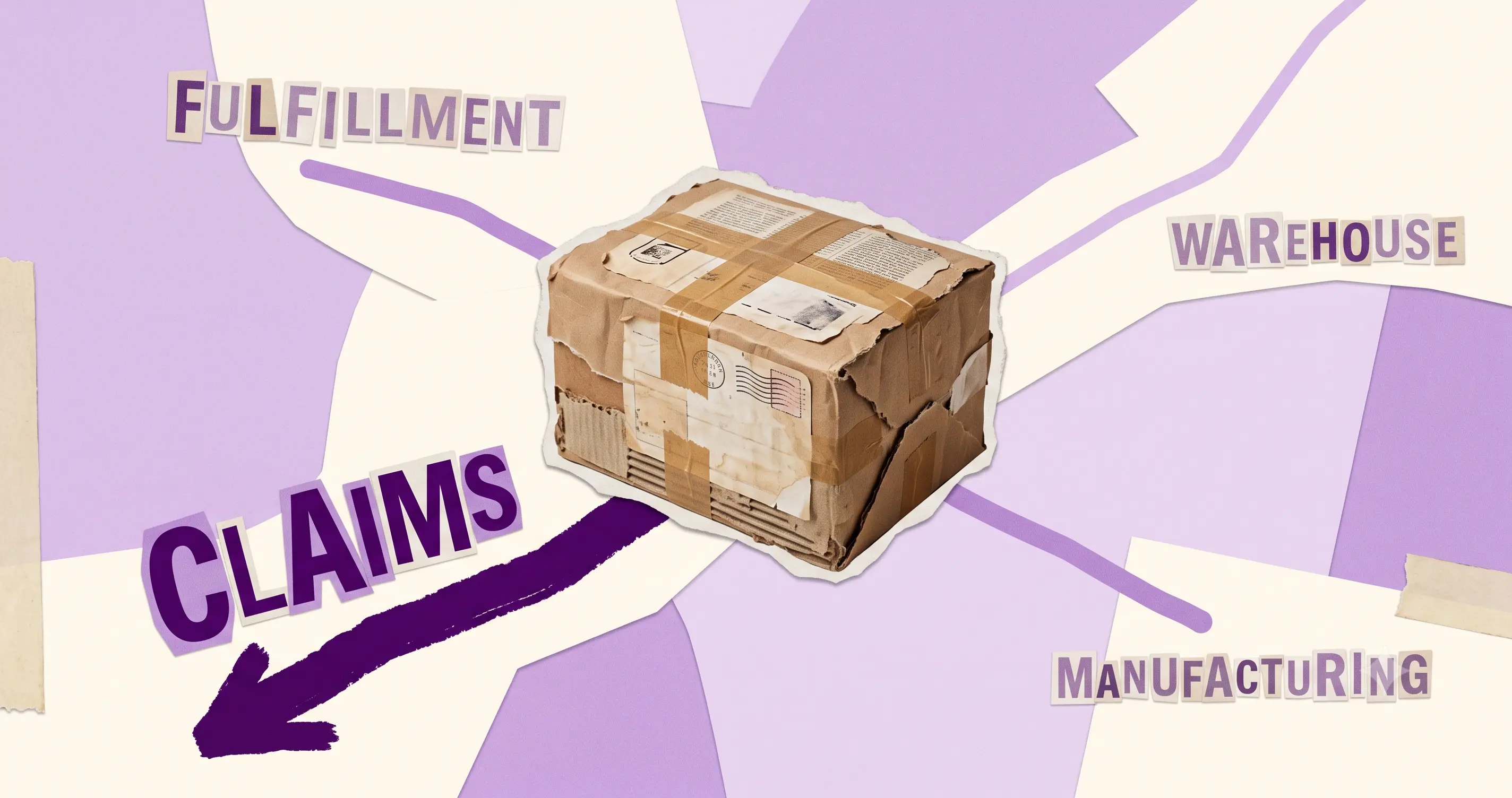
Strip the marketing away and post-purchase breaks into four jobs. Each has its own leaders, and each solves a different problem.
Branded tracking pages, delivery updates, fewer "where is my order" tickets.
Self-service returns, exchange-first flows, refund and store-credit handling.
Photo-evidence claims, warranty validation, repairs, supplier cost recovery.
Post-checkout upsells, reviews, loyalty, subscription nudges.
The wider view of what happens after checkout sits in the ecommerce post-purchase experience, and why it drives repeat buying is covered in post-purchase experience and customer loyalty and the behaviour behind it in post-purchase behavior.
Why one platform rarely does all four
The four jobs look adjacent but need different foundations, which is why one tool rarely does all four to the same standard.
Tracking is a communications problem. Returns are a logistics and refund problem. Marketing is a conversion problem. Warranty and claims are an evidence-and-decision problem, and that last one is the hardest to fake, because a tracking page cannot validate a broken zipper against a supplier warranty term. A platform built for one foundation can bolt on a thin version of the others, but the depth is not there. Comparing the actual depth is the point of Claimlane's best post-purchase software guide, and the full stack context sits in the ecommerce technology stack guide.
The decision framework: match complexity to platform type
The choice gets simple when a brand stops asking which platform is best and starts asking which job dominates its post-purchase load.
| If the dominant job is... | The platform type is... | Choose when |
|---|---|---|
| Reducing delivery anxiety and WISMO tickets | Tracking / delivery CX | Shipping is the main complaint, claims are simple |
| Fast size and change-of-mind returns | Returns / exchange app | Fashion or DTC, exchange-first, low defect rate |
| Photo-evidence warranty, repairs, supplier claims | Warranty / claims platform | Real defect and warranty volume, B2B or dealer flows |
| Post-checkout revenue | Post-purchase marketing | High repeat-buy potential, upsell headroom |
Most brands have a primary job and a secondary one. The framework is not about buying four tools, it is about knowing which one is the anchor and which are add-ons, so the anchor is chosen for depth rather than demo polish.
Tier one: tracking and post-purchase CX
The first tier owns the delivery window. Its job is to keep the customer informed between checkout and doorstep.
Narvar, parcelLab, and AfterShip lead here, turning the carrier's tracking into a branded experience and cutting the "where is my order" queries that flood support. Brands weighing them can read Narvar alternatives and parcelLab alternatives, and the WISMO problem itself is covered in reducing where-is-my-order queries. This tier is real value, but it ends at delivery. It does not handle what happens when the product itself is wrong.
Tier two: returns and exchanges
The second tier owns the return. Its job is to make sending something back, and swapping it, easy enough that the customer stays.
Loop and ReturnGO lead the exchange-first lane, keeping revenue in with store credit and swaps instead of refunds. Brands comparing them can read Loop Returns alternatives and ReturnGO alternatives, and the revenue logic sits in exchange-first revenue retention. This tier is excellent for size-and-fit returns. It is built for a change of mind, not a broken product, and the two are different jobs. The wider returns-software field sits in the best returns software guide.
Tier three: complex warranty, repairs, supplier claims
The third tier owns the claim. Its job starts exactly where tracking and returns stop: when the product is faulty, the warranty term matters, and money is owed up the supply chain.
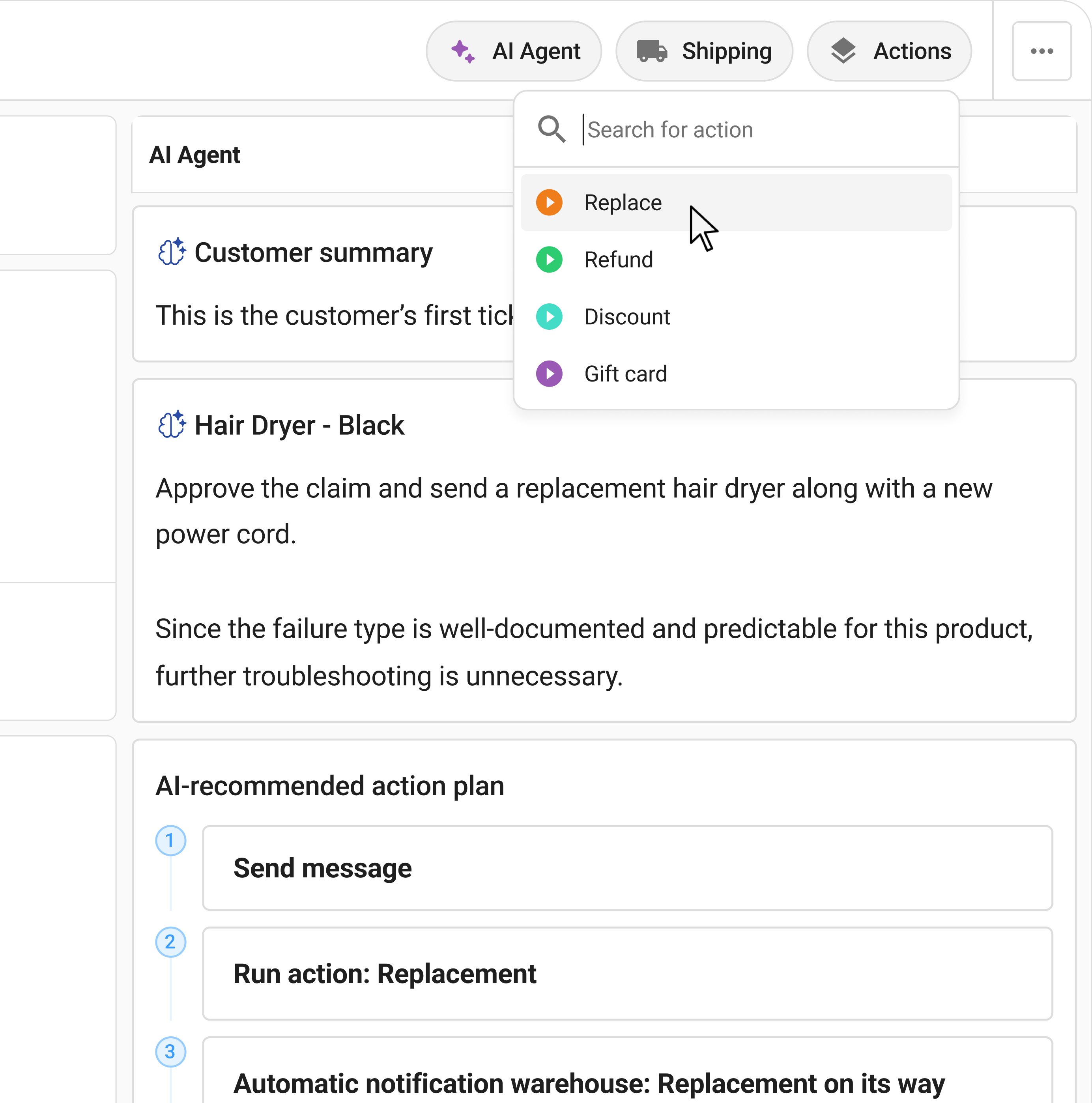
This is the tier the SERP forgets, and it is where Claimlane sits. A photo of a cracked frame checked against a supplier warranty term, a repair-or-replace decision, a credit recovered from the factory that made the defect, none of that fits a tracking page or an exchange app. It needs structured evidence, warranty rules per product and supplier, and a path to supplier recovery. The category context sits in extended warranty platforms and the buyer's guide in the best warranty management software for 2026. This is the specialist execution layer for complex post-purchase, the job simple returns apps are not built to do.
Matas, a large omnichannel retailer, runs its claims on Claimlane, handling the claim side of post-purchase in one structured flow across its channels.
Matas — read the case study
How the tiers coexist in a stack
The tiers are not rivals. A mature post-purchase stack often runs one from each, wired together.
A brand can run a tracking tool for delivery, an exchange app for size returns, and a claims platform for warranty and defects, all at once, each handling the job it is built for. The claims platform runs as the execution layer alongside the helpdesk and commerce stack, not underneath it, which is the difference between claims that stay consistent with the record of truth and claims that drift. Where a claims platform and a helpdesk divide the work is covered in Zendesk versus Claimlane, and the omnichannel version of the return flow sits in managing cross-channel returns and omnichannel returns with BORIS support.
Choosing by profile: three quick reads
Three common profiles cover most brands. Reading which one fits is faster than comparing feature lists.
Anchor on a returns and exchange app, add tracking. Claims are simple, so tier three is optional.
Anchor on a warranty and claims platform. Defects, repairs, and supplier recovery are the real load.
Anchor on a claims platform that handles hybrid flows, add tracking and returns as needed.
The hybrid B2B and D2C case is its own problem, covered in B2C and B2B claims management, and the industry-specific view for complex categories sits on the electronics and B2B pages.
A readiness check
A brand knows it needs the tier-three claims platform, not just tracking or returns, when these are true.
- 50+ warranty or defect claims per month, not just size returns
- Photo-required claims and repair-or-replace decisions
- Supplier or factory exposure with recoverable credit
- Both B2B and D2C claim flows
- A current tool that tracks or refunds but cannot validate a defect
The verdict
Here is the short version, by profile.
A fashion or DTC brand with easy returns should anchor on an exchange app and add tracking, because its post-purchase load is size swaps and delivery updates. A brand selling electronics, furniture, or sporting goods should anchor on a warranty and claims platform, because defects and supplier recovery are the expensive part and no tracking tool touches them. An omnichannel brand with dealers and both B2B and D2C flows should anchor on a claims platform built for hybrid cases, then layer tracking and returns on top. The choice was never which platform is best in the abstract. It is which of the four jobs the brand's complexity actually demands, chosen for depth instead of the demo. Brands still mapping their own load can start with what a returns management system is and the broader ecommerce returns view.
Claimlane holds a 4.8 out of 5 rating on G2. More outcomes sit in the case studies.
Frequently asked questions
What is a post-purchase platform?
It is software that manages the customer relationship after checkout. The category spans four jobs: shipment tracking and delivery communication, returns and exchanges, warranty and claims handling, and post-purchase marketing. Most platforms do one of these well, so the right choice depends on which job a brand's complexity demands.
Do I need one post-purchase platform or several?
Often several, wired together. A mature stack can run a tracking tool for delivery, an exchange app for size returns, and a claims platform for warranty and defects, each handling the job it is built for. The key is choosing the anchor for depth, not demo polish.
What is the difference between a returns app and a warranty platform?
A returns app handles size and change-of-mind returns with exchanges and refunds. A warranty platform handles faulty products: photo-evidence claims, warranty validation per product and supplier, repair or replace decisions, and supplier cost recovery. They solve different jobs and are often run together.
How do I choose a post-purchase platform?
Identify which of the four jobs dominates your post-purchase load, then choose the platform type built for that job as your anchor. Fashion and DTC usually anchor on returns; electronics, furniture, and sporting goods anchor on warranty and claims; omnichannel and B2B brands anchor on a claims platform that handles hybrid flows.