.webp)
Why subscription management software matters in 2026
Subscription management software runs the recurring side of ecommerce: it bills customers on a schedule, manages plans and upgrades, handles failed payments, and tries to keep subscribers from cancelling. For a brand built on subscription boxes, replenishment, or membership, it is the engine the whole model sits on.
Most subscription guides compare billing and churn tools and stop there. This one adds a piece those guides leave out. A subscriber does not just get billed, they get shipped a physical product every cycle, and physical products arrive damaged, arrive wrong, or fail. A return or warranty problem inside a subscription is worse than a one-off, because the subscriber is deciding every month whether to stay. This guide compares seven platforms for 2026 and weighs each on retention and on the post-purchase gap. For the wider context, the post-purchase experience guide and the ecommerce technology stack guide sit next to this comparison.
The best subscription management software at a glance
The table below compares the seven platforms in this guide. Claimlane is first because it covers the part of a subscription a billing tool does not touch: what happens when the physical product is wrong.
| Platform | Best for | Core focus | Pricing model |
|---|---|---|---|
| Claimlane | Returns and warranty for subscription brands | Post-purchase claims handling | Custom, by volume and modules |
| Recharge | Shopify subscription brands | Recurring billing on Shopify | Tiered plus transaction fee |
| Loop Subscriptions | Shopify brands wanting subscriber engagement | Subscriptions with bundling and rewards | Tiered plus usage |
| Ordergroove | Enterprise replenishment programs | Subscription and relationship commerce | Custom, enterprise |
| Chargebee | SaaS and product subscription billing | Recurring billing and revenue operations | Tiered, revenue-based |
| Recurly | Subscription brands focused on churn | Recurring billing and churn management | Tiered plus revenue |
| Stripe Billing | Brands already running on Stripe | Recurring billing within Stripe | Percentage of billing volume |
Pricing models change often, so brands should confirm current terms with each vendor. Fit matters more than headline price, and fit includes whether the platform leaves the brand to solve returns separately through a returns management system.
How this guide was built
This comparison is written for ecommerce brands running subscription boxes, replenishment, or membership models. Each platform was assessed on billing depth, retention tools, the commerce platforms it supports, and how it treats the physical product side of a subscription.
That last point is the editorial choice. A subscription is a recurring relationship, and recurring relationships are fragile. A subscriber who receives a damaged box, or who cannot get a faulty item replaced, does not just open a support ticket. They cancel. The link between a poor return experience and lost lifetime value is direct, which the customer lifetime value and returns guide sets out. So this guide treats the post-purchase gap as a retention issue, not a side note, and weighs it alongside the customer retention after returns evidence.
Claimlane
Claimlane is a returns and warranty management platform. It does not run recurring billing, and a subscription brand still needs a subscription platform for that. Claimlane is first in this guide because it handles the physical-product problems a subscription tool was never built to solve.
Why Claimlane
A subscription platform sees a subscriber as a billing record. It knows the plan, the next charge, and the cancellation risk. It does not know that last month's box arrived crushed, or that the device in the welcome kit stopped working. Those problems land in a support inbox, get handled inconsistently, and quietly raise churn.
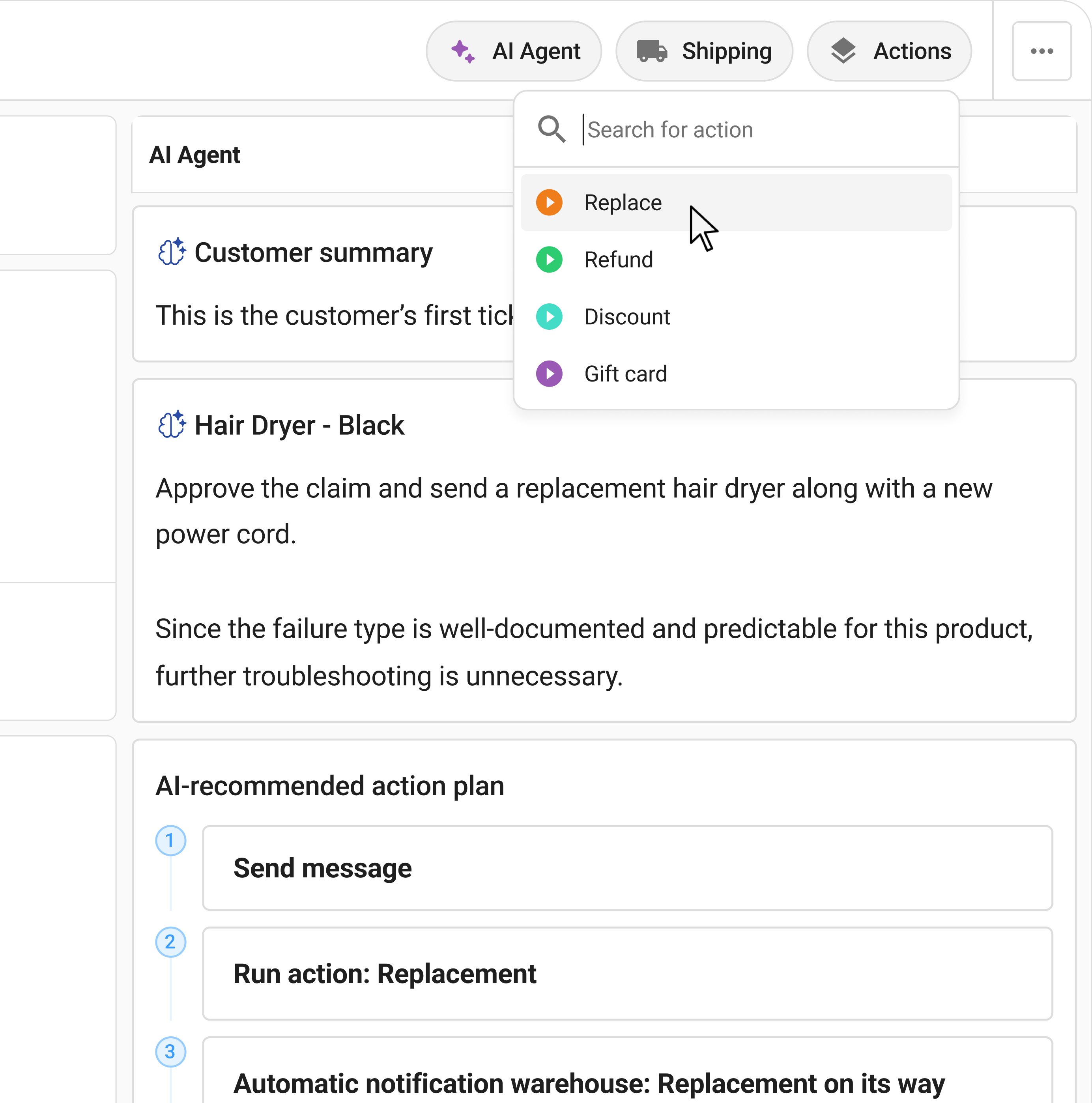
Claimlane gives the physical side of a subscription a real process. A subscriber reports a damaged or faulty item, the case runs through a structured flow, and the replacement or refund is issued fast, before the next billing cycle becomes a cancellation decision. Handling that moment well is part of the post-purchase experience that builds loyalty, which for a subscription brand is the whole game.
Pros and cons
Key features
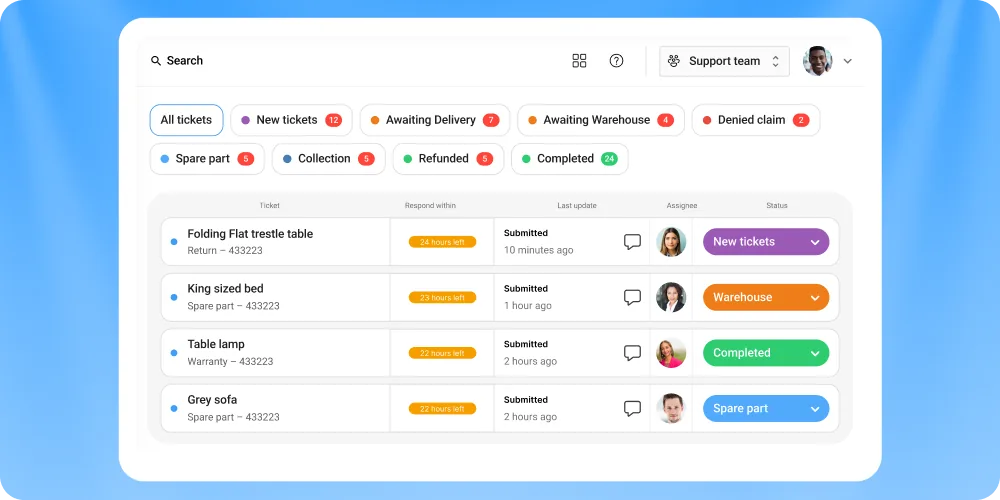
Claimlane runs the post-purchase case from intake to outcome. Subscribers file a return or warranty claim through the self-service portal with photos and order details. A workflow applies the rules per product and routes the case to a replacement, a refund, or a repair. For durable goods in a subscription, warranty registration ties each item to its cover. Claimlane analytics shows which products in the box drive the most cases, and fast refund automation keeps resolutions quick. With 75-plus integrations, it connects to the commerce and subscription stack covered in the best ecommerce integrations guide.
Pricing
Claimlane pricing is custom, based on claim volume and the modules a brand needs. There is no public per-seat price. A subscription brand can book a demo for a quote.
Claimlane in action
Claimlane works well for brands in the lifestyle and family categories where subscription and gifting overlap. The baby brand Sebra turned claims handling into a value-creating activity, the baby retailer BabySam built a claim experience that exceeds expectations, and the design brand Konges Sløjd cut warranty claim resolution time. Claimlane is rated 4.8 out of 5 on G2.
Recharge
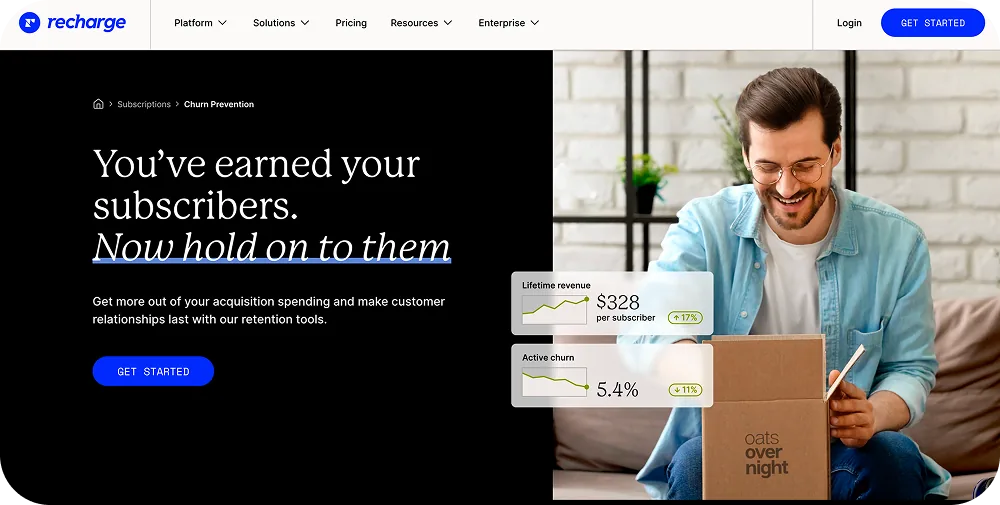
Recharge is one of the most established subscription platforms for Shopify brands. It handles recurring billing, subscriber management, and the customer portal where shoppers skip, swap, or pause a subscription, and it has a deep set of integrations around the Shopify checkout.
For a Shopify brand launching or scaling subscriptions, Recharge is a default choice. Its strength is breadth on the billing and subscriber side. Like other billing platforms, it does not run returns or warranty for the physical items in the box, so a brand pairs it with returns tooling. The Recharge integrations guide covers how it connects to the rest of the stack. Pricing is tiered with a transaction fee.

Loop Subscriptions
Loop Subscriptions is a newer Shopify-focused platform built around subscriber engagement. Beyond core billing, it leans into bundling, gamified rewards, and a richer subscriber portal, aiming to lift retention through experience rather than billing alone.
For a brand whose churn problem is engagement, Loop is worth a look. Its retention features are the draw. As with every billing tool here, the physical return and warranty side is not its job, and a damaged-box problem still needs a separate process. Loop suits Shopify brands that want subscriptions plus engagement tooling in one app. Pricing is tiered with a usage component.

Ordergroove
Ordergroove is an enterprise platform for subscription and what it calls relationship commerce. It is built for large brands running replenishment programs, where the goal is to convert one-time buyers into recurring ones at scale.
For an enterprise brand, Ordergroove offers depth in predictive replenishment and subscriber lifecycle that smaller tools do not. It is priced and scoped for enterprise, so it is heavy for a small brand. The post-purchase point still holds: at enterprise volume, a returns problem on a replenishment item is a retention risk, and the d2c ecommerce platforms and returns guide covers why that matters for direct brands.

Chargebee
Chargebee is a subscription billing and revenue platform used across SaaS and product subscriptions. Its strength is billing complexity: multiple plans, currencies, proration, tax, and revenue reporting, handled in one place.
For a brand with intricate billing needs, Chargebee carries that load well. It is more billing-and-finance focused than experience focused, so retention features are lighter than a Shopify-native engagement tool. Returns and warranty on physical goods sit fully outside its scope. Chargebee fits brands where the hard part of the subscription is the money, not the box. Pricing is tiered and revenue-based.
Recurly
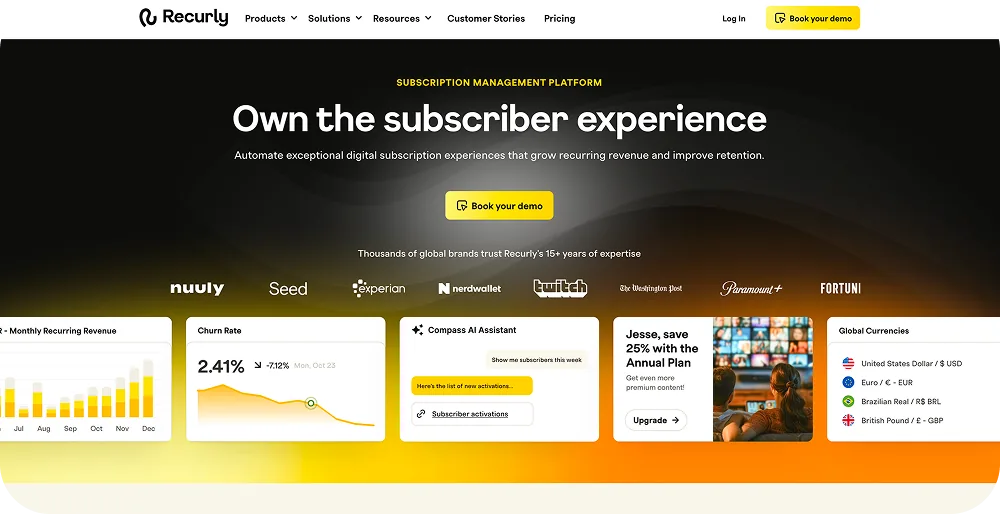
Recurly is a recurring billing platform with a strong focus on churn management. It handles subscriptions, failed-payment recovery, and dunning, and it markets heavily on reducing involuntary churn from declined cards.
For a subscription brand losing revenue to failed payments, Recurly's recovery tooling is the reason to choose it. It is billing-side software, so the physical product experience, including returns and warranty, is handled elsewhere. A brand should remember that voluntary churn, the subscriber who quits after a bad experience, needs a different fix than the involuntary churn Recurly targets, and a clean returns process is part of that. Pricing is tiered with a revenue component.

Stripe Billing
Stripe Billing is the recurring billing layer inside Stripe. For a brand already taking payments through Stripe, it adds subscriptions, invoicing, and usage-based billing without bringing in another vendor.
The appeal is consolidation: payments and billing under one provider, with one integration to maintain. Stripe Billing is developer-friendly and flexible, but it is billing infrastructure rather than a subscriber-experience product, so retention tooling is lighter and physical returns are entirely out of scope. It suits brands that value keeping the stack small. Pricing is a percentage of billing volume.
How to choose subscription management software
The right platform depends on the commerce platform, the model, and where the brand's hardest problem sits.
If the brand runs on Shopify and wants a proven default, Recharge fits. If the churn problem is engagement, Loop Subscriptions leans that way. If the brand is enterprise and replenishment-led, Ordergroove has the depth. If billing complexity is the challenge, Chargebee handles it. If involuntary churn from failed payments is the leak, Recurly targets it. If the brand is already on Stripe and wants a small stack, Stripe Billing consolidates it.
That pairing is the practical takeaway. A subscription lives or dies on whether the subscriber keeps choosing it, and the customer expectations pyramid shows how fast a single bad experience can undo months of good ones. Strong billing keeps the charge going out. Strong post-purchase handling keeps the subscriber willing to pay it, which is also how brands reduce returns over time.
Frequently asked questions
For the wider customer-experience picture, the best customer experience software guide covers the tools that sit around a subscription program.
Conclusion
Subscription management software keeps the recurring engine running: billing, plans, failed-payment recovery, and churn tools. The right platform depends on the commerce platform, the model, and whether the hardest problem is engagement, billing complexity, or involuntary churn.
The gap every option in this guide shares is the physical product. A subscription is a monthly vote, and a damaged box or an unresolved faulty item is one of the fastest ways to lose that vote. A brand shipping real goods should treat its returns and warranty layer as part of the subscription stack, not an afterthought, because the memorable customer experience that keeps subscribers is built on the bad moments handled well.
To see how Claimlane handles returns and warranty for subscription brands, book a demo.