Search misshipment and every result is a prevention lecture. Pick more accurately, keep inventory counts clean, check the labels. All correct, and all of it is advice for a box that has not shipped yet.
Prevention advice is cheap because it arrives too late. By the time a brand is searching the word, a customer already has the wrong item, and no amount of better picking helps the order sitting on the doorstep right now.
A misshipment the customer reports is not a shipping problem anymore. It is a claim. This is written for omnichannel retailers with dealer networks and multi-warehouse fulfillment, for the operations and finance leaders who pay for the wrong box twice, once to send it and once to fix it.
What a misshipment is
The word covers two different failures, one inside the warehouse and one inside the carrier network, and telling them apart decides who owns the fix. The what is a delivery exception guide covers the carrier side, and how to handle damaged-in-transit claims covers a neighboring failure that runs through the same claim path.
The part the prevention guides skip
Once a misshipment reaches a customer, the brand has three jobs at once. Get the correct item out fast, get the wrong item back, and record what happened so it does not repeat. The prevention guides cover none of these.
The cost is why it matters. A wrong-item order often costs a brand the second shipment, the return of the first, and the support time to coordinate both, which together can run to several times the margin on the original order. The hidden costs of returns and claims piece covers that stacking, and ecommerce returns time to resolution covers why the speed of the fix decides whether the customer stays.
Types of misshipment, and why the type matters
The type decides the resolution and who is accountable. A pick error is a warehouse problem. A wrong address is often an order-data problem. A carrier mis-sort is neither.
Tagging the type at intake is what makes the later data useful, and the returns reason codes guide covers building those tags. Where the wrong item has to come back before a refund or reship, return to origin in ecommerce and the return authorization form cover the mechanics.
The resolution path, from report to reship
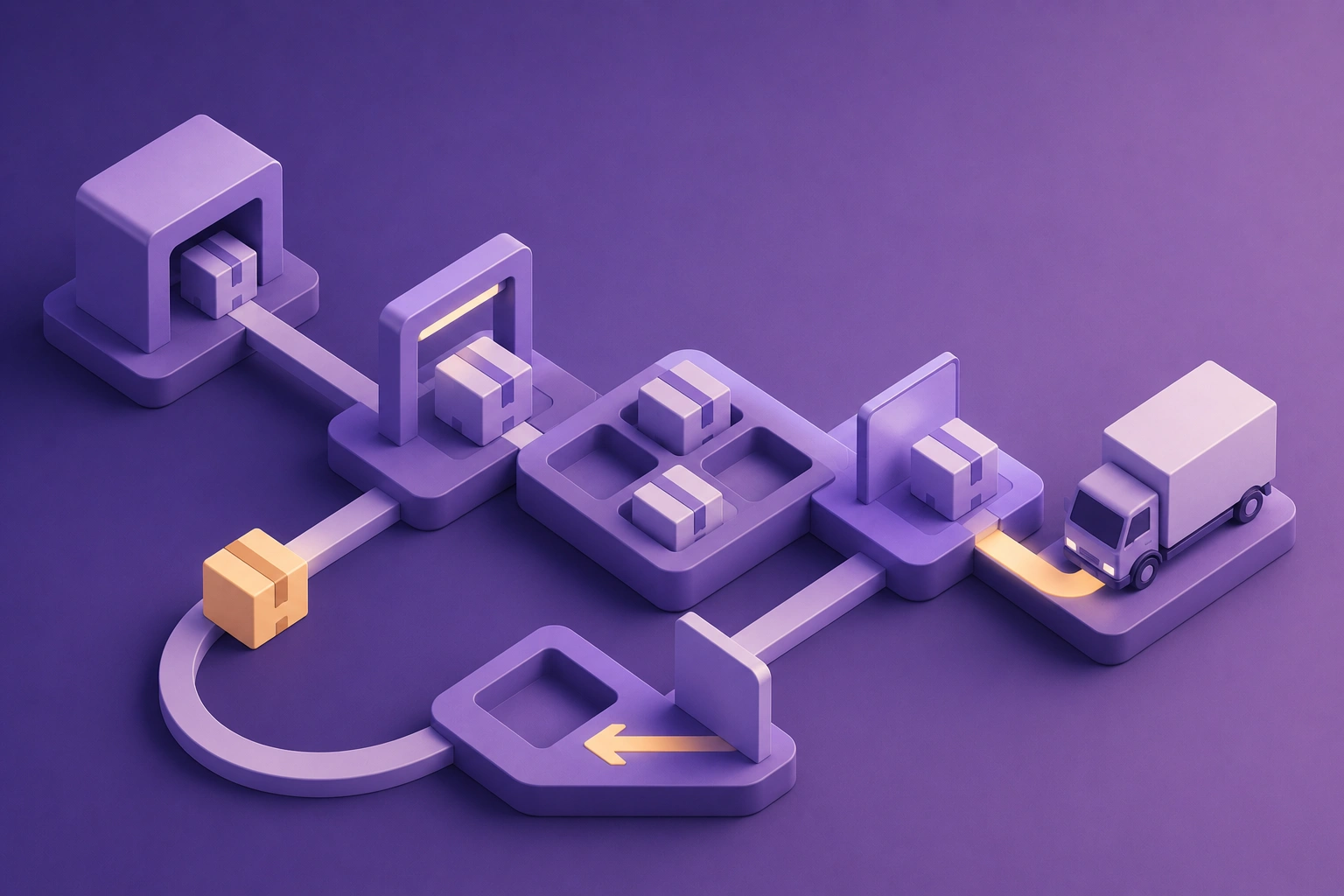
A clean misshipment fix runs in a set order. Confirm what the customer received against what they ordered, decide whether the wrong item comes back or gets kept, ship the correct item, and close the loop with the customer so they are not chasing it.
The friction usually comes from making the customer prove the error across channels, an email here, a photo there, a phone call to repeat it all. Capturing the evidence once removes that, and reduce customer effort in claims and returns covers why effort is the number that predicts churn after a service failure. Keeping the customer informed through the fix matters too, covered in notify customers through the returns process.
Why misshipment data is the useful part
Every wrong box is a data point about who packed it. One misshipment is an apology. A hundred, tagged and counted, is a map of where the fulfillment process is breaking.
That map is the payoff the prevention guides promise but never show how to build. When each misshipment is logged with its type, the SKU, and the fulfillment location, patterns appear, a SKU that gets mispicked because two variants look alike, a warehouse whose accuracy drops during peak, an address error that traces to one sales channel. The returns analytics events to track guide covers what to capture, and retail returns data silos covers why this data is usually scattered across systems that do not talk to each other.
Rolling accountability up to the warehouse and supplier
The reason to capture misshipment data is to send the cost back to whoever caused it. A 3PL that mispicks should see its error rate, and a brand should be able to hold it to a standard rather than quietly eating the reship cost.
This is where integration stops being a footnote. Misshipment data has to move between the order system, the warehouse or 3PL, and the finance ledger to be useful, which means the claim system has to sit alongside a NetSuite, a Business Central, or a Shopify rather than in a silo. Claimlane runs as the post-purchase execution layer next to those systems, and forward to supplier moves a supplier-caused error and its cost to the supplier. The managing cross-channel returns guide and global multi-warehouse returns logistics cover the multi-location version of the problem.
Running misshipment claims in one flow
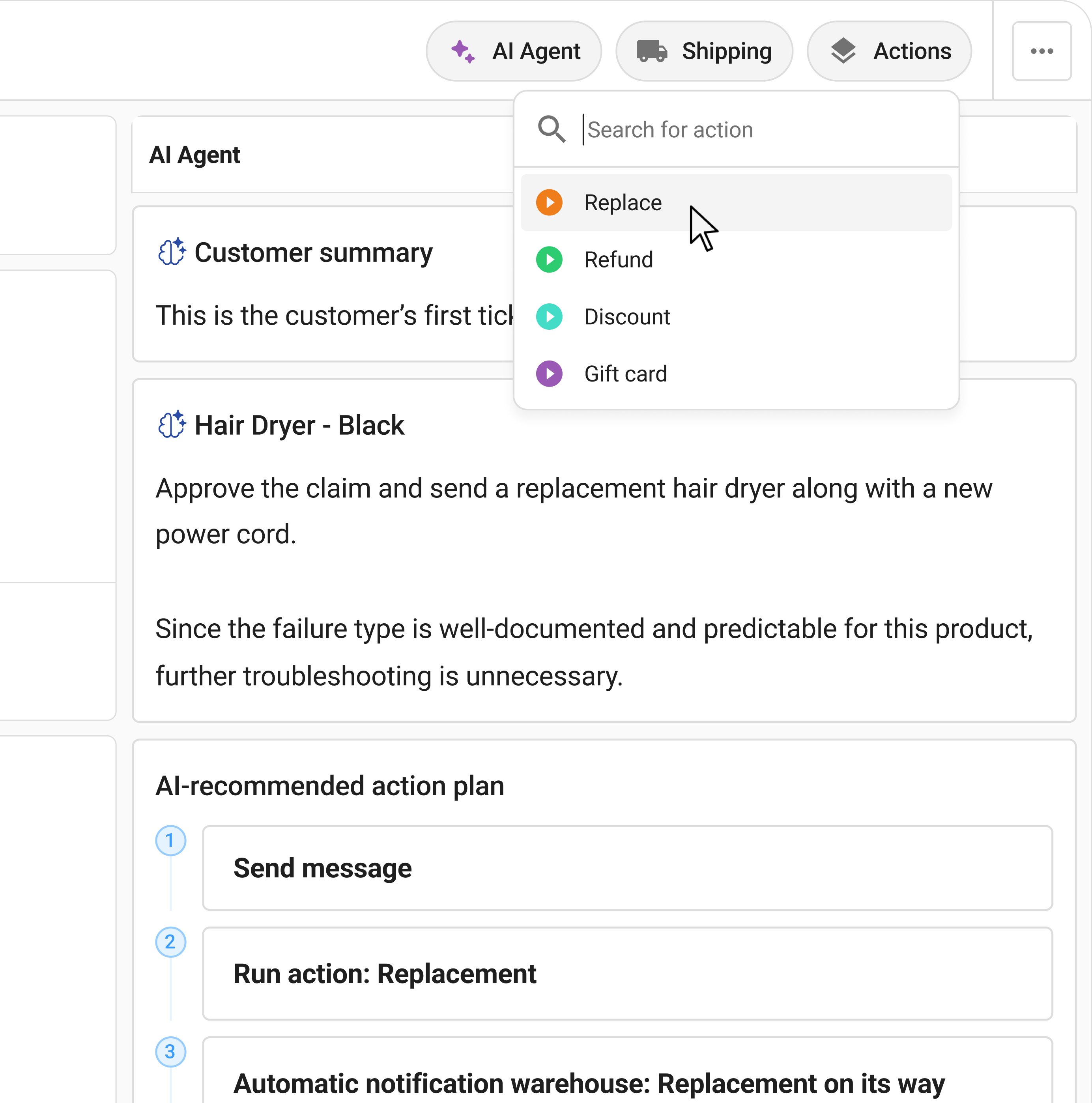
The pattern across all of it is one flow instead of a scramble across inbox, spreadsheet, and warehouse email. Rules decide the resolution by misshipment type, evidence is captured once, the reship and return are triggered from the same record, and every case adds to the accountability data.
Claimlane's workflow engine routes each misshipment by type and location, the self-service portal captures the error and photo in one submission, and analytics turns the pile of cases into the warehouse and supplier map. The 3PL returns management guide and how to automate returns cover the operational build, and BabySam runs its customer claims on the same structured approach, covered in the BabySam case study.
Claimlane holds a 4.8/5 rating on G2.
FAQ
Baby retailers like Luksusbaby and BabySam run wrong-item and fault claims as one structured flow. The same approach turns a misshipment from a double cost into a tracked, recoverable case. Read how BabySam did it.