The Customer Expectation Pyramid: Convenience, Speed, Ownership

Michael Kruse Sørensen
Co-founder @ Claimlane
The after sales customer expectation pyramid

It's an unfortunate reality, but a meaningful share of customers aren't fully satisfied with their orders. The product wasn't quite what they expected. It arrived faulty. It didn't fit. Whatever the cause, what happens next is what determines whether they stay or leave.

That's where after-sales service either wins customer loyalty or quietly destroys it. To get it right, the team needs a shared model of what customers actually expect. The Customer Expectation Pyramid is the framework we use at Claimlane to evaluate where a brand is and where it's falling short.

What are customers expecting from the after-sales service?

Customer loyalty is the lever that compounds in any successful business. Acquiring a new customer costs 5-7x more than retaining an existing one, and the post-purchase experience is the single biggest moment that determines whether someone comes back.

The Customer Expectation Pyramid breaks this down into three levels. Each level builds on the one below it. You can't reach the top without the bottom two in place.

Customer expectation pyramid
The After-Sales Customer Expectation Pyramid

After sales service refer to all the services you deliver after a person has bought from your company.

Level 1: Convenience (table stakes)

The base of the pyramid. Customers want to access help and support without any hassle. They want self-service to find answers, file a claim, or check the status of a return. The bar isn't "great" — the bar is "available without effort."

A concrete bad example: warranty claims are one of the most challenging after-sales inquiries, yet many brands hide the claims process behind 12 clicks of footer links and policy PDFs nobody reads. Step one is making it easy for customers to find exactly what they're looking for.

For ecommerce brands specifically, the returns and warranty self-service portal is where this lives in practice. Structured intake, photo upload, order ID validation, all in one branded flow.

What convenience looks like in practice

  • Returns and warranty info is one click from the homepage, not buried in a footer
  • The customer can file a claim themselves without emailing support
  • Required information (photos, order ID, reason) is captured in one form, not across multiple emails
  • Status updates are visible without contacting support
  • The portal works on mobile

Level 2: Speed (differentiator)

The middle tier. Customers expect businesses to keep up with their pace, in every part of the customer journey.

Be responsive. If a customer has a question or concern, address it promptly. The signal it sends matters as much as the answer itself.

Going back to the warranty example: collecting accurate documentation upfront is the first step toward fast resolution. The 10-45 minute case becomes a 2-minute case when the photos, order ID, and reason are already on file. Taking multiple days to resolve a simple issue, when the issue could have been resolved in 20 minutes with the right setup, is the gap that costs brands their reviews.

A guide on how to reduce claim resolution time in customer service covers the operational side of this directly.

77%

faster resolution

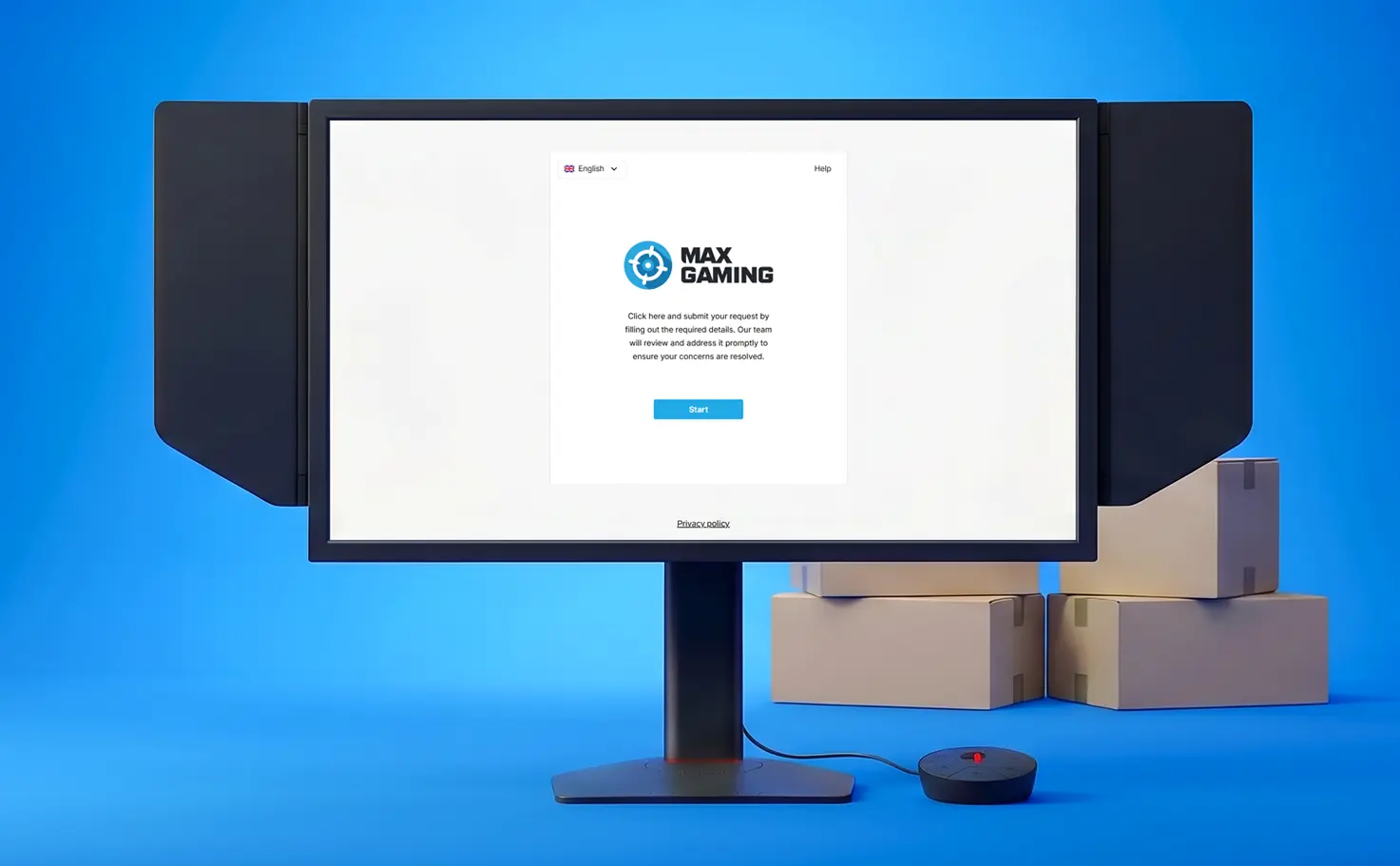
Speed in practice · MaxGaming

MaxGaming runs 30,000+ SKUs across 200+ brands. After deploying Claimlane's AI Agent, complex RMA cases resolve 77% faster. The AI handles the parts of a case that previously needed a trained agent: photo review, brand-policy application, resolution recommendation.

Speed is where AI changes the game in 2026. Claimlane's AI Agent, the first AI agent purpose-built for warranty claims and returns, reads photos and videos at intake, applies brand and supplier rules, and either auto-resolves the case or sends it to a human with a recommendation. Speed that previously required hiring more agents now comes from making each agent more effective.

Level 3: Ownership (loyalty driver)

The top of the pyramid. Brands that take real ownership of their products are the ones that build long-term customer relationships.

This isn't about better policies or faster systems. It's about the underlying posture: when something goes wrong, the brand owns it. The customer doesn't have to fight for a resolution. They don't have to escalate. They don't have to repeat their story across three agents.

Practically, ownership shows up in a few ways:

What ownership looks like in practice

  • Resolve with the customer first, chase the supplier separately
  • Follow up after the case closes to confirm the customer is happy
  • Take responsibility for damage in transit even when the carrier is at fault
  • Use return data to actually improve products, not just track volume
  • Refund without forcing the customer to ship something back when the product cost makes shipping uneconomic

Product quality is non-negotiable. Customers expect products that meet their standards. But taking full responsibility when products break, especially with the growing focus on sustainability and circular economy expectations, is what separates brands customers recommend from brands they tolerate.

The financial side of ownership matters too. Brands that resolve quickly and fairly with the customer can still recover from suppliers afterward. A guide on supplier recovery and how to get credit notes faster covers how to do this without making the customer wait.

Beyond meeting expectations: where loyalty actually forms

Meeting expectations is the start. Loyalty forms when brands consistently exceed them in the moments customers remember.

Three things that compound over time:

Driver 01

Keep promises visibly

If you say "we'll respond within 24 hours," respond within 24 hours. Customers track this even when they don't say so.

Driver 02

Communicate honestly when things go wrong

Delays happen. Mistakes happen. The customer remembers how the brand handled it, not the fact that something went wrong.

Driver 03

Resolve before the customer has to ask twice

If the customer has to follow up to find out what happened, you've already failed at speed. Status visibility removes that.

These three sit on top of the pyramid. They don't replace the foundation. They're what brands build once convenience and speed are already in place.

For the full deeper read on the link between aftersales handling and repeat purchase rates, the guide on post-purchase experience and customer loyalty covers it directly.

How Claimlane customers apply the pyramid

The pyramid stops being theory once a brand actually staffs and tools each level. Two real customer outcomes show what this looks like in practice.

Davidsen · Speed

5 → 1-2

Agents needed to handle the same warranty volume after switching to Claimlane. Same case load. Faster turnaround.

Read the case study

Swoon · Ownership

60 → 85%

Supplier chargeback recovery rate. Resolving with customers first while still recovering from suppliers afterward.

Read the case study

Davidsen's outcome is speed in action. Swoon's outcome is ownership in action: customers got their resolutions while the financial side caught up with suppliers in the background, not the other way around.

Frequently asked questions

What is the Customer Expectation Pyramid?

A three-level model of what customers expect from after-sales service. Convenience at the base (table stakes), speed in the middle (differentiator), and ownership at the top (loyalty driver). Each level builds on the one below it. Brands that skip levels lose customers without understanding why.

Why is convenience the base of the pyramid?

Because without convenience, customers don't experience the rest. A customer who can't find your claims page or has to email three times to file a return won't reach the speed or ownership tiers. The base has to be solid before anything above it matters.

How fast should after-sales responses be?

First response within 24 hours is the floor. Resolution within 48-72 hours is the realistic target for most categories. Brands handling structured intake and AI-assisted classification can resolve simple cases in minutes and complex cases in 1-2 days.

What does ownership in customer service actually look like?

Resolving with the customer first when there's ambiguity, even before the supplier confirms. Following up after the case closes. Taking responsibility for damage in transit even when the carrier is technically at fault. Using return data to actually improve products instead of just tracking volume.

How do I exceed customer expectations after a sale?

Three things compound. Keep promises visibly (respond when you said you would). Communicate honestly when things go wrong (don't hide delays or mistakes). Resolve before the customer has to ask twice (status visibility kills follow-up tickets). All three sit on top of the pyramid, not in place of it.

Can AI help with after-sales customer service?

Yes, particularly for the speed tier of the pyramid. Claimlane's AI Agent reads customer-submitted photos and videos, applies brand and supplier rules, and recommends resolutions in seconds. MaxGaming reduced complex RMA resolution time by 77% using it. AI doesn't replace human judgement at the ownership tier, but it removes the bottlenecks that prevent teams from operating at the speed customers expect.

How does after-sales service affect customer loyalty?

Customers who get a fast, clean resolution after a problem buy again at higher rates than customers who never had a problem. The post-claim moment is one of the highest-stakes retention events in ecommerce. Slow or unfair resolutions are one of the most reliable churn signals.

Where should a brand start if it's failing the pyramid?

At the bottom. If customers can't find the claims process easily, fix that first. Once convenience is in place, work on speed. Once speed is consistent, work on ownership. Skipping ahead doesn't work. We've seen brands invest heavily in "delight" initiatives while their basic claims process was still hidden behind 12 clicks. The delight didn't move CSAT until the basics were fixed.

Try the most powerful aftersales platform for free
Build best-in-class return & warranty portal
Automate refunds, replacements and more
Centralize all warranties, repairs and returns

Stop using emails and spreadsheets for warranties. Handle everything in one place.

Book a demo