
.webp)
After-sales service has a big impact on how customers feel about your brand. Even if your products are great, what happens after the purchase matters just as much. Good after-sales service builds trust, reduces support work, and helps customers stay with you longer.
Below are six practical after-sales service examples you can start using right away. They’re easy to understand and useful for any business that handles returns, warranty claims, or repairs.
| Term | What it means |
|---|---|
| After-sales service | Support given after a purchase (returns, claims, repairs, etc). |
| Self-service portal | A place where customers can submit claims or returns on their own. |
| Return portal | Lets customers return/exchange products online. |
After-sales service examples to boost customer experience.
Before we jump into the examples, here’s why after-sales service matters: it improves customer satisfaction, reduces operational work, and increases repeat purchases. Companies with a strong after-sales setup often see higher loyalty and better reviews. A good way to understand after-sales is by using the After-Sales Customer Expectation Pyramid, that goes into how you best can deliver exceptional after sales services.
Quick Summary:
These six after-sales service examples, self-service portals, warranties, repairs, loyalty programs, feedback channels and exchanges, help businesses reduce support workload and increase retention.
1. Self-Service Portal
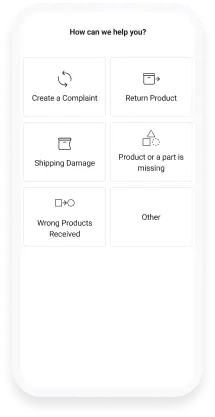
A self-service portal lets customers manage returns and send in claims whenever it suits them. Tools like the Claimlane portal give your team the details they need right away, so cases can be handled faster.
Benefits:
- Offers customers convenience and flexibility
- Speeds up issue resolution
- Provides accurate information for efficient service
After-Sales Customer Expectation Pyramid
Want fewer emails about returns and claims? Use our self service portal.
Try the interactive demo2. Complete After-Sales Warranty
A clear after-sales warranty shows customers that you stand behind your products. Whether it’s one year or a lifetime warranty, this gives customers peace of mind and often leads to repeat business.
Benefits:
- Builds trust with customers
- Reduces post-purchase anxiety
- Encourages brand loyalty
Handle many warranty claims every day Claimlane keeps all cases in one place so your team can solve them faster.
3. After-Sales Repair and Maintenance Support
Providing repair and maintenance services ensures that customers can rely on your product for the long term. Whether in-house or through trusted partners, this service adds tremendous value. Repair services doesn’t even have to be in-house, you can also do it online with Claimlane’s self-service portal.
Benefits:
- Extends product lifespan
- Strengthens customer relationships
- Minimizes customer frustration
Tip: Most customers use self-service portals outside business hours. Make sure your form collects everything needed to avoid extra back-and-forth.
4. Loyalty Programs and Exclusive Offers
Rewarding customers for their continued support fosters loyalty. Offer special discounts, early access to new products, or points-based rewards.
Benefits:
- Increases repeat purchases
- Improves customer engagement
- Creates a sense of exclusivity
| Warranty type | What customers expect |
|---|---|
| Standard warranty | Clear rules and response expectations. |
| Extended warranty | Peace of mind and simple claim flow. |
| Lifetime warranty | Fast replacements and transparent limits. |
5. Customer Feedback Channels
Inviting feedback through surveys, reviews, and suggestion forms shows customers that their opinions matter. Use this input to improve products and services.
Benefits:
- Strengthens customer trust
- Provides insights for improvement
- Builds a community around your brand
Simple loyalty ideas that work: early access, free shipping on next order, or small rewards for repeat buyers.
6. Offer Product Exchanges in Your Return Portal
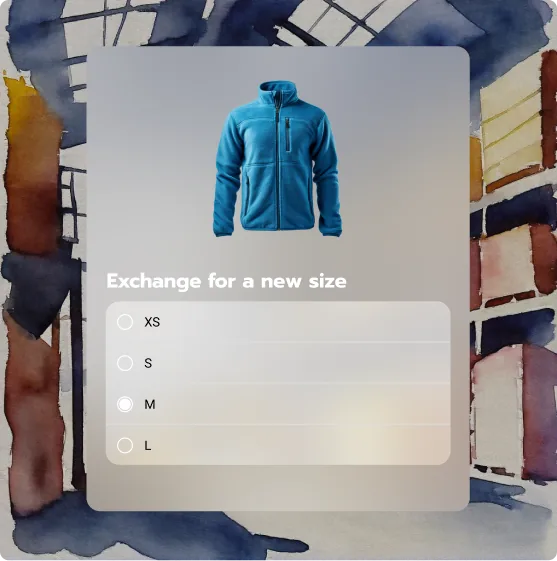
When a customer is returning their item, sometimes they might just want to exchange their product for another one in your catalog. Even online it is important to offer product exchanges, so you don’t lose your customers. Claimlane makes it possible for you to offer product exchanges, gift cards and refunds, directly in your return portal.
Benefits:
- Increases customer confidence
- Reduces buyer's remorse
- Encourages more purchases
After-Sales Service Data Points You Should Track
Tracking the right metrics helps businesses understand where issues arise and where improvements can be made.
| Metric | Why it matters |
|---|---|
| Response time | How fast customers receive their first reply |
| Resolution time | How long it takes to fully solve a case |
| Claim approval rate | Valid claims vs avoidable issues |
| Return reasons | Patterns that help product teams improve |
| Repeat claim rate | Recurring issues that signal product flaws |
| Cost per return | Financial impact of returns or replacements |
| Supplier performance | How quickly and reliably suppliers approve claims |
After-sales support is your most important touchpoint
The support you give to new customers are crucial in turning them into loyal customers. How fast you respond and how fast you solve their issues such as warranty claims or repairs are just two examples of very important after sales touchpoints. Claimlane enables customer support and operations teams to handle warranty claims insanely fast.
Your after-sales is what sets you apart from the rest
Incorporating these after-sales service examples into your business strategy can make a world of difference. From offering after-sales warranties to providing personalized follow-ups, each touchpoint strengthens your customer relationships and sets your brand apart.
Ready to take your after-sales service to the next level? Start implementing these strategies today and watch your customer satisfaction, and your business, grow!
Who benefits from these after-sales strategies?
- DTC brands
- E-commerce retailers
- B2B suppliers
- Manufacturers
- Anyone handling returns or warranty claims
FAQ
What is after-sales service?
After-sales service is the support a customer receives after buying a product. This can include returns, warranty handling, repairs, exchanges and general assistance.
Why is after-sales service important?
It improves customer satisfaction, increases repeat purchases and reduces negative reviews. A reliable after-sales setup also lowers internal workload.
What are examples of after-sales services?
Common examples include self-service portals, warranties, repairs, maintenance, loyalty programs, customer feedback channels and product exchanges.
How do self-service portals help with after-sales?
They let customers submit returns or claims without contacting support, giving businesses complete information from the start and speeding up resolution time.
What is the difference between after-sales service and customer service?
Customer service covers all general interactions, while after-sales service refers specifically to the support provided after a purchase.
How can a company improve its after-sales service?
By offering clear warranties, using a self-service portal, speeding up response times, gathering feedback and giving customers simple options like exchanges.