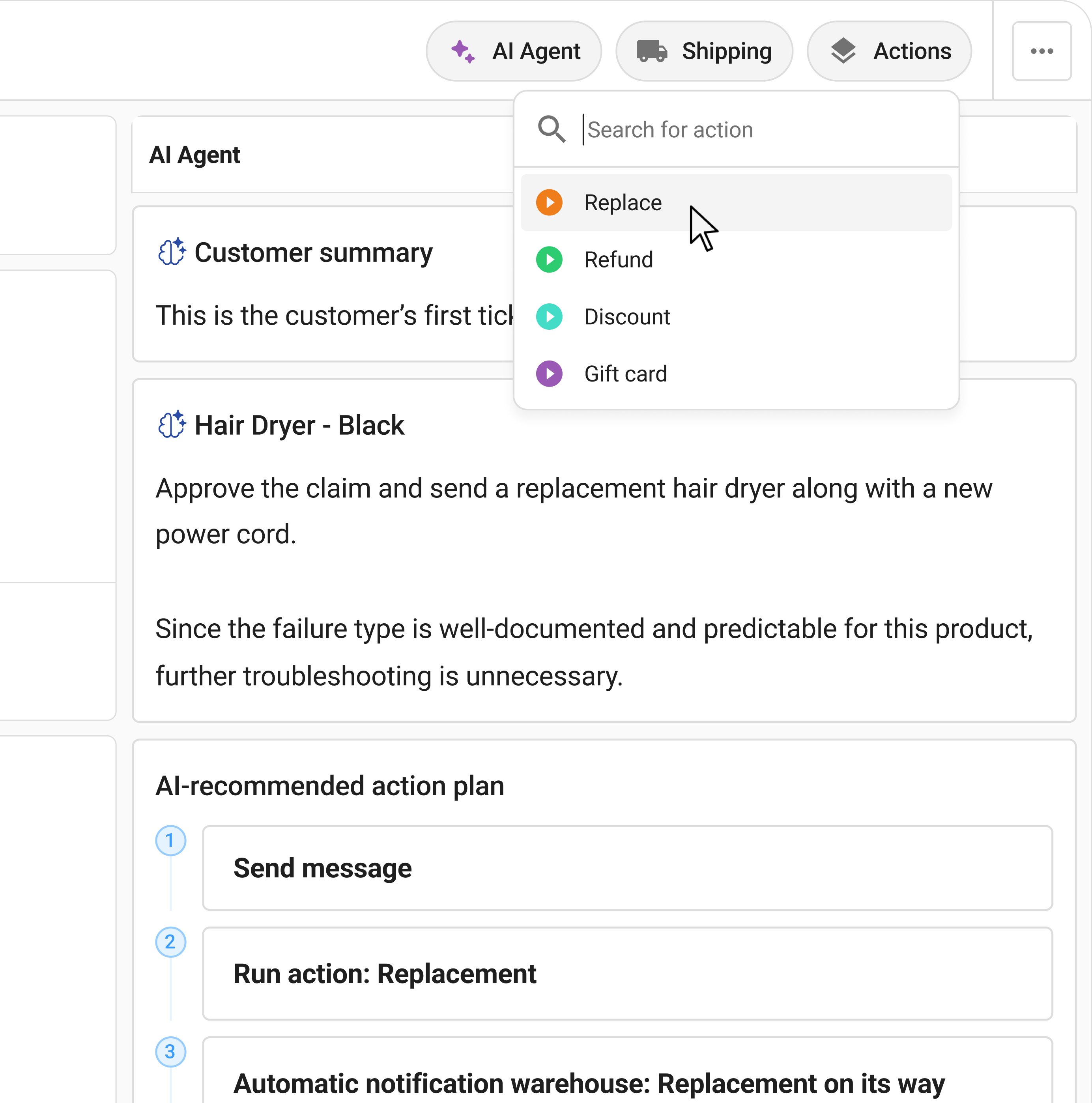
Running a warehouse is never simple. Returns come in every day, but what happens with them is not always clear. Communication gets tricky between departments and even more so when third parties like 3PLs or service centers are involved. What should be a smooth process often turns into confusion, delays, and frustrated customers. How 3PL returns management actually works.
That’s exactly why we built the Warehouse Module - one of our biggest product releases to date. With this feature you can build specific automatic workflows, remove bottlenecks and have better communication between departments and third parties such as 3PLs and service centres.
In this post, we’ve listed 10 warehouse challenges that the Warehouse Module solves - challenges we know many brands and retailers face every single day.
10 Warehouse Challenges and how to solve them
The challenge: When a customer doesn't pick up their order and it's sent back, the warehouse receives a package with no ticket created on it.
The fix: The warehouse scans the returned package, which creates a ticket in Claimlane automatically. No confusion, no manual workarounds, no missing inventory.
The challenge: Handovers to third parties are messy, manual, and involve different processes per 3PL.
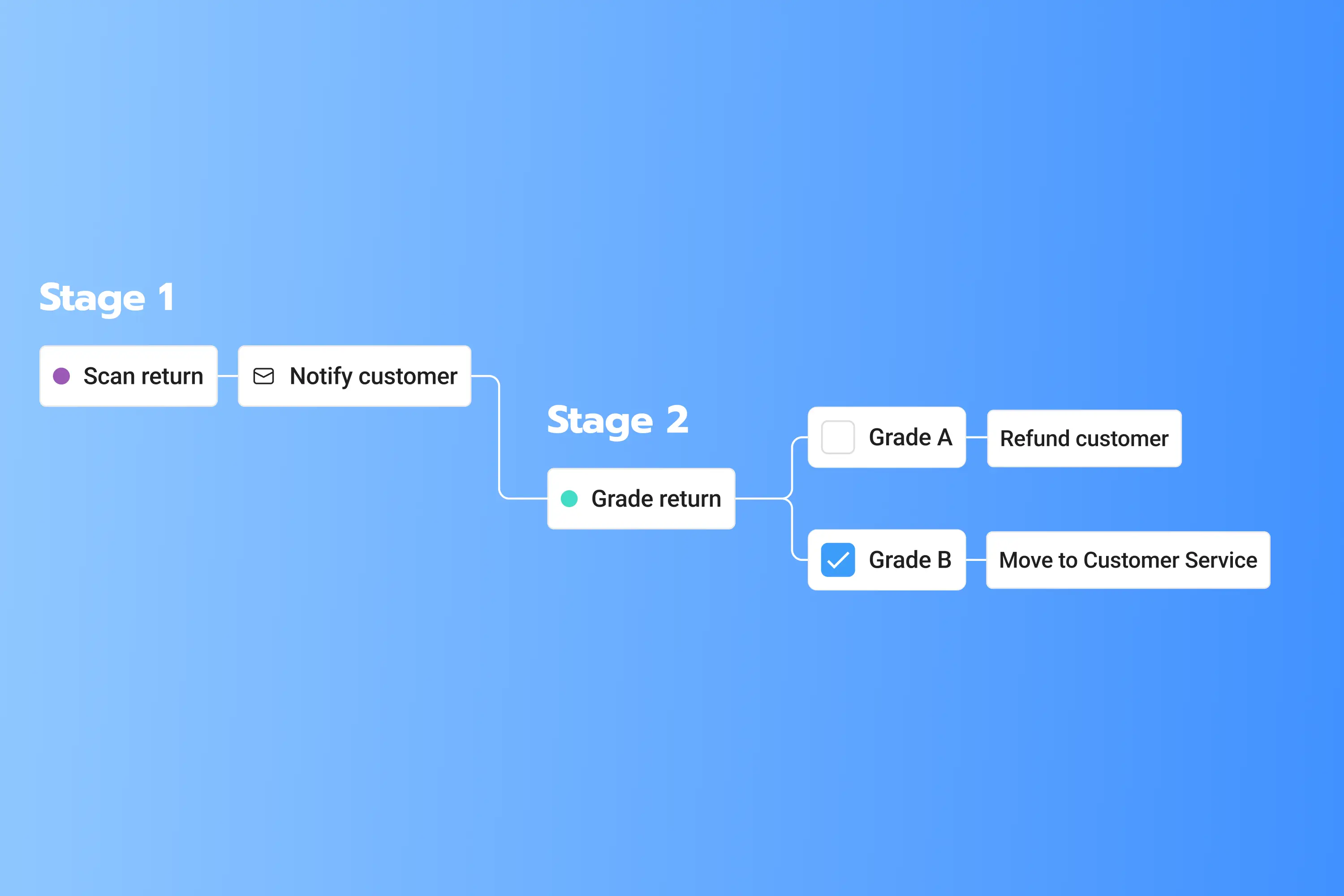
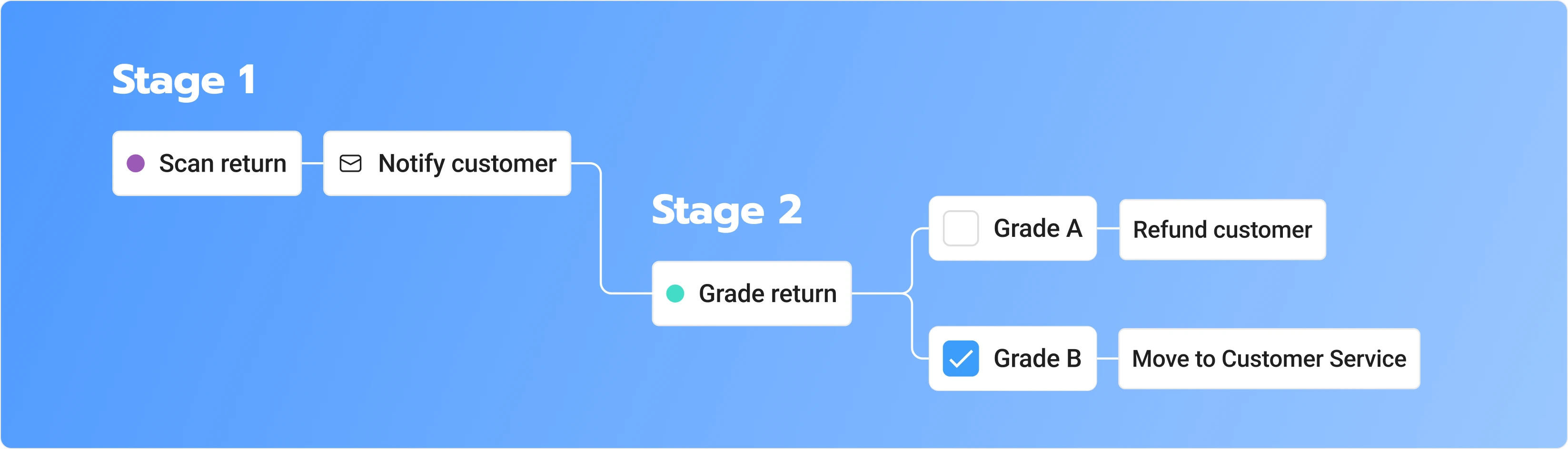
The fix: 3PLs scan and grade arrived items via a secure Claimlane link, triggering actions like refunds automatically. No manual updates, no email chains.
The challenge: Customers want to know when their return arrives. Manual workflows leave them in the dark.
The fix: Automated notifications when the return is received or moves between locations. Whether the package is at your warehouse, a 3PL, or a service centre, the customer knows.
The challenge: Some returned items need special attention and shouldn't be handled by warehouse staff alone.
The fix: Warehouse teams escalate cases to Customer Service with notes and photos, so agents have full context to resolve the ticket without back-and-forth.
The challenge: Good products get stuck without proper grading and never make it back to sellable inventory.
The fix: Staff grade non-damaged items for restock at the moment of inspection. Inventory stays accurate and sellable units flow back to the shelf instead of sitting in limbo.
The challenge: High-value or paid-service returns need extra care and prioritisation but often slip through standard workflows.
The fix: These tickets get flagged automatically and routed to Customer Service, so the team focuses on the cases that need the attention.
The challenge: Miscommunication between warehouse and support slows everything down.
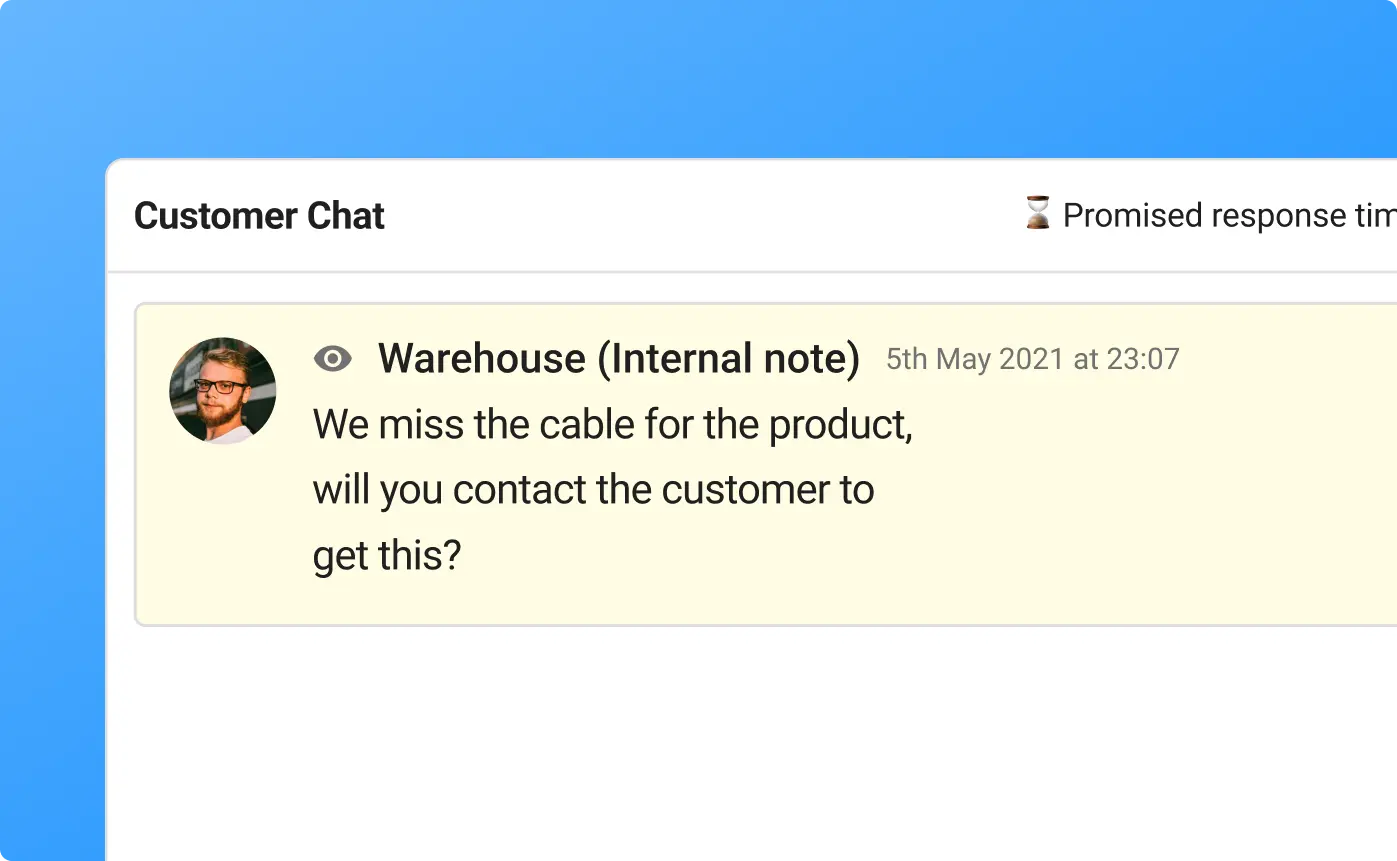
The fix: Warehouse staff leave internal notes and photos for the customer service team directly in the ticket. Warehouses, 3PLs, and service centres all share the same record.
The challenge: Returns that need a repair fall into a black hole between the warehouse and the repair centre.
The fix: Automated workflows from the repair centre update ticket statuses and notify customers as the repair progresses.
The challenge: Processing returns one by one wastes hours every week.
The fix: Staff handle similar cases in bulk, scanning and grading multiple items at once. Hours back per week.
The challenge: Manual updates waste time and create data errors that compound over weeks.
The fix: The Warehouse Module syncs warehouse actions directly with Claimlane. Data stays correct and current without anyone retyping anything.
1. Handling return-to-sender packages
When a customer doesn't pick up their order and it's sent back, the warehouse will receive a package with no ticket created on it. With the Warehouse Module, in these cases the warehouse can scan returned package which will create a ticket on Claimlane without any extra work. This ensures no confusion, no manual workarounds, and a smooth flow.
2. Smoother communication with 3PLs
Handovers to third parties are often messy. They’re usually manual and involve different processes. The Warehouse Module solves this: third parties like 3PLs can scan and grade arrived items via a secure Claimlane link, triggering actions like refunds automatically in your system - no manual work needed. See 3PL returns management for the broader framework.
3. Notifying customers when returns arrive
Customers want to know when their return is received. With the Warehouse Module, you can automatically notify them as soon as it arrives or is moved around - whether at your warehouse, a 3PL, or a service centre.
One of the clearest indicators of warehouse efficiency is how fast stock moves. Here's how to calculate and improve your inventory turnover ratio.
4. Routing edge cases to Customer Service
Some returned items require special attention and should not be handled solely by warehouse staff. With the new workflow, warehouse teams can escalate these cases directly to Customer Service, including notes and photos, ensuring agents have all the information needed to resolve the ticket efficiently and deliver exceptional customer service.
5. Restocking non-damaged returns
Too often, good products get stuck on shelves as there is no grading done to them instead of going back to stock. With the Warehouse Module, staff can quickly grade non-damaged items for restock and keep inventory accurate and sellable. How returns affect inventory turnover.
6. Automated escalation for high-value items
High-value or paid-service return items often require extra care and prioritization. With the Warehouse Module, these tickets can be automatically flagged and routed to Customer Service, ensuring your team focuses on what matters most.
7. Warehouse and Customer Service communication
Miscommunication slows everything down. The Warehouse Module allows warehouse employees to leave internal notes and photos for the customer service team.
The right software can solve many warehouse challenges before they escalate. Here's a guide to inventory management software for retail stores.
8. Communication with Repair Centres
Returns that needs a repair can easily fall into a black hole. With the Warehouse Module, you can run automatic workflows from the repair centre, such as updating ticket statutes and notifying customers. Repair vs replace decisions in warranty workflows.
9. Bulk processing of similar cases
Processing returns one by one wastes time. The Warehouse Module lets staff handle similar cases in bulk, scan and grade multiple items at once, and save hours every week.
10. Reducing manual data entry
Manual updates waste time and cause errors. The Warehouse Module syncs warehouse actions directly with Claimlane so data is always correct and up to date. How returns automation actually works through integrations.
Warehouse delays often cascade into delivery problems. Learn what a delivery exception is and how warehouse operations can help prevent them.
This is just some of the use cases for our Warehouse Module. Perhaps you're already thinking of new ones for your business.
If you're interested in hearing how you can process your returns much more efficiently, then reach out today.