Warranty management is one of the most underrated revenue protection levers a dealership has. It touches sales, service, accounting, parts, and compliance. Get it right and warranty becomes a predictable income stream. Get it wrong and you're leaving 5 to 15% of warranty revenue on the table every month, sometimes without even knowing.
Most dealerships still run warranty through a mix of OEM portals, spreadsheets, email threads, and one experienced warranty admin who holds the whole process together in their head. That worked five years ago. In 2026, with audit pressure tightening and OEM submission rules getting more complex, it doesn't.
This guide covers what dealership warranty management actually requires today, where the money leaks, and how high-performing dealerships in the US and Australia are setting up their process to stop the leaks.
What Is Dealership Warranty Management?
Dealership warranty management is the full operational process of handling warranties from start to finish.
It includes:
- Warranty registration at vehicle sale or delivery
- Dealer warranty processing in the service department
- Submitting and tracking OEM and aftermarket claims
- Reconciling reimbursements
Think of it as the system that protects warranty revenue long after the repair is completed.
Good warranty management is proactive and structured.
Poor warranty management is reactive, fragmented, and expensive.
What dealership warranty management actually covers
Dealership warranty management is the full operational workflow of registering, submitting, tracking, and reconciling warranty claims across OEM, aftermarket, and dealer-issued programs.
It spans every department:
Warranty registration at delivery, extended warranty sales, customer education on coverage
RO documentation, technician notes, parts tracking, claim coding, OEM submission
Reimbursement reconciliation, chargeback resolution, monthly reporting
Audit trails, OEM policy adherence, document retention, dispute resolution
Dealership warranties often involve on-site repairs and technician dispatch. Here's a guide to field service management software that helps coordinate those operations.
Where dealership warranty money actually leaks
Most dealerships underestimate how much warranty revenue they're losing. The visible losses are obvious: a denied claim here, a chargeback there. The hidden losses are bigger.
A single warranty admin in a mid-sized dealership typically spends 60 to 80% of their time on tasks that should be automated: re-keying data, chasing OEM portal status, hunting for technician notes, building monthly reports. That's not a productivity problem. It's an architecture problem.
What good dealership warranty management looks like
The dealerships that have moved past the spreadsheet era share a common operating model. It's not complicated, but it does require commitment to doing every step the same way every time.
Not 48 hours later. Not by end of week. At delivery, before the customer drives off. Late registration is one of the most common reasons for denied early-failure claims.
Every RO follows the same structure. Technician notes use the same format. Parts coded the same way every time. Standardisation is what makes audit defence possible later.
The longer claims sit, the more likely they get lost, denied, or short-paid. Most OEMs have submission windows. Track them and hit them every time.
Submission is not the end. Track status, partial payments, denials, and resubmissions. Anything sitting unpaid past 30 days needs an action, not a spreadsheet row.
When the OEM audit comes (and it will), the dealership that has clean digital records pulls supporting docs in minutes. The dealership that doesn't loses chargebacks they could have defended.
Five steps. Done consistently, they're the difference between warranty as a profit centre and warranty as a leak.
Spreadsheets vs. warranty management software
Most dealerships running warranty manually started small and never updated the system as volume grew. The problem isn't that spreadsheets are bad. They're just not built for the job.
The DMS-only path is where most multi-store dealer groups sit. They have the basics covered but nothing built specifically for warranty workflow. A dedicated warranty platform sits on top of the DMS to handle what the DMS isn't designed for.
What dealerships actually gain from a warranty platform
The numbers vary by group size and starting point, but the pattern is consistent.
Increase in approved claim revenue from cleaner submissions
Reduction in admin time per claim
Faster average reimbursement turnaround
More chargebacks successfully defended at audit
What to look for in dealership warranty management software
Not every warranty platform is built for dealerships. Most aftersales tools are built for retail and ecommerce. The ones that work for dealers handle the OEM and aftermarket workflow specifically.
Direct submission to OEM systems, not copy-paste
Pulls RO data, parts, labour automatically
Handles third-party warranty providers, not just OEM
Every change logged, every doc retained
Roll-up across locations for dealer groups
Renewal triggers and customer reminders
Best Software for Dealership Warranty Management
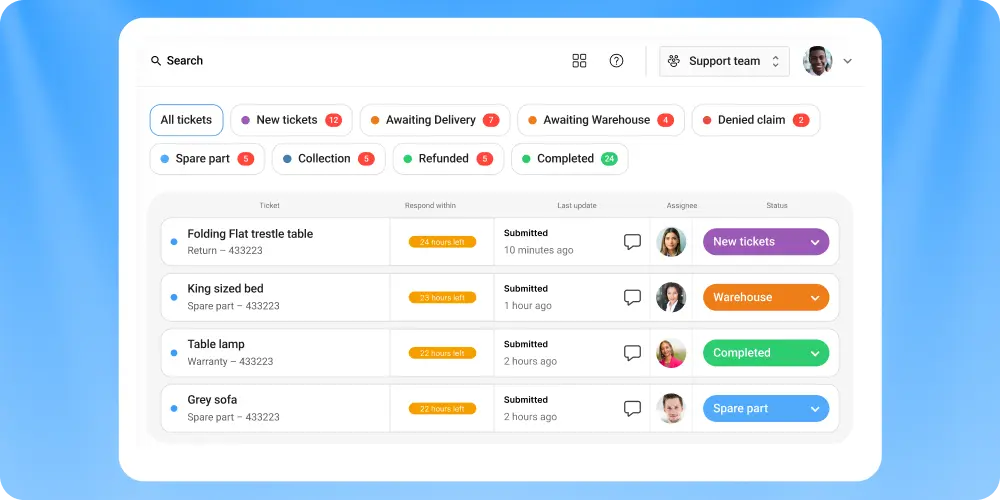
Claimlane is a warranty management software used by dealerships to register warranties and submit claims directly to manufacturers and warranty providers.
Dealerships using Claimlane report:
- Higher claim approval rates
- Less time spent chasing reimbursements
- Less manual reporting work
- A clear overview of active warranties and claim status
Some businesses also use Claimlane to sell extended warranties and trigger reminders when customers are close to renewal. Others use it purely to clean up OEM warranty claims. The flexibility depends on how mature the dealership’s warranty process is.
Tracking every claim from submission to resolution is critical for dealerships handling high volumes. Learn about warranty tracking software and what features matter most.
Claimlane Pricing
Pricing starts from $800/month
Want to hear more about how you can use Claimlane for your dealership, reach out today.
Conclusion
Dealership warranty management in 2026 is no longer about working harder or hiring more warranty admins. It's about removing manual work, defending against chargebacks, and building a process that runs the same way every time, across every store and every brand.
The dealerships winning at warranty share four traits: they register on time, they submit clean claims, they track every dollar until it's paid, and they stay audit-ready without scrambling.
Spreadsheets can't support that long-term. A modern warranty platform can. If you want to look more into a software for dealership warranty management, feel free to reach out Claimlane to hear how we can help.
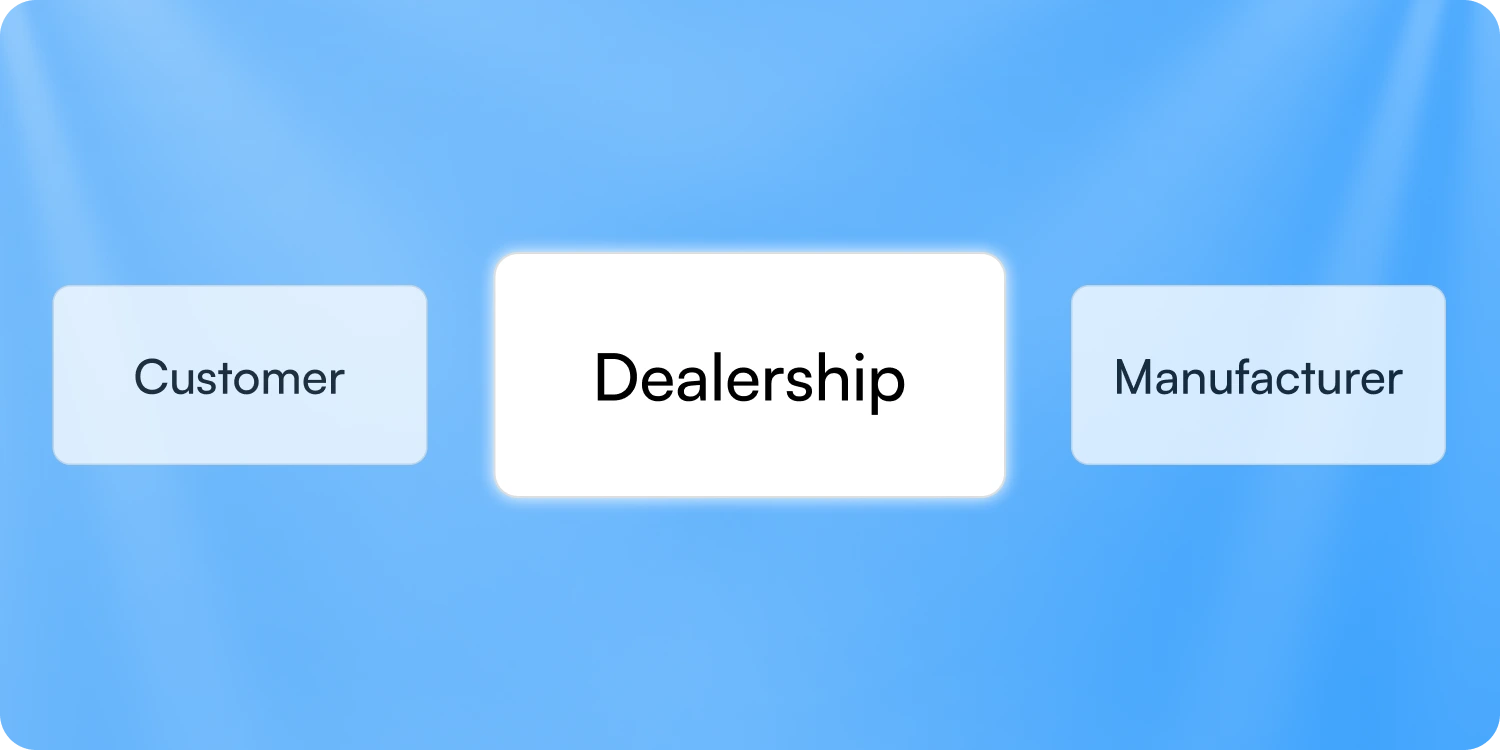
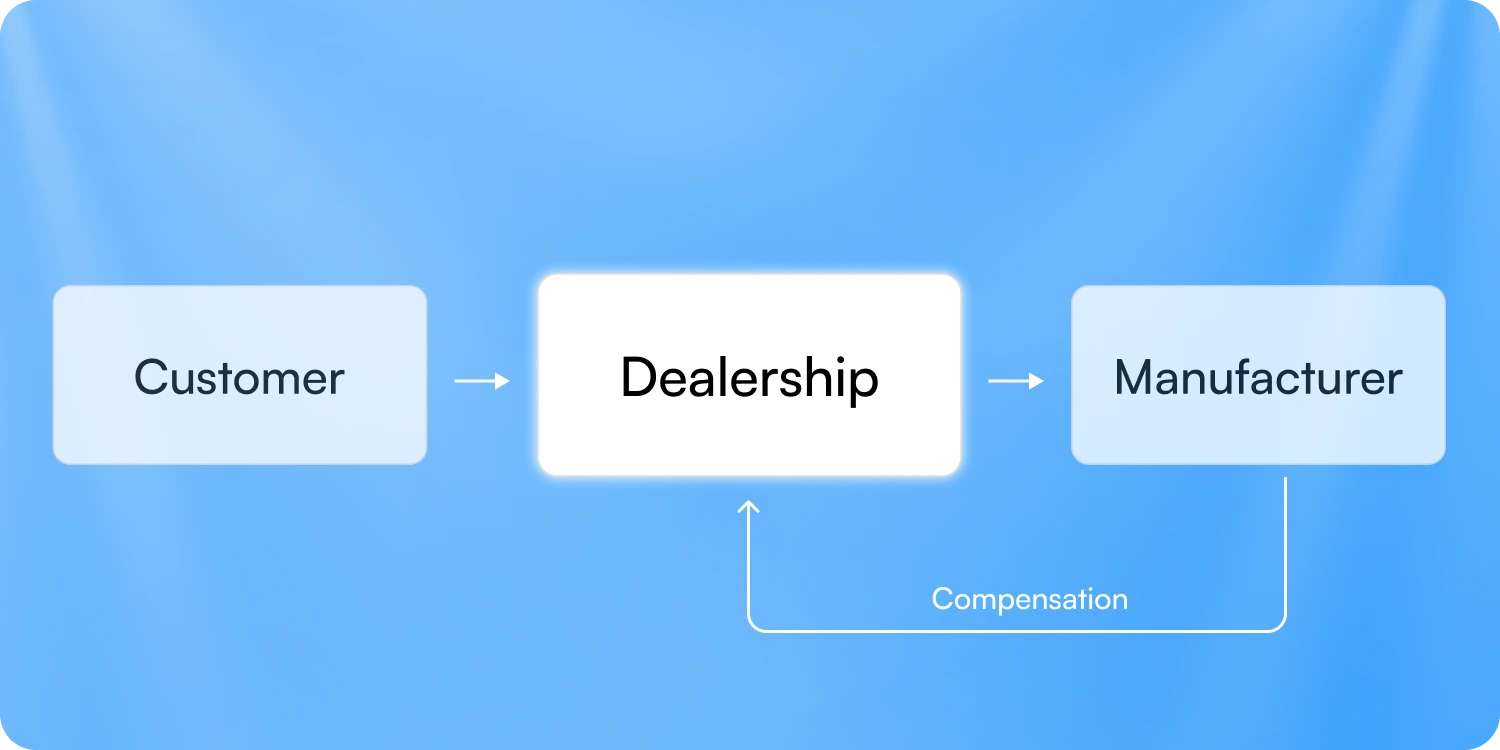
Dealerships often sit between the customer and the manufacturer. Here's a look at the challenges retailers face with supplier claims and how to streamline that handoff.