Why outdoor gear warranty management requires a different approach
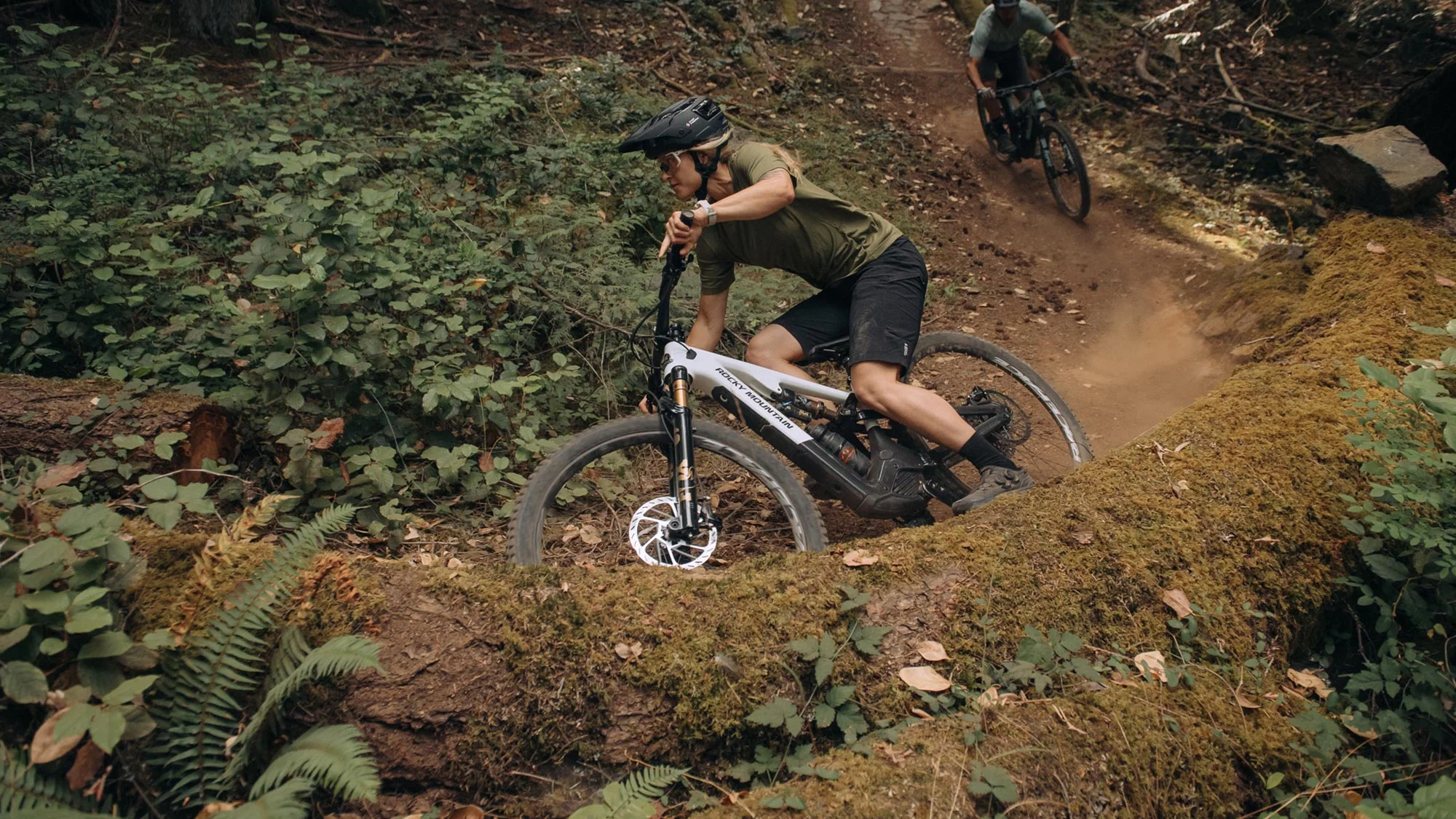
A broken trekking pole, a defective headlamp or a damaged climbing harness can have serious consequences for outdoor enthusiasts. Customers depend on their equipment, and when something goes wrong, they expect the brand to provide a reliable resolution.
For outdoor brands, warranty management involves much more than processing refunds and replacements. Technical assessments, spare parts, product safety, repair services and retail partner communication are all part of the process.
Building a dedicated aftersales operation allows outdoor brands to resolve product issues faster, extend product lifetimes and reduce unnecessary warranty costs.
- Outdoor brands need product-specific warranty workflows that account for technical complexity and safety requirements.
- Repairs and spare parts can reduce warranty costs and extend the lifetime of eligible outdoor equipment.
- Dedicated retail partner portals and repair eligibility checks reduce unnecessary administrative work.
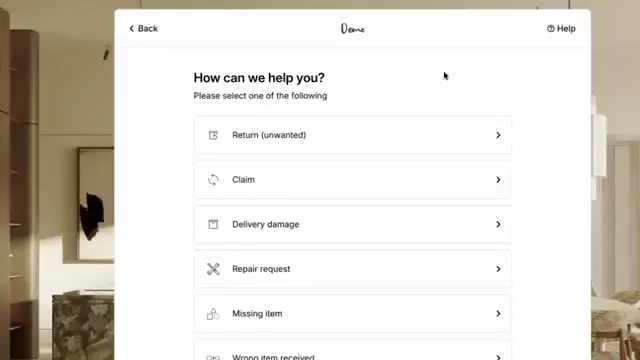
- Claimlane connects warranty claims, repairs, spare parts and retail partner communication in one aftersales platform.
What makes outdoor gear warranty claims so complex?
Outdoor brands manufacture products designed to withstand demanding environments. However, different products experience different types of wear, damage and manufacturing defects.
A defective headlamp might only require a replacement battery cover, while a damaged climbing harness could require immediate retirement for safety reasons.
Outdoor brands typically need to manage aftersales across several product categories:
- Climbing equipment and protective gear.
- Skiing and snowboarding equipment.
- Trekking poles and hiking accessories.
- Headlamps and outdoor electronics.
- Tents and camping equipment.
- Technical clothing and footwear.
- Backpacks and equipment storage.
Each product category requires different documentation, eligibility rules and potential resolutions. A generic returns process rarely accounts for these differences.
How long do outdoor gear warranties usually last?
Outdoor gear warranties vary by manufacturer, product category and geographic market. Some brands offer fixed warranty periods, while others cover manufacturing defects for the practical lifetime of a product.
Black Diamond, for example, publishes different commercial warranty periods for different product categories under its North American warranty policy.
| Product category | Black Diamond warranty period |
|---|---|
| Headlamps and lighting products | 3 years |
| Trekking and ski poles | 2 years |
| Footwear | 2 years |
| Apparel, packs and gloves | Practical product lifetime |
| JetForce packs | 3 years for the pack, 2 years for the battery |
| Other products | Generally 2 years, subject to specific product terms |
Source: Black Diamond's North American limited warranty policy.
A lifetime warranty doesn't necessarily mean that a product is covered for the customer's entire lifetime. Coverage may depend on the expected usable lifetime of the equipment and the nature of the defect.
Manufacturers must also distinguish commercial warranty coverage from statutory consumer rights and voluntary return policies. Applicable legal rights vary by jurisdiction and may continue independently of a manufacturer's warranty.
How do outdoor brands decide between repairing and replacing gear?
Replacing every defective product can become expensive, particularly for premium outdoor brands. However, repairing equipment isn't always appropriate or safe.
A structured repair-versus-replacement process helps service teams make consistent decisions based on product condition, safety, customer needs and operational costs.
Factors that influence the warranty resolution
- Product safety and manufacturer repair instructions.
- The type and severity of the reported damage.
- Availability of compatible replacement parts.
- Repair labor and transportation costs.
- Product replacement cost.
- Expected repair turnaround time.
- Applicable warranty terms and consumer rights.
| Resolution | When it may be appropriate |
|---|---|
| Troubleshooting | A non-safety-critical issue that can be resolved through approved product guidance. |
| Spare part replacement | An eligible replaceable component has failed. |
| Professional repair | The product can be safely restored using an approved repair process. |
| Complete replacement | The equipment cannot be safely repaired or replacement is otherwise appropriate. |
| Product retirement | The equipment meets the manufacturer's retirement criteria and must no longer be used. |
| Refund | A refund is required or otherwise appropriate under the applicable terms. |
Safety and legal requirements must always take priority over cost. A cheaper repair is not a suitable resolution if the product's safety cannot be established.
Which climbing and mountain gear can be repaired, and which must be retired for safety?
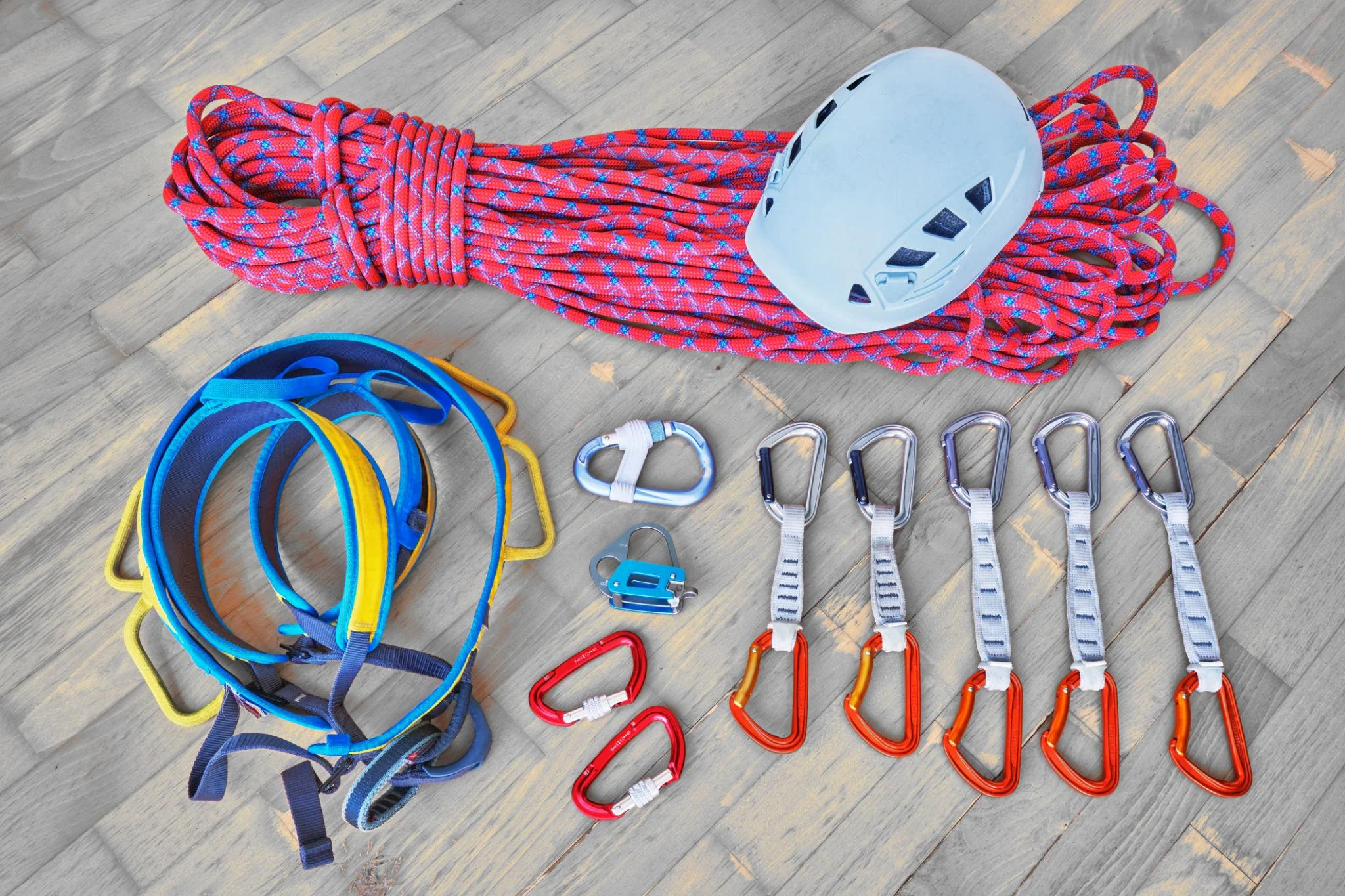
Repairability is particularly important in the climbing and mountaineering industry, where certain equipment is designed to protect users from serious injury or death.
Outdoor brands must distinguish between ordinary outdoor products and personal protective equipment (PPE) when designing repair workflows.
| Equipment | Potential repair or retirement considerations |
|---|---|
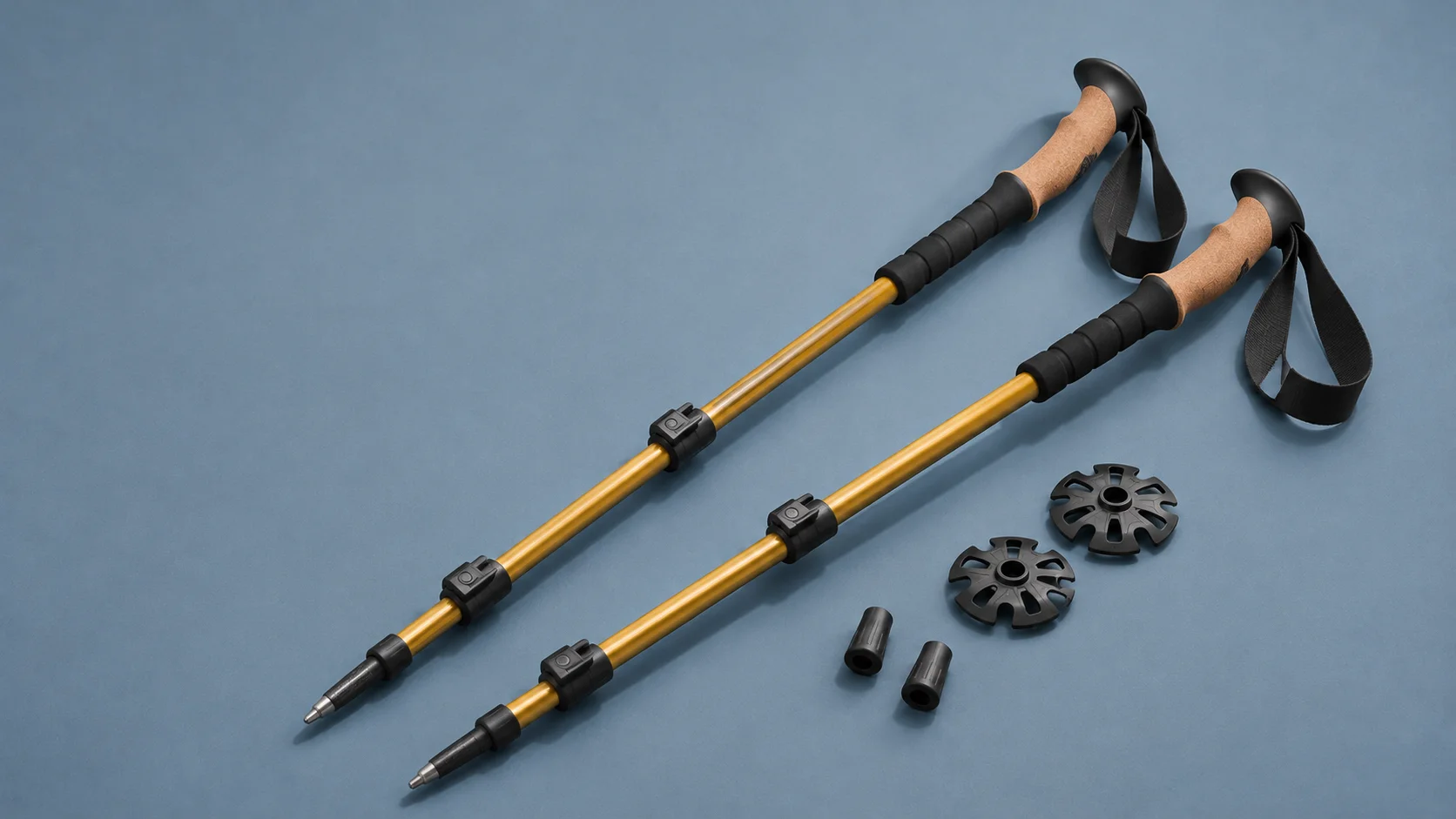
| Trekking poles | Compatible tips, baskets and other approved replaceable components may be available. |
| Headlamps | Approved straps, mounts or battery covers may be replaceable. |
| Outdoor jackets | Fabric tears and damaged zippers may be professionally repaired. |
| Tents | Damaged poles, fabric and eligible components may be repairable. |
| Climbing ropes | Damage, exceptional loading or exceeded retirement criteria may require permanent retirement. |
| Climbing harnesses | Compromised load-bearing components require assessment against manufacturer retirement criteria. |
| Climbing helmets | Damaged protective structures or significant impacts may require retirement. |
| Carabiners and belay devices | Structural damage, excessive wear or failed inspections may require retirement. |
| Avalanche safety equipment | Faults require manufacturer-directed technical assessment and approved servicing where available. |
These examples are not a substitute for product-specific inspection, repair and retirement instructions.
Petzl's equipment guidance identifies exceptional loading, unknown usage history and failed inspections among the circumstances that can require equipment retirement.
Suspected damage to safety-critical equipment should trigger an immediate stop-use instruction and qualified assessment. Warranty approval should never be treated as confirmation that equipment is safe to use.
Managing climbing gear warranty claims
A climbing gear warranty claim may require much more documentation than a standard ecommerce return.
Service teams need enough information to identify the product, understand its history and determine whether a reported issue represents a manufacturing defect, normal wear or a potential safety concern.
A dedicated climbing gear warranty workflow should collect:
- Product name and model.
- Serial number or production batch, where available.
- Purchase date and documentation.
- Manufacturing date.
- Description of the reported issue.
- Photographs of the product and affected areas.
- Relevant usage and inspection history.
- Details of any significant impact or exceptional loading.
Potential safety issues should be automatically routed to qualified product specialists rather than handled through standard automated warranty approvals.
Where physical inspection is necessary, the brand should coordinate the return and assessment before determining the appropriate resolution.
How to handle a ski equipment warranty claim
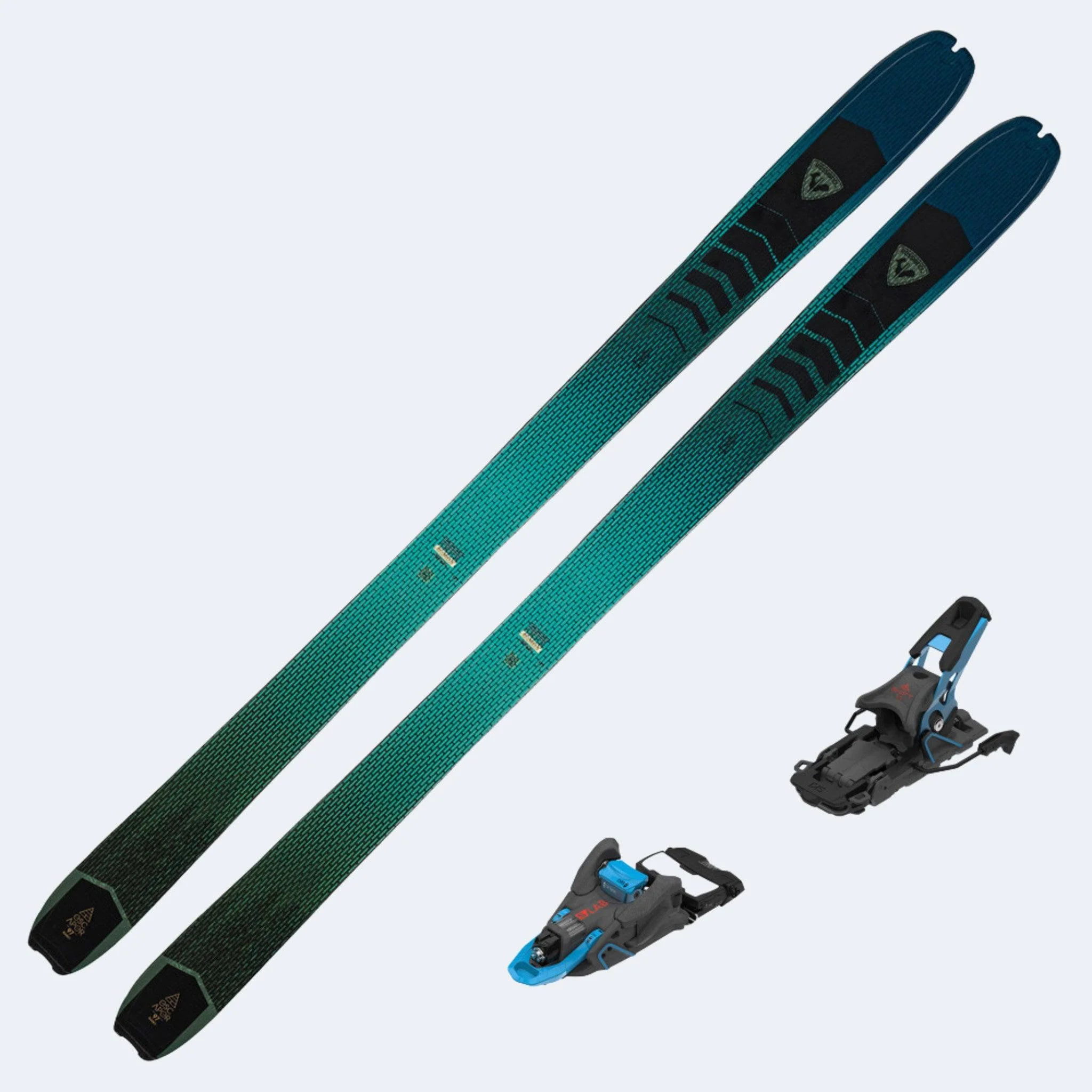
Ski equipment introduces its own set of aftersales challenges. Manufacturers need to distinguish between production defects, accidental damage, normal wear and issues associated with installation or servicing.
For example, a ski equipment warranty claim involving delamination may require a different assessment from a broken ski pole or a defective touring binding.
A product-specific warranty workflow can collect relevant documentation such as:
- Ski or equipment model and production year.
- Serial number and purchase documentation.
- Photographs showing the reported issue.
- Details of previous servicing or repairs.
- Binding installation information, where relevant.
- Description of the circumstances surrounding the failure.
Claims involving bindings, avalanche equipment or other safety-critical components should be routed to appropriately qualified specialists.
Connecting these workflows with retail partners also helps manufacturers coordinate local inspections and authorized repairs where appropriate.
Managing spare parts for trekking poles and headlamps
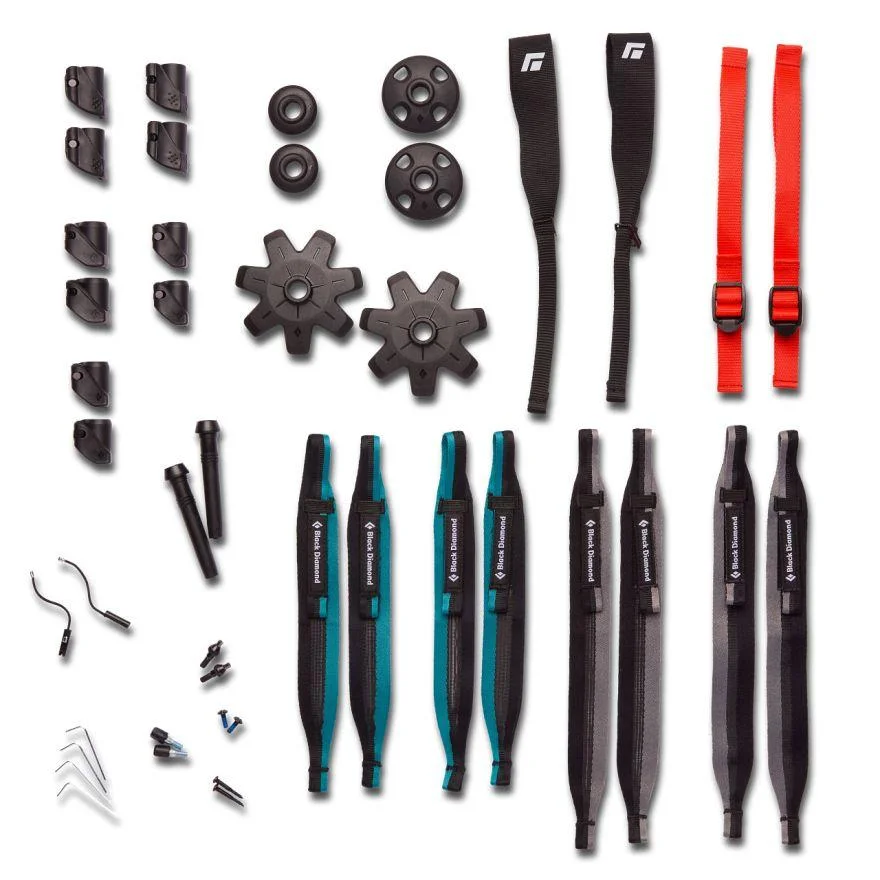
Small component failures don't always justify replacing an entire product. An otherwise functional trekking pole or headlamp may only need an approved replacement part.
Black Diamond's repair program, for example, includes spare parts intended to extend the usable life of products such as trekking poles, headlamps and tents.
Outdoor brands can build spare parts catalogs around common product issues.
| Product | Example replacement parts |
|---|---|
| Trekking poles | Tips, baskets and approved replacement sections. |
| Headlamps | Headbands, mounts and battery covers. |
| Tents | Pole sections, stakes and guylines. |
| Backpacks | Buckles and approved straps. |
| Technical apparel | Zipper pulls and compatible repair materials. |
| Ski climbing skins | Compatible tip and tail attachments. |
Replacement parts must be compatible with the specific product and approved for the intended repair.
Connecting spare parts catalogs with warranty claims helps service agents identify the right component without repeatedly searching through technical documentation and inventory systems.
How do retail partners submit warranty claims to outdoor brands?
Many outdoor brands sell through specialist climbing shops, ski retailers, outdoor stores and international distributors. These businesses often act as the first point of contact when customers experience a product issue.
When retail partner warranty claims are submitted through email, manufacturers may spend significant time requesting missing documentation, identifying products and communicating claim decisions.
A dedicated B2B warranty portal gives retail partners a consistent process for submitting warranty claims and tracking their progress.
What should a retail partner warranty portal include?
- Retailer accounts and access permissions.
- Product and article number identification.
- Purchase documentation and serial number collection.
- Product-specific warranty forms.
- Photographic evidence and issue descriptions.
- Repair and spare part requests.
- Claim status tracking.
- Communication with the manufacturer's service team.
- Replacement and reimbursement workflows.
Retail partners can follow their outstanding claims without repeatedly contacting the manufacturer for updates.
For the manufacturer, every claim arrives in a consistent format and can be assigned to the appropriate department.
Connecting ecommerce and retail warranty claims
Outdoor brands selling directly to consumers and through retail partners often manage separate aftersales processes for each channel.
Direct customers might submit requests through an ecommerce platform, while retailers send warranty claims through email or spreadsheets.
This creates fragmented product data and makes it difficult to understand the overall performance of the aftersales department.
A centralized warranty management platform should support different entry points while connecting every case to the same operational system.
Brands can maintain separate workflows for direct-to-consumer purchases, retail partner claims, distributor requests and paid repairs without losing visibility across their sales channels.
Building a dedicated repair program for outdoor equipment
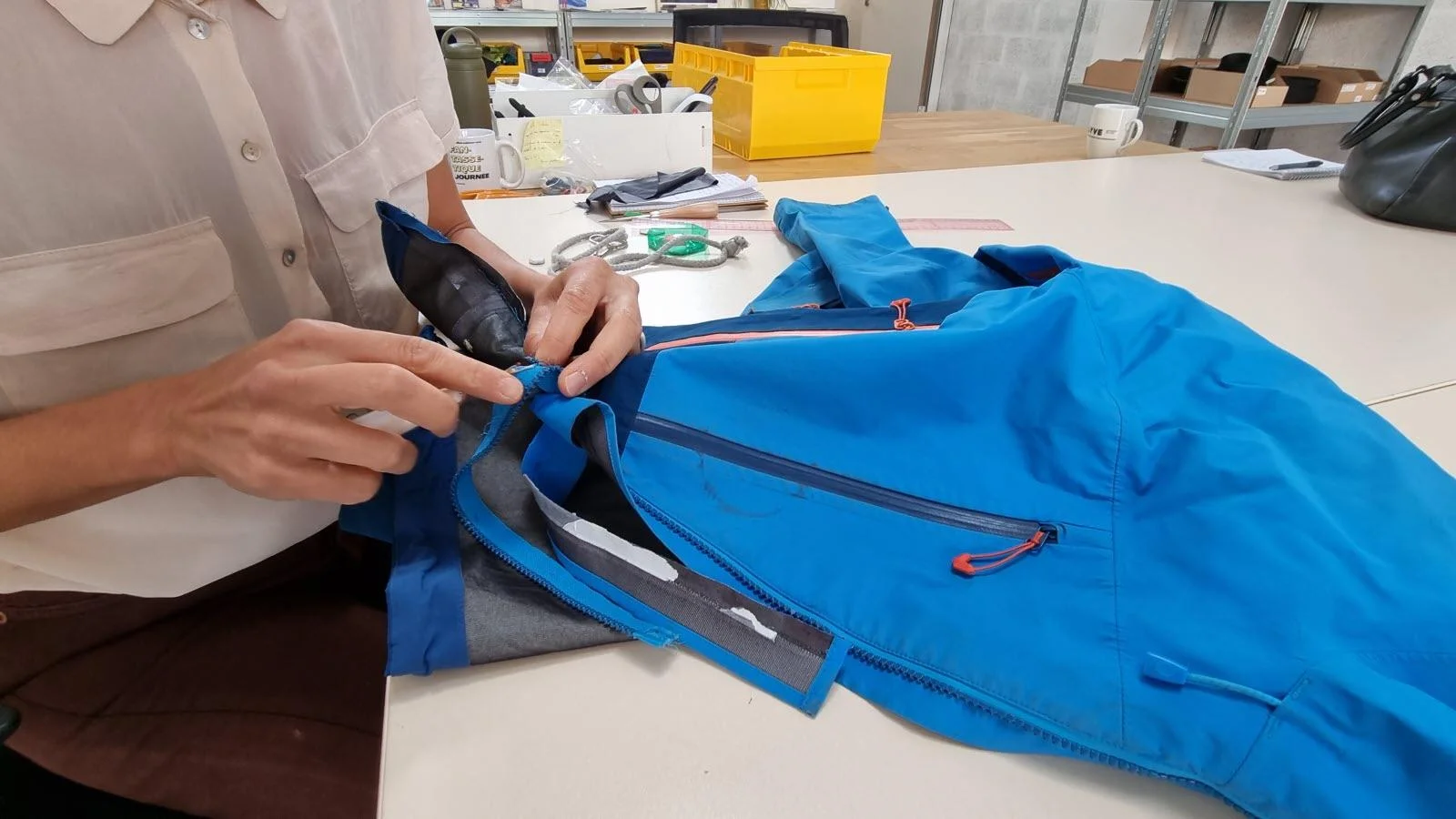
Repair services don't need to be limited to products that are still under warranty. Outdoor brands can also offer paid repairs for eligible equipment affected by accidental damage or normal wear.
This gives customers an alternative to replacing equipment they would prefer to keep using.
A dedicated repair program should include:
- Product-specific repair eligibility rules.
- A self-service repair request portal.
- Condition assessments and repair estimates.
- Customer approval of applicable repair charges.
- Spare parts and repair inventory management.
- Assignment to internal or authorized repair teams.
- Final quality and safety checks.
- Return shipping and automatic customer updates.
Repair eligibility checks can prevent customers from sending equipment that the brand doesn't service. However, initial eligibility does not replace the final technical assessment.
Paid repairs can also generate additional revenue, provided pricing accounts for labor, materials, transportation and administrative costs. Customers should not be charged for remedies they are legally entitled to receive without charge.
Automating outdoor warranty and repair workflows
Not every warranty task requires manual involvement from a customer service agent.
Many administrative steps can be automated using product information, claim documentation and predefined business rules.
| Manual task | Potential automation |
|---|---|
| Requesting missing documentation | Mandatory fields in product-specific claim forms. |
| Finding the original order | Order lookup through ecommerce integrations. |
| Assigning incoming claims | Automatic routing based on product and issue type. |
| Checking repair availability | Product-specific repair eligibility rules. |
| Updating customers | Automatic notifications when claim statuses change. |
| Creating replacement orders | Connected ERP and ecommerce workflows. |
| Following up with retail partners | Automatic reminders and shared claim tracking. |
Automating administrative work gives service teams more time to investigate complex product issues, assist customers and support repair operations.
Technical safety decisions should remain with qualified specialists following approved manufacturer procedures.
Recovering warranty costs from outdoor equipment suppliers
Outdoor equipment often contains materials and components sourced from external suppliers, including electronic components, fabrics, buckles and mechanical assemblies.
When a manufacturing defect originates from a supplied component, the outdoor brand may be able to recover some of the associated warranty costs under its supplier agreement.
Without a structured supplier claims process, these costs can be difficult to track.
A connected supplier warranty workflow should help brands:
- Identify the responsible supplier.
- Forward relevant claim documentation.
- Track supplier responses and decisions.
- Request eligible replacement components or reimbursements.
- Monitor outstanding credit notes.
- Identify recurring component failures.
Supplier cost recovery gives outdoor brands a better understanding of their actual warranty expenses and helps procurement teams identify recurring quality problems.
How Black Diamond reduced warranty resolution time by 80%
Black Diamond Equipment manufactures technical climbing, skiing and mountain equipment. Its aftersales department handles warranty claims and repair requests across a wide range of products and sales channels.
Before implementing Claimlane, Black Diamond managed much of its warranty and repair communication through an Outlook inbox. Missing documentation and seasonal increases in claim volumes made it difficult to maintain consistent response and resolution times.
According to Claimlane's published Black Diamond case study, the brand reduced its average warranty and repair resolution time from 25 days to 5 days, an 80% reduction.
Claimlane gives us a setup that keeps everything organized and easy to handle.
Tess Jordan, Senior Manager of Customer ExperienceBlack Diamond uses Claimlane to:
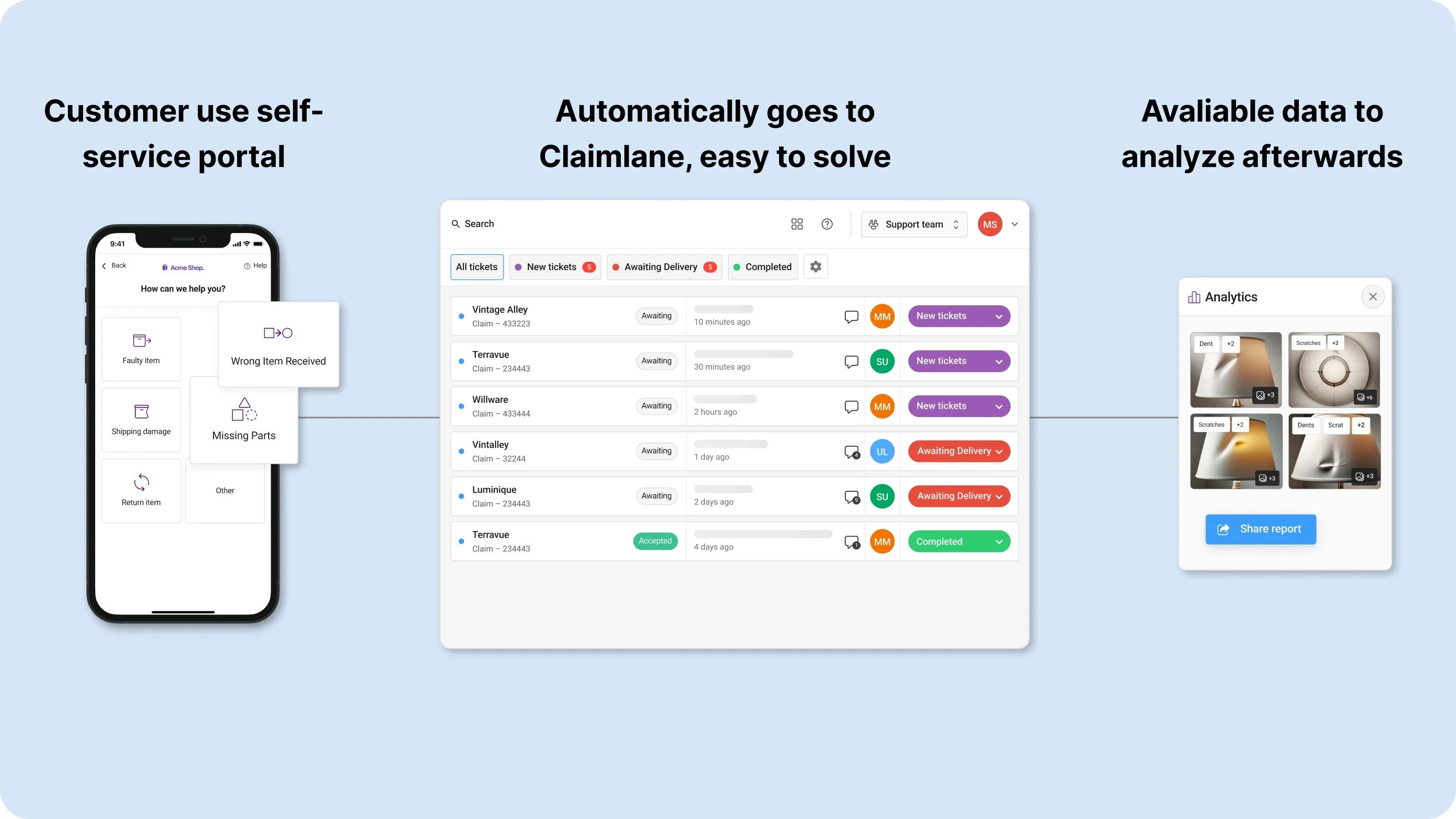
- Collect warranty claims and repair requests through a shared self-service portal.
- Separate webshop and retail-related cases into appropriate workflows.
- Check repair eligibility before accepting repair requests.
- Automatically assign cases to the relevant teams.
- Send customer updates throughout the repair process.
- Process refunds and replacements within Claimlane.
By connecting warranty management and repair operations, Black Diamond has reduced the administrative work involved in resolving complex outdoor equipment issues.
Using warranty data to improve outdoor equipment quality
Every warranty claim provides an opportunity to learn more about how outdoor equipment performs in real-world conditions.
When brands collect consistent product and defect information, aftersales data can support product development, procurement and quality assurance.
Outdoor brands should consider tracking:
- Warranty claim rates by product and production batch.
- Most frequently reported product defects.
- Average warranty and repair resolution time.
- Average cost per warranty claim.
- Repair versus replacement rates.
- Spare parts consumption.
- Revenue and margins from paid repairs.
- Supplier warranty cost recovery.
- Customer satisfaction following claim resolution.
Safety-related reports should also be documented and escalated through dedicated product safety procedures, independently of commercial warranty decisions.
With better aftersales data, outdoor brands can understand which products create the most service work, investigate recurring issues and make more informed product decisions.
Choosing warranty and repair software for outdoor brands
Standard returns management software is often designed around straightforward ecommerce refunds and exchanges. Outdoor brands need software that can also handle technical product assessments, repair eligibility, spare parts and B2B warranty claims.
When evaluating warranty management platforms, outdoor brands should consider the following capabilities.
| Capability | Why it matters |
|---|---|
| Customer self-service portal | Collects relevant product documentation upfront. |
| Retail partner portal | Centralizes B2B warranty claims and communication. |
| Product-specific workflows | Supports different claims processes for technical equipment. |
| Repair eligibility checks | Filters repair requests according to approved product rules. |
| Spare parts management | Supports compatible component replacements. |
| Specialist escalation | Routes complex and safety-related issues for qualified review. |
| Supplier claims management | Supports warranty cost recovery and supplier communication. |
| ERP and ecommerce integrations | Connects warranty decisions with operational systems. |
| Aftersales analytics | Provides visibility into product defects, repair activity and warranty performance. |
Claimlane provides a dedicated warranty and returns platform for outdoor and sporting goods brands, connecting customer claims, retail partners, repairs and back-office operations in one place.
Claimlane has a 4.8/5 rating on G2.
Frequently asked questions about outdoor gear warranties
Build a better aftersales operation for outdoor gear
Outdoor brands invest in developing equipment that customers can depend on. Their warranty and repair services should reflect that same commitment to quality and durability.
Claimlane helps outdoor brands manage warranty claims, retail partner communication, spare parts, repairs and supplier claims through one connected platform.
With less time spent on administrative work, service teams can focus on resolving product issues, delivering better customer experiences and building a financially sustainable aftersales department.
Book a personalized demo to see how Claimlane can support warranty and repair management for outdoor brands.