Why camping gear warranty management requires a repair-first approach
A broken tent pole, a leaking sleeping pad or a defective zipper doesn't necessarily mean an entire product needs to be replaced. For camping equipment brands, many warranty claims can be resolved through repairs or individual replacement parts.
However, managing these requests becomes more complicated when brands sell multiple product generations, offer lifetime warranties and distribute equipment through international retail partners.
A connected warranty and repair process helps camping brands extend product lifetimes, reduce unnecessary replacements and spend less time managing complex aftersales requests.
- Camping brands need dedicated warranty workflows for tents, sleeping pads and individual product components.
- Replacement tent poles, stakes, rainflies and other spare parts can prevent unnecessary product replacements.
- Lifetime warranties require clear eligibility rules, historical product records and separate workflows for paid repairs.
- Claimlane connects warranty claims, repairs, spare parts and retail partner communication in one aftersales platform.
What makes camping gear warranty claims complicated?
Camping equipment is exposed to demanding environments, including moisture, wind, uneven terrain and repeated assembly. When something breaks, determining whether the issue is a manufacturing defect or damage resulting from use isn't always straightforward.
Camping brands also sell products made up of multiple components, many of which can be replaced independently.
Typical camping equipment warranty requests include:
- Broken or defective tent poles.
- Damaged tent fabrics and seams.
- Faulty zippers and attachment points.
- Leaking sleeping pads.
- Defective inflation valves.
- Sleeping pad delamination.
- Damaged rainflies and tent floors.
- Missing or defective accessories.
Each issue may require different documentation, technical assessments and resolution options. A standard ecommerce returns workflow rarely provides enough flexibility to handle all these scenarios.
How do lifetime warranties on camping gear work?
Some camping equipment manufacturers offer limited lifetime warranties covering eligible manufacturing and material defects throughout the applicable lifetime of a product.
However, a lifetime warranty doesn't necessarily mean that every product failure is covered indefinitely. Normal wear, accidental damage and improper use may fall outside the manufacturer's commercial warranty.
Therm-a-Rest, for example, offers a limited lifetime warranty on its non-electronic products covering manufacturing and material defects. Damage caused by punctures, abrasion and normal wear is excluded from its published commercial warranty, although repair services may still be available.
| Reported issue | Potential assessment |
|---|---|
| Manufacturing defect in a tent seam | Potentially covered by the commercial warranty. |
| Sleeping pad valve defect | Potentially eligible for warranty repair or replacement. |
| Accidental fabric tear | May qualify for a paid repair. |
| Sleeping pad puncture | May be repairable outside warranty coverage. |
| Damage from prolonged UV exposure | Requires assessment against the applicable warranty terms. |
| Normal material degradation | May fall outside commercial warranty coverage. |
These are illustrative examples rather than universal warranty conditions.
Camping brands must distinguish commercial lifetime warranties from statutory consumer rights and voluntary return policies. In markets such as the UK, EU and US, applicable consumer protections may exist independently of a manufacturer's commercial warranty.
How to handle a tent warranty claim
A tent consists of several interconnected components, making it important to identify exactly which part has failed before deciding how to resolve a claim.
When a customer submits a tent warranty claim, the service team should receive enough documentation to identify the product, understand the issue and assess possible remedies.
A dedicated tent warranty form should collect:
- Original purchase details.
- Tent model and product generation.
- Product identification or batch number, where available.
- Photographs of the affected component.
- A description of the reported issue.
- Relevant information about product use and maintenance.
- Details of previous repairs or replacement parts.
For example, a customer reporting a leaking tent might have a defective seam, damaged rainfly or an issue unrelated to a manufacturing defect. Collecting the appropriate documentation helps the service team determine whether further assessment is necessary.
Product-specific claim forms also reduce the need for service agents to repeatedly request additional photographs or product details.
Can you get replacement parts for tents?

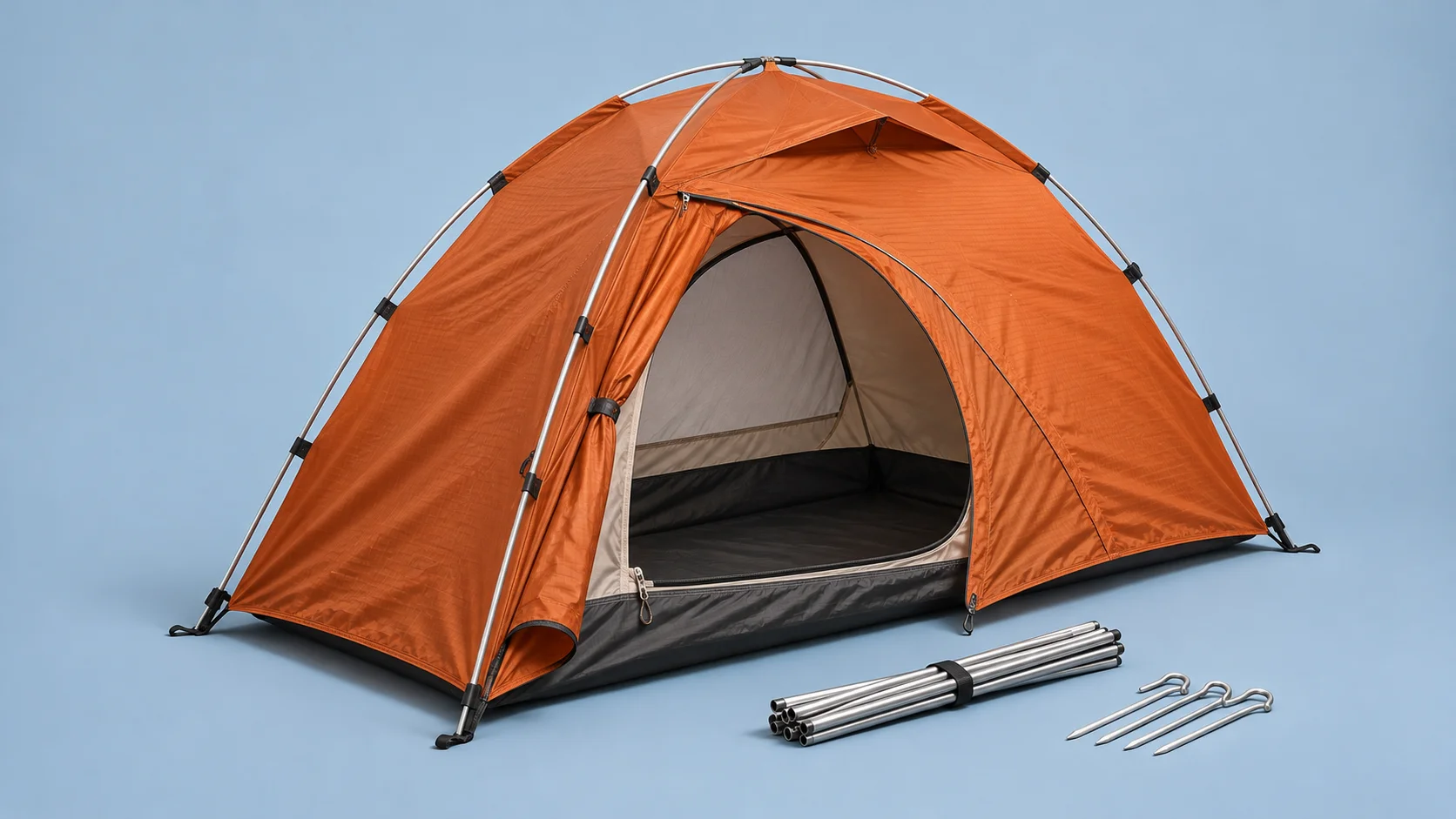
Many camping brands offer replacement parts for selected tent models. Depending on the manufacturer and product generation, customers may be able to purchase or receive replacement poles, rainflies, stakes and other components.
MSR, for example, offers replacement pole sets and rainflies for selected tent models. Its support guidance recommends identifying the exact model and production year before selecting replacement parts.
For camping brands, offering individual components creates an alternative to replacing an entire tent whenever a single part becomes damaged.
| Tent component | Potential replacement option |
|---|---|
| Tent poles | Compatible pole sections or complete pole assemblies. |
| Tent stakes | Replacement stakes suitable for the tent and intended use. |
| Rainfly | Model-specific replacement rainfly. |
| Guylines | Compatible replacement cords and tensioners. |
| Pole connectors | Approved replacement hubs or connection components. |
| Storage bags | Compatible tent, pole and stake bags. |
| Tent inner | Replacement inner tent where available. |
Replacement parts must be compatible with the specific tent configuration. Using an unsuitable pole or structural component could compromise the tent's performance and stability.
Tent replacement parts: tent poles and stakes
Tent poles and stakes are particularly suitable for individual replacement when the remaining equipment is in usable condition.
However, managing replacement tent poles involves more than keeping a general inventory of aluminum or fiberglass components. Different tents can use different pole lengths, diameters, connection systems and structural designs.
A camping brand's spare parts catalog should include:
- Compatible tent models.
- Product generations and production years.
- Pole materials and dimensions.
- Individual sections and complete pole assemblies.
- Approved replacement components.
- Inventory availability.
- Assembly and installation documentation.
Connecting this catalog with the warranty management process allows service agents to identify the correct replacement component without repeatedly consulting product specialists.
It also helps prevent incorrect parts from being shipped, creating additional costs and delays for customers.
Can you get tents repaired?

Many tents can be repaired, depending on their condition, construction and the nature of the damage. Common repairable issues may include fabric tears, faulty zipper sliders and damaged replaceable pole sections.
Some manufacturers provide approved repair kits and instructions, while others operate dedicated repair centers or work with external service partners.
Big Agnes, for example, offers product repair services and replacement components to help customers continue using their camping equipment.
Which tent repairs can camping brands offer?
| Reported issue | Potential resolution |
|---|---|
| Small fabric tear | Approved repair patch or professional fabric repair. |
| Defective zipper | Compatible zipper slider replacement or professional zipper repair. |
| Broken pole section | Approved replacement section or pole assembly. |
| Damaged guyline | Compatible replacement guyline. |
| Damaged seam | Manufacturer-approved seam repair. |
| Extensive material degradation | Technical assessment to determine whether repair remains suitable. |
Not every damaged tent should be repaired. Brands need clear assessment procedures for equipment with compromised structural integrity or materials that can no longer perform as intended.
Repair teams should also carry out appropriate quality checks before returning serviced equipment to customers.
Managing sleeping pad warranty claims

Sleeping pads present a different set of technical challenges from tents. Inflatable and self-inflating sleeping pads rely on airtight materials, valves and internal construction to function correctly.
When a sleeping pad loses air, the underlying cause may be a puncture, defective valve, damaged seam or another construction issue.
Aftersales teams need enough information to distinguish between these scenarios before approving a warranty replacement.
| Sleeping pad issue | Potential resolution |
|---|---|
| Small puncture | Approved repair kit or professional repair. |
| Defective inflation valve | Technical assessment and compatible valve replacement where supported. |
| Leaking seam | Warranty assessment and approved repair or replacement. |
| Internal delamination | Technical assessment to determine whether replacement is necessary. |
| Damaged external fabric | Repair assessment based on material condition. |
| Unidentified air loss | Manufacturer-approved troubleshooting or physical inspection. |
These potential resolutions depend on the manufacturer's product instructions and the condition of the equipment.
Therm-a-Rest's published support guidance, for example, distinguishes covered manufacturing defects from punctures and other repairable damage that may be serviced for a fee.
Separating a camping tent warranty claim or return
Customers contacting camping equipment brands may want to return an unused tent, report a manufacturing defect or request repairs for equipment they've owned for years.
Although these requests may arrive through the same customer service channel, they require different operational processes.
| Request type | Appropriate workflow |
|---|---|
| Change-of-mind return | Return eligibility, product condition assessment and refund or exchange. |
| Manufacturing defect | Warranty eligibility, defect assessment and appropriate remedy. |
| Accidental damage | Assessment of applicable coverage, repair options and customer rights. |
| Missing component | Order verification and replacement part fulfillment. |
| Out-of-warranty repair | Repair eligibility, quotation and customer approval. |
| Spare part purchase | Compatibility verification, payment and fulfillment. |
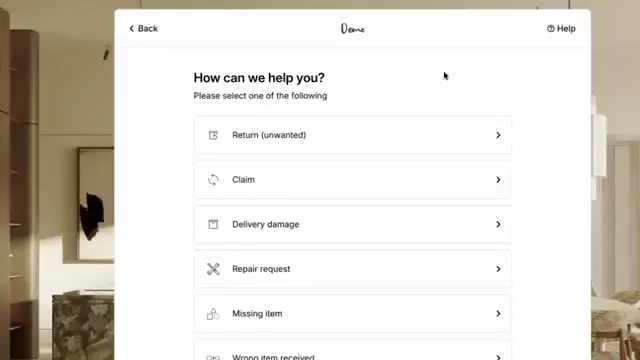
A self-service portal can direct customers to the appropriate workflow based on their product and reason for contacting the brand.
This allows service teams to manage a camping tent warranty claim or return without treating every incoming request as the same type of case.
Building a spare parts catalog for camping equipment

One challenge associated with long product warranties is maintaining access to replacement components for older camping equipment.
A customer might request a replacement tent pole several product generations after the original purchase. If the service team can't identify the correct component, an otherwise repairable tent may need a different resolution.
Camping brands can address this challenge by connecting product records with a structured spare parts catalog.
Useful catalog data includes:
- Product models and historical model generations.
- Original component identification numbers.
- Compatible replacement parts.
- Bills of materials and assembly diagrams.
- Product-specific repair instructions.
- Current and discontinued inventory.
- Approved alternative components.
- Supplier and fulfillment information.
Big Agnes highlights the importance of identifying the model and year of camping equipment when requesting replacement components. Its support documentation also describes how specific tent identification codes help its team select the correct parts.
Connecting this information with warranty claims makes it easier to support older products without relying entirely on the knowledge of individual employees.
Handling warranty claims without returning the entire tent
Returning a complete camping tent because of a broken pole or defective accessory can create unnecessary transportation, inspection and storage costs.
Where a product issue can be assessed remotely and resolved safely, brands may be able to send the affected component directly to the customer.
Example workflow for a defective tent pole
- The customer submits a warranty claim through a self-service portal.
- The portal collects product details and photographs of the damaged pole.
- The service team identifies the exact tent model.
- The claim is assessed against the applicable warranty conditions.
- A compatible replacement pole is identified.
- The replacement component is shipped with approved installation instructions.
- The customer receives shipment updates and the case is closed once resolved.
If physical inspection is necessary, the brand can arrange the return of the affected component or complete product as appropriate.
This approach reduces unnecessary product movements while ensuring that technical assessments remain part of the warranty process.
Managing paid repairs and lifetime warranty commitments
Lifetime warranties can strengthen customer confidence, but they also create long-term service obligations under the applicable warranty terms.
Camping brands need to distinguish covered defects from repairable damage that falls outside commercial warranty coverage.
Offering paid repair services gives customers another option when their equipment can still be restored to a suitable condition.
| Warranty-covered repair | Paid repair |
|---|---|
| Eligible defect covered by the warranty. | Repairable damage outside applicable free-remedy obligations. |
| Warranty eligibility assessment. | Repair feasibility and pricing assessment. |
| Resolution according to applicable warranty and consumer rights. | Customer approval of the repair quotation. |
| Costs recorded against warranty operations. | Repair revenue recorded alongside labor and material costs. |
Both processes can share the same repair teams, spare parts inventory and fulfillment systems while maintaining separate financial records.
Paid repairs should never replace a free remedy that a customer is legally or contractually entitled to receive.
Managing camping gear warranty claims from retail partners
Camping equipment brands often distribute their products through specialist outdoor stores, national retailers and international distributors.
When a tent or sleeping pad develops a defect, the customer may contact the retailer rather than the manufacturer directly.
A dedicated B2B warranty portal gives retail partners a consistent way to submit these requests without relying on separate email conversations.
Retail partner workflows should support:
- Retailer accounts and access permissions.
- Product identification and purchase documentation.
- Product-specific defect descriptions.
- Photographic and video evidence.
- Repair and replacement part requests.
- Warranty decisions and claim status tracking.
- Reimbursement and credit note management.
Manufacturers can then manage direct customer requests and retail partner claims through the same operational platform while maintaining different workflows for each sales channel.
How Black Diamond manages warranty claims and repairs

Black Diamond Equipment sells technical outdoor products across climbing, skiing and mountain sports. Its aftersales operations provide a relevant example of how outdoor brands can manage complex warranty and repair requests.
Before implementing Claimlane, Black Diamond relied heavily on email to collect and process incoming cases. Unstructured requests and missing documentation created additional work before the team could begin resolving product issues.
According to Claimlane's published customer case study, Black Diamond reduced its warranty and repair turnaround from 25 days to 5 days after introducing connected workflows.
Claimlane helps us deliver the level of service our customers expect from us.
Tess Jordan, Senior Customer Experience Manager, Black DiamondBlack Diamond's aftersales setup now supports:
- A shared portal for warranty and repair requests.
- Different workflows for webshop and retailer purchases.
- Product-specific repair eligibility checks.
- Case assignment to the appropriate service or repair team.
- Automatic customer notifications throughout the repair process.
Camping equipment brands can apply similar principles when managing tent repairs, sleeping pad warranty claims and replacement components.
Using warranty data to improve camping equipment quality
Every defective tent pole, leaking sleeping pad and damaged zipper provides information about how camping equipment performs after purchase.
Collecting this information consistently helps manufacturers investigate recurring product issues and make better decisions about spare parts availability, product design and supplier relationships.
Camping brands should consider tracking:
- Warranty claim rates by product and model generation.
- Most frequently reported defects.
- Replacement tent pole and component demand.
- Sleeping pad valve and material-related failures.
- Average warranty and repair resolution time.
- Repair versus replacement rates.
- Average resolution cost by product category.
- Paid repair revenue and margins.
- Supplier warranty cost recovery.
These measures can help brands identify frequently requested spare parts, investigate potential manufacturing issues and plan long-term aftersales support.
Choosing warranty and repair software for camping brands
Traditional returns software is often designed around refunds, exchanges and return shipping. Camping equipment brands need additional capabilities to manage technical product assessments, lifetime warranties and component-level repairs.
| Capability | Why it matters for camping brands |
|---|---|
| Customer self-service portal | Collects the relevant product documentation upfront. |
| Custom warranty workflows | Supports different processes for tents, sleeping pads and accessories. |
| Repair eligibility checks | Identifies products that may qualify for approved repairs. |
| Spare parts management | Connects claims with compatible replacement components. |
| Historical product information | Supports warranty requests for older product generations. |
| B2B retail partner portal | Centralizes warranty requests from retailers and distributors. |
| Supplier claims management | Supports eligible warranty cost recovery. |
| ERP and ecommerce integrations | Connects warranty decisions with inventory and operational systems. |
| Warranty analytics | Helps identify recurring defects and spare parts requirements. |
Claimlane provides a dedicated warranty and returns management platform for outdoor and sporting goods brands, helping camping equipment manufacturers manage complex aftersales requests through one connected platform.
Claimlane has a 4.8/5 rating on G2.
Frequently asked questions about camping gear warranties
Keep camping gear in use for longer
Camping brands build equipment designed to accompany customers on adventures for years. Their warranty and repair services should support that same ambition.
Claimlane connects warranty claims, repairs, spare parts, retail partners and operational systems through one aftersales management platform.
By making it easier to identify replacement components, assess repair eligibility and resolve product issues, camping brands can reduce unnecessary replacements, protect their margins and build stronger customer relationships.
Book a personalized demo to see how Claimlane can support warranty and repair management for camping equipment brands.