Why bike and e-bike warranty management is complex
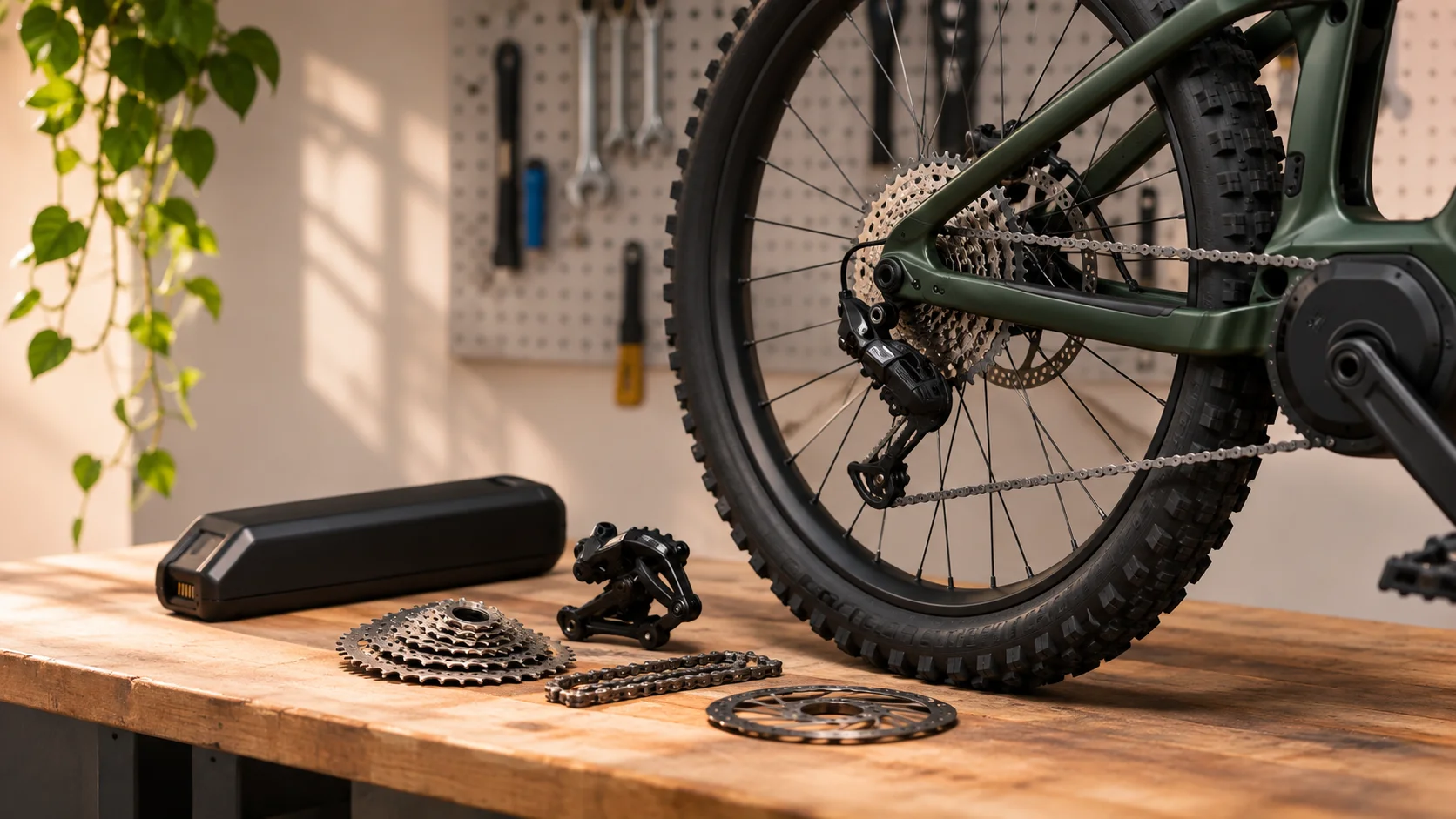
A cracked mountain bike frame, a faulty e-bike battery or a defective motor can quickly turn an otherwise happy customer into a frustrated one. How a bike brand handles these issues can determine whether that customer returns for their next purchase.
Unlike conventional ecommerce returns, bike and e-bike warranty claims often involve technical assessments, individual components, serial numbers, dealerships and multiple suppliers.
Bike manufacturers need an aftersales setup that connects all these moving parts while keeping warranty costs under control and getting customers back on their bikes as quickly as possible.
- Bike and e-bike warranty claims require dedicated workflows for frames, batteries, motors and individual components.
- Dealer portals and serial number validation help reduce manual work and improve claim documentation.
- Spare parts management, repairs and supplier cost recovery can reduce the overall cost of aftersales.
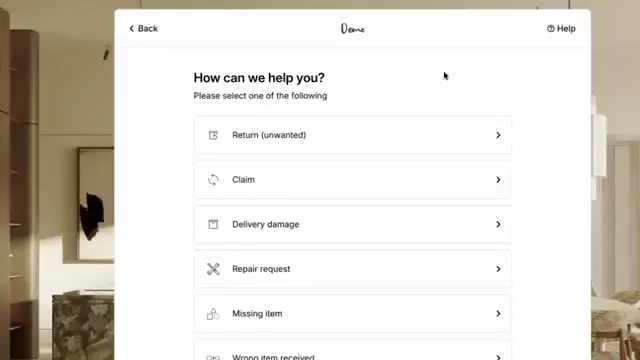
- Claimlane connects warranty claims, dealer communication, spare parts and returns in one platform.
How does a bike warranty work?
A bike warranty typically covers manufacturing defects and certain product failures under the conditions specified by the manufacturer. Coverage varies depending on the brand, product, component and market.
Unlike products with a single warranty policy, bicycles are assembled from multiple components that may have different warranty terms and responsible suppliers.
Bike manufacturers often need to manage warranties across:
- Bicycle frames and forks.
- Electric motors and drive systems.
- Batteries and charging equipment.
- Suspension systems.
- Electronic displays and controllers.
- Drivetrain and braking components.
- Accessories and replacement parts.
Commercial warranties should be managed separately from statutory consumer rights and voluntary return policies. Warranty exclusions don't necessarily remove a customer's legal entitlement to a remedy.
Understanding e-bike warranty coverage
Electric bicycles introduce additional complexity because they combine mechanical components with electronics, software and battery systems.
When an electric bike stops working, the underlying issue isn't always immediately obvious. A customer reporting a loss of motor assistance could be experiencing a battery, sensor, wiring or motor problem.
Aftersales teams need dedicated workflows that collect the right documentation for each type of issue.
| Warranty category | Common reported issues | Potential resolution |
|---|---|---|
| Bike frame | Cracks or structural defects | Technical assessment or replacement |
| E-bike battery | Charging failures or capacity loss | Diagnostics or battery replacement |
| Electric motor | Loss of assistance or unusual noise | Professional repair or replacement |
| Electronic display | Error messages or connectivity issues | Troubleshooting or replacement |
| Mechanical components | Premature failure or manufacturing defects | Repair or spare part |
| Charging equipment | Charging or power supply issues | Technical assessment or replacement |
Each category may require different documentation, approval processes and technical expertise.
How to manage e-bike battery warranty claims
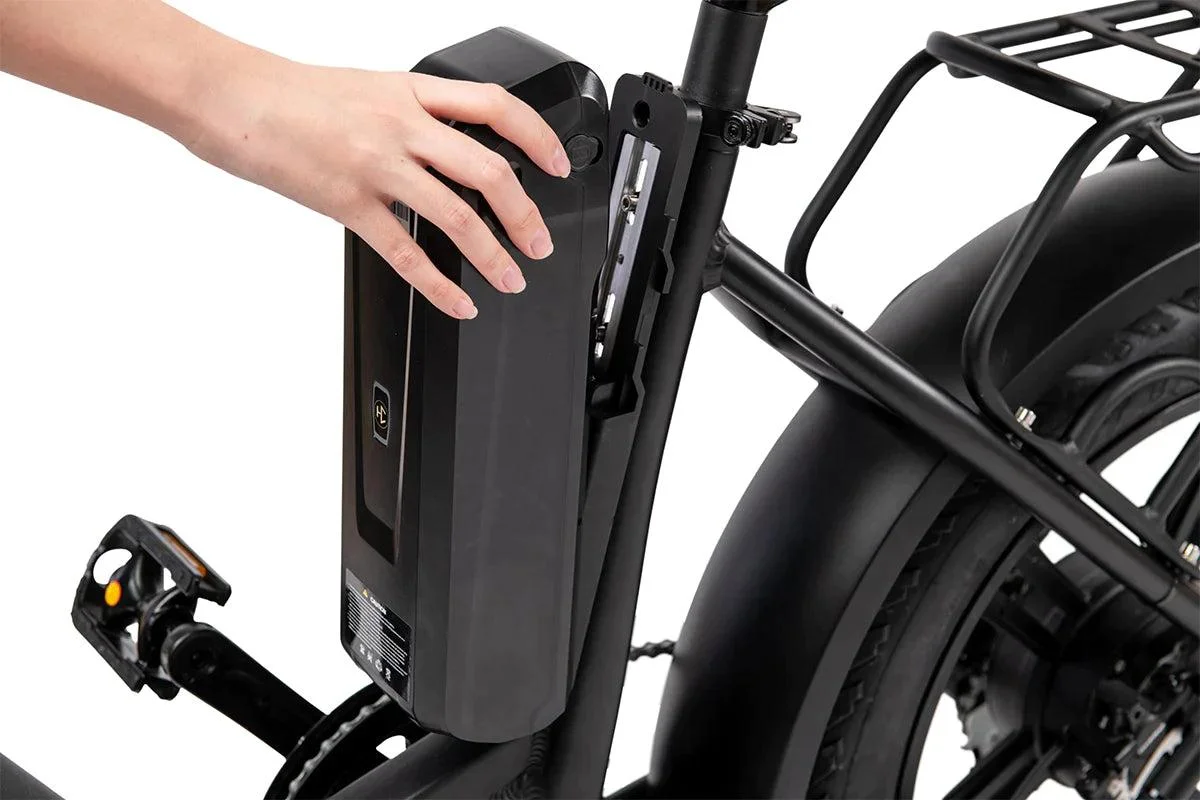
The battery is one of the most important components of an electric bicycle. Battery-related warranty claims can be expensive to resolve and may require specialist handling.
An e-bike battery warranty workflow should collect relevant information before the service team begins assessing the claim.
This can include:
- Battery model and serial number.
- Original purchase date.
- Reported charging or performance issues.
- Available battery diagnostic reports.
- Error codes and relevant photographs, where safe.
- Details of previous repairs or replacements.
Battery warranty policies may distinguish between manufacturing defects and normal capacity degradation. Aftersales teams need access to the applicable warranty terms when assessing a claim.
Damaged, swollen or overheating batteries should be escalated through dedicated product safety procedures rather than standard returns workflows. Any transportation must follow applicable dangerous goods requirements.
Managing bike frame warranty claims
A bike frame warranty often requires more detailed assessments than a standard component replacement. Frame size, material, model year and production details can all influence the resolution.
Some manufacturers also offer separate frame warranties or crash replacement programs with different eligibility conditions.
A dedicated frame and component warranty workflow should help manufacturers distinguish between:
- Potential manufacturing defects.
- Accidental damage.
- Normal wear and tear.
- Damage potentially associated with improper assembly.
- Claims requiring specialist structural assessments.
- Eligible crash replacement requests.
Potential structural failures should always be routed to qualified product specialists. Aftersales automation should support these assessments rather than replace them.
How to manage bike dealer warranty claims
Many bicycle manufacturers distribute their products through independent bike shops, dealerships and distributors. This means the person submitting a warranty claim isn't necessarily the person who purchased or uses the bicycle.
When dealers submit claims through email, manufacturers must manually collect documentation, identify products, communicate decisions and arrange replacements.
A dedicated B2B warranty portal gives dealerships a consistent way to submit and manage claims.
What should a bike dealer warranty portal include?
- Dealer-specific accounts and access permissions.
- Product identification through serial numbers.
- Mandatory documentation based on the reported issue.
- Photo and video uploads.
- Technical assessment and repair requests.
- Spare part and component replacement requests.
- Claim status tracking and communication.
- Warranty reimbursement and credit note workflows.
Both the dealership and manufacturer can follow the same case without losing important documentation across separate email conversations.
Why serial number validation matters for bicycle brands
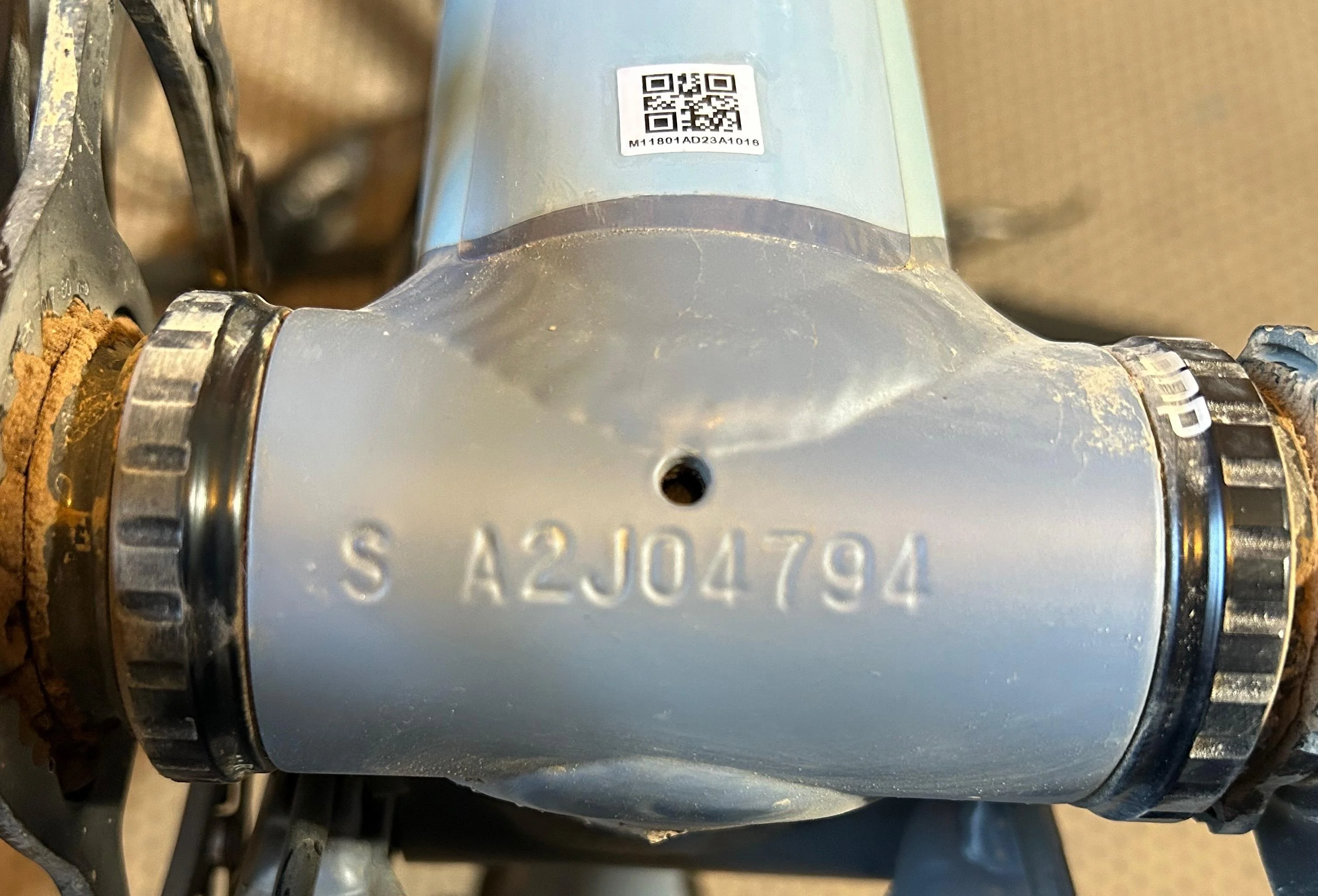
Bike manufacturers sell products across different model years, frame sizes, configurations and component combinations. A product name alone isn't always enough to identify the correct bicycle.
Serial number validation helps manufacturers connect warranty claims with their product records.
Depending on the available product data, this can help identify:
- The original bicycle model and configuration.
- Production batches and model years.
- Applicable warranty conditions.
- Compatible replacement components.
- Previous warranty claims and service history.
- Potential duplicate claims.
Serial numbers can also help manufacturers investigate recurring defects associated with specific production batches.
Where a serial number cannot be matched, the claim should be routed for manual verification rather than automatically rejected.
Warranty registration for bikes and e-bikes
Manufacturers selling through dealerships don't always have a direct relationship with the end customer. Warranty registration helps establish that connection after the original purchase.
Customers can register their bicycles through a dedicated portal using their purchase details, serial number and proof of purchase.
This gives manufacturers a better foundation for managing future warranty requests, communicating relevant product information and identifying registered product owners.
Manufacturers can also use registration workflows to administer extended commercial warranties where applicable. Registration requirements should not be confused with statutory consumer rights.
Spare parts software for e-bike brands
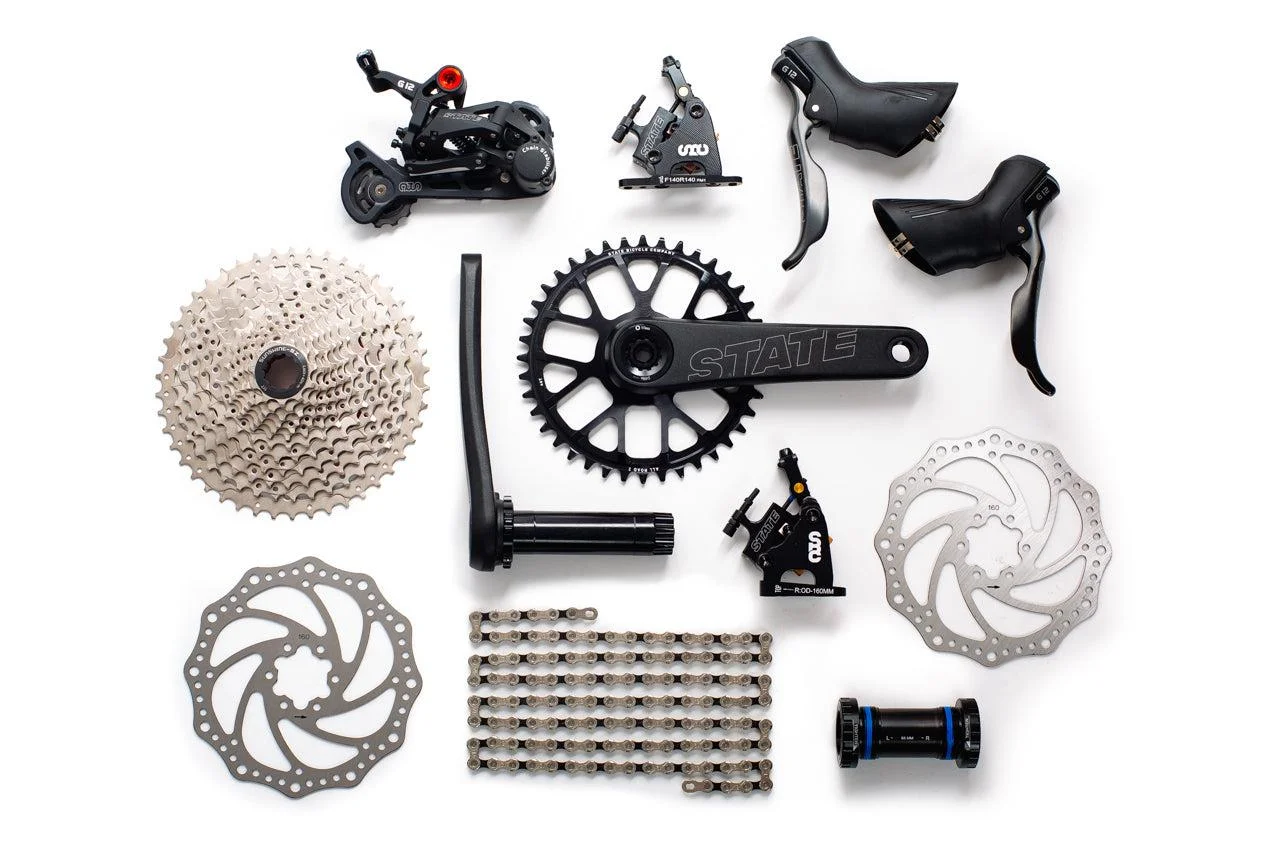
Finding the correct replacement part is a major operational challenge for bicycle manufacturers. Components that look similar may not be compatible with different frame sizes, model years or electrical systems.
Without connected product and spare parts data, service agents often rely on spreadsheets, technical manuals and internal product specialists to identify the right component.
Spare parts software for e-bike brands should connect warranty claims with relevant product information, compatibility records and inventory systems.
Essential spare parts management capabilities
- Product and component catalogs.
- Bill of materials (BOM) data.
- Model-specific parts compatibility.
- Assembly guides and technical documentation.
- Inventory availability through connected systems.
- Replacement part order creation.
- Shipment tracking and customer notifications.
Managing spare parts for bikes and e-bikes within the warranty process helps service teams identify suitable replacement components without repeatedly switching between systems.
Connecting warranty claims and parts replacement for bikes
A warranty claim doesn't always need to result in a complete bicycle replacement. When appropriate, sending a compatible component or arranging a professional repair can resolve the issue at a lower cost.
The challenge is connecting the original claim with everything that happens after approval.
A connected warranty and parts replacement process could work as follows:
- A customer or dealer submits a warranty claim through a portal.
- The bicycle and relevant component are identified.
- The required documentation and warranty eligibility are reviewed.
- A service agent or product specialist approves the appropriate resolution.
- A compatible spare part is selected.
- A replacement or service order is created in the connected ERP system.
- The customer or dealer receives updates until the case is resolved.
This keeps the entire warranty process connected to the original product issue, including its documentation, communication and operational costs.
Repair instead of replacing the entire bicycle
Replacing an entire bicycle because of a defective component can create unnecessary product, transportation and handling costs.
Repair-first workflows give manufacturers more flexibility when resolving warranty claims. Where appropriate, a local dealership or authorized service center can carry out the repair instead of returning the complete bicycle to the manufacturer.
| Resolution | When it may be appropriate | Costs to consider |
|---|---|---|
| Troubleshooting | Non-safety-critical configuration issues | Service agent time |
| Spare part replacement | Isolated replaceable component failure | Part and shipping costs |
| Dealer repair | Issues requiring professional installation | Parts and dealer labor |
| Complete replacement | Products that cannot be safely or economically repaired | Product and transportation costs |
| Refund | Where required or otherwise appropriate | Refund and handling costs |
The appropriate resolution depends on product safety, warranty eligibility, applicable consumer rights and the customer's circumstances. Cost alone should never determine how a claim is resolved.
Managing bike returns across multiple sales channels
Bicycle brands increasingly sell through a combination of ecommerce stores, physical retailers, dealerships and distributors.
Each sales channel may require a different returns process, but manufacturers benefit from having a central overview of all aftersales activity.
A bike returns management platform should support workflows for:
- Direct-to-consumer ecommerce returns.
- Damaged products received by customers.
- Incorrect bicycle or component deliveries.
- Dealer warranty claims.
- Business-to-business returns.
- Repair and service requests.
- Component exchanges and replacements.
By separating standard returns from technical warranty claims, service teams can collect relevant documentation and route cases to the appropriate department from the beginning.
Recovering warranty costs from component suppliers
Bicycle manufacturers often source motors, batteries, suspension systems and other components from external suppliers.
When a component fails, the manufacturer may be entitled to recover some of the associated warranty costs, depending on its supplier agreements.
Managing these claims through disconnected email conversations makes it difficult to track outstanding reimbursements and supplier decisions.
A connected supplier warranty process should allow manufacturers to:
- Identify the responsible component supplier.
- Forward relevant warranty documentation.
- Track supplier responses and approvals.
- Record replacement components and reimbursements.
- Monitor outstanding credit notes.
- Measure unrecovered warranty costs.
This gives finance and aftersales teams a clearer understanding of the actual cost of warranty claims and recurring supplier-related issues.
How Rocky Mountain manages bike dealer warranty claims
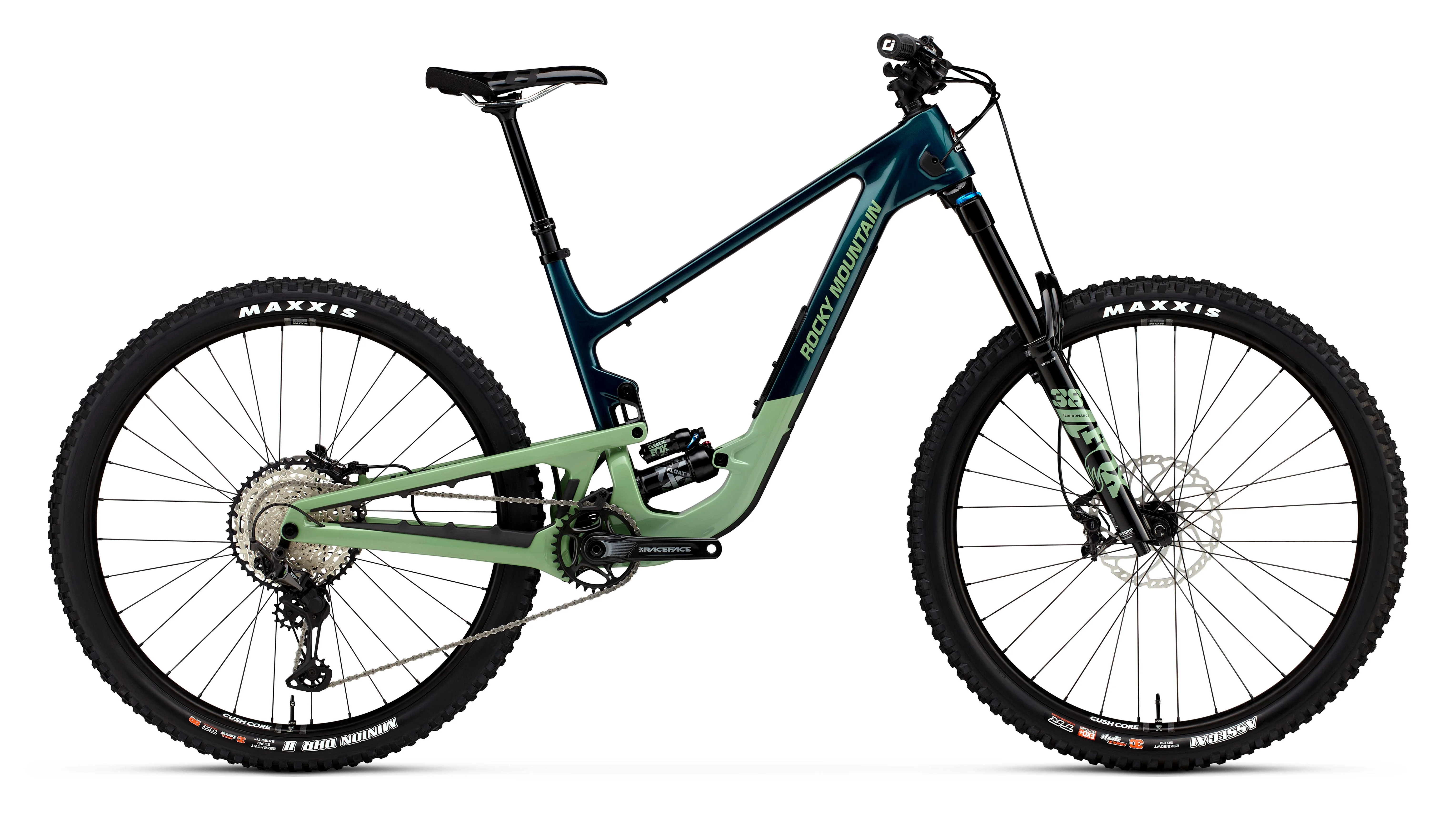
Rocky Mountain, a Canadian mountain bike brand, previously relied on form submissions and manual processing in Microsoft Dynamics NAV to manage dealer warranty claims.
Each claim could require serial number validation, spare parts identification and the creation of a replacement or service order. Moving information between disconnected systems made the process harder to manage consistently.
With Claimlane, Rocky Mountain connected its dealer warranty process with product information, spare parts and its ERP system.
Claimlane developers were really quick to answer my questions and could be easily booked on a call to discuss issues or change requests.
Elliot Landry, IT Supervisor, Rocky MountainRocky Mountain now uses Claimlane to:
- Collect dealer warranty claims through a structured B2B portal.
- Capture serial numbers and product documentation upfront.
- Connect warranty claims with compatible spare parts.
- Keep dealer communication connected to individual claims.
- Connect warranty and replacement workflows with Dynamics NAV.
The result is a more consistent warranty process across its dealership network, with less manual data entry and fewer disconnected systems.
Using warranty data to improve bicycle quality
Every warranty claim contains information that can help manufacturers better understand how their bicycles perform after purchase.
When warranty data is collected consistently, product development, quality assurance and procurement teams can use it to investigate recurring issues.
Bike manufacturers should consider tracking:
- Warranty claims by bicycle model.
- Claim rates relative to units sold.
- Frame and component failure reasons.
- Battery and motor-related issues.
- Defects associated with production batches.
- Average warranty resolution time.
- Repair and replacement costs.
- Supplier cost recovery.
- Customer satisfaction following warranty resolutions.
Connected warranty data helps manufacturers identify products requiring investigation, make better purchasing decisions and understand how aftersales affects their bottom line.
Returns and warranty software for bike and e-bike brands
Traditional returns software often focuses on refunds, exchanges and return shipping. Bike and e-bike manufacturers need additional capabilities to manage technical product issues throughout the product lifecycle.
When evaluating returns and warranty software for bike and e-bike brands, manufacturers should look beyond standard ecommerce return features.
| Capability | Why it matters for bike brands |
|---|---|
| B2C warranty portal | Collects complete documentation directly from customers. |
| B2B dealer portal | Centralizes warranty claims from dealerships and distributors. |
| Serial number validation | Connects individual bicycles with product records. |
| Warranty registration | Connects manufacturers with registered product owners. |
| Spare parts management | Supports compatible component identification and replacements. |
| Custom workflows | Routes battery, frame and component claims appropriately. |
| Supplier management | Supports supplier claims and warranty cost recovery. |
| ERP integrations | Connects warranty decisions with back-office operations. |
| Warranty analytics | Helps identify recurring defects and operational costs. |
Claimlane brings these capabilities together in an aftersales platform for outdoor and sporting goods brands, helping manufacturers manage complex product issues without relying on disconnected tools.
Claimlane has a 4.8/5 rating on G2.
Frequently asked questions about bike and e-bike warranties
Better aftersales for bike and e-bike brands
Bike manufacturers invest heavily in developing products that customers can depend on. The experience customers receive when something goes wrong deserves the same attention.
Claimlane connects warranty claims, dealer portals, repairs, spare parts, supplier communication and ERP systems in one platform.
By reducing manual work and giving service teams the tools to resolve complex product issues, bicycle manufacturers can spend less time managing claims and more time getting customers back on their bikes.
Book a personalized demo to see how Claimlane can support warranty and returns management for bike and e-bike brands.