Kitchen aftersales starts with the affected part
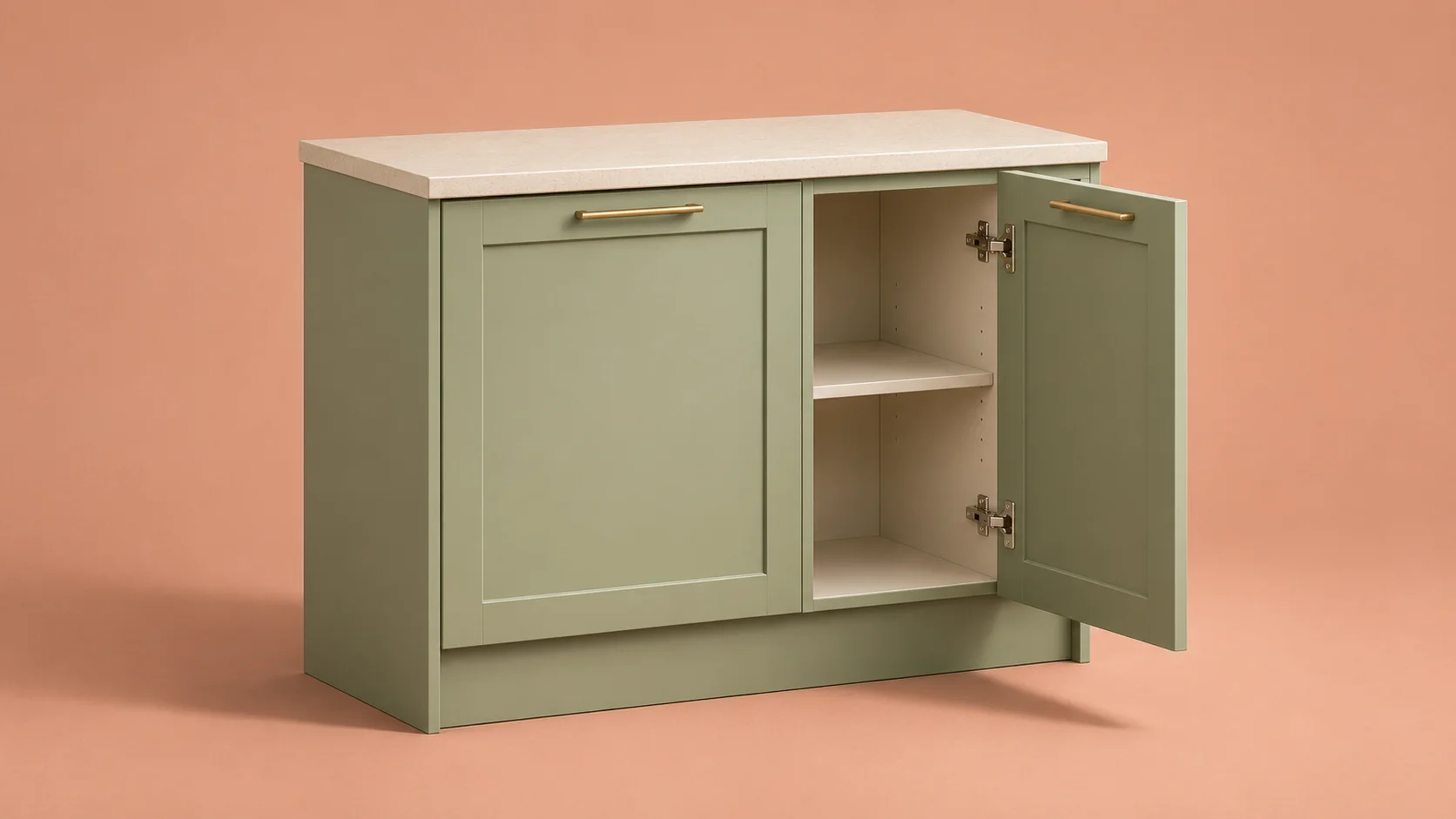
Kitchen returns and warranty claims rarely concern a single item that can go straight back into a box. A fitted kitchen brings together cabinets, fronts, hinges, worktops and appliances, often supplied and installed by different businesses.
A damaged drawer front needs a different response from a faulty oven or a worktop cut to the wrong dimensions. Treating every request as a return can send teams towards collection before they understand the issue.
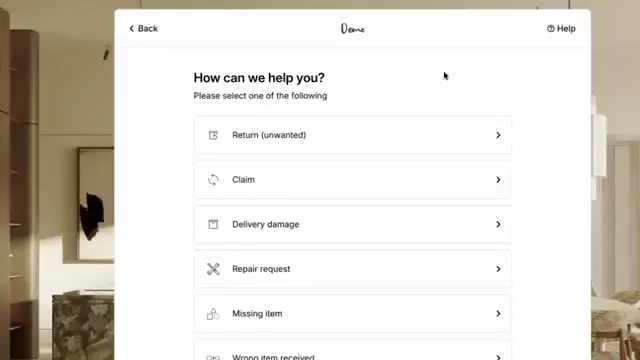
A clear process identifies the affected component, checks the relevant terms and gives the customer a next step. It also keeps the retailer, supplier and installer working from the same record.
- Separate change-of-mind returns, product defects, delivery damage and installation issues before choosing an outcome.
- Identify the exact component and its warranty terms before arranging a repair, replacement part or collection.
- Keep supplier decisions, fitting costs and customer updates attached to the original case.
- Claimlane connects customer requests, product evidence and supplier communication in a shared aftersales process.
What makes fitted kitchen claims different?
A kitchen order is a connected set of products. A replacement door needs the right dimensions, finish and hinge arrangement, while a drawer runner needs to fit the drawer system already installed.
Access also matters. A component may be fixed beneath a worktop or connected to plumbing, so the cost and disruption of removal can affect how the case should proceed.
The case record should identify both the order and the affected part. That distinction helps prevent a request for a hinge from becoming an instruction to return an entire cabinet.
Keep the original specification available
Useful records include the kitchen plan, order lines, finish references, fitting instructions and any agreed changes. Agents should be able to distinguish what was ordered from what was delivered and installed.
A missing record shouldn't automatically end the assessment. The team can request alternative purchase evidence or ask the supplier to help identify the component.
Separate kitchen returns from warranty claims
A customer may want to return an unused cabinet because the layout changed. Another may report peeling on an installed front. These requests need different eligibility checks and different evidence.
The intake process should capture what happened before assigning responsibility. A symptom such as a door that won't close doesn't establish whether the cause is a defective hinge, an alignment issue or something else.
| Request type | Initial checks | Possible next step |
|---|---|---|
| Change-of-mind return | Sales channel, product specification, condition and applicable cancellation or return terms | Assess return eligibility and arrange an authorised return |
| Delivery damage | Affected order line, packaging, visible damage and delivery record | Assess a replacement component and any carrier follow-up |
| Product defect | Issue evidence, purchase details and applicable rights or warranty terms | Assess repair, replacement or another appropriate remedy |
| Installation issue | Fitting records, instructions and an appropriate technical assessment | Assign the assessment or remedial work to the responsible party |
| Paid spare-part request | Part identity, compatibility, availability and price | Confirm the part and supply terms before ordering |
How should made-to-order kitchen returns be handled?
The policy should distinguish standard stocked products from goods made to a customer's specifications. Cutting a worktop to a supplied template raises a different return question from supplying a standard unopened cabinet.
For UK consumer sales, GOV.UK's guidance, Accepting returns and giving refunds: the law, distinguishes distance-selling cancellation rights from exceptions for personalised or custom-made goods. It also explains that faulty goods carry rights independently of a commercial warranty.
A made-to-order label shouldn't become a blanket reason to refuse a fault complaint. Teams should establish the product, contract and jurisdiction before deciding which rules apply.
Record the reason for the decision
The case should show whether a request concerns cancellation, a defect, an incorrect specification or an item supplied differently from the agreed order. Customer explanations should identify the relevant facts and next steps rather than repeat a general no-returns statement.
What does a kitchen furniture lifetime warranty cover?
The phrase kitchen furniture lifetime warranty doesn't establish a universal level of cover. The written terms need to define whose lifetime applies, which components qualify and what the provider will do if a valid claim arises.
Agents should check whether coverage applies to the original purchaser, whether registration is required and whether exclusions address wear, moisture, accidental damage or incorrect fitting. Labour, removal and refitting also need their own check.
Different components can have different guarantees. IKEA UK's kitchen guarantee information, for example, separates its kitchen systems, taps and appliances and sets conditions for coverage. A cabinet guarantee shouldn't be assumed to cover an appliance supplied in the same order.
Keep the terms that applied at purchase
A current product page may describe a different range or revised terms. Retaining the relevant warranty document alongside the purchase record helps the team assess an older installation against the applicable promise.
What types of aftersales services cover repairs and spare parts for fitted kitchens?
Fitted kitchen aftersales can include warranty assessment, replacement components, repair visits, fitting adjustments and paid parts supply. The retailer should explain which services it provides and which require a supplier, installer or authorised service partner.
Warranty repairs and replacement components
A covered fault may lead to repair or replacement under the applicable terms and consumer rights. The assessment should establish whether the proposed work addresses the cause and whether removal or refitting is included.
Paid kitchen spare parts and repairs
A customer may need a handle, hinge or drawer component outside warranty coverage. That request should still have an identified part, a compatibility check and a clear price before the order is placed.
Appliance service and fitting work
Appliances may have a separate service route from cabinetry. Work involving electrical or plumbing connections should be routed to an appropriately qualified professional rather than turned into general customer repair instructions.
Collect evidence that supports a decision
Intake should ask for the affected item, a description of the issue, when it appeared and suitable photos. An overview image helps locate the part; a close-up can show the damage or identification label.
A short video may help explain a moving component that sticks or fails to close. Customers shouldn't be asked to remove fitted units or disconnect appliances simply to complete a claim form.
Evidence requests should change with the issue. A chipped panel, a missing handle and a leaking connection don't need identical questions.
Keep observations separate from conclusions
Agents should record what the customer reports and what the evidence shows. A reported swollen panel, for example, needs assessment before the team attributes it to a material fault, a leak or the installation.
Identify compatible kitchen replacement parts
A part description such as soft-close hinge may be too broad to support an order. Teams should capture the manufacturer reference, cabinet or drawer system, dimensions and any relevant mounting details.
For visible components, the record should also include finish and range information. A new panel with the same colour name may still need a matching check before the customer accepts it.
IKEA UK's spare-parts guidance illustrates why identification matters: it distinguishes small fittings, larger furniture components and appliance parts, with different routes for obtaining them.
Check discontinued ranges before making a promise
If the original part is unavailable, the supplier should confirm any compatible alternative. The case should retain that confirmation and record whether the customer has accepted a visible difference.
A similar-looking part should never be treated as evidence of compatibility on its own.
Assign responsibility across retailers, suppliers and installers
A kitchen claim can involve the selling retailer, a cabinet manufacturer, a delivery company and an installer. The customer still needs a clear contact and an explanation of who is arranging the next step.
The team should record the issue owner, any external assessment required and the date of the next follow-up. Internal uncertainty shouldn't leave the case without an owner.
Supplier reimbursement and the customer's entitlement are separate questions. The retailer should assess its customer obligations rather than make every outcome depend on receiving supplier credit first.
Plan repair visits and collections around the actual work
Before booking a visit, the team should confirm the approved work, the required part and any access requirements. A technician arriving without the correct component creates another appointment instead of completing the repair.
Collection instructions should identify exactly what needs to move. Where removal could affect connected units, worktops or services, the team should establish who is authorised to carry it out.
Make labour and refitting costs visible
A replacement component doesn't settle who pays to fit it. The decision record should distinguish parts, labour, removal, transport and refitting, including any costs still awaiting approval.
Customers should receive clear information about agreed charges before paid work is authorised.
Keep customers informed while the case is open
A useful update explains what has happened, what remains outstanding and when the next update is due. Waiting for a supplier is a status, but it isn't a complete explanation of what the team is doing.
Teams should distinguish an estimated parts arrival from a confirmed repair appointment. If a delivery changes, the case owner should review any visit that depends on it.
The same case history should remain available across the showroom and customer service team. A customer shouldn't need to repeat the fault description whenever the conversation changes channel.
Keep supplier evidence and cost recovery together
A supplier submission should include the affected order line, product reference, issue evidence and requested outcome. Decisions and follow-up should stay attached to the same case so another agent can understand what has been agreed.
The financial record should distinguish a supplier approval from a credit actually received. It should also show which costs were accepted and which remain disputed.
Connected records matter for customer actions too. Claimlane customer Patrick Zangenberg describes the benefit of handling refunds and replacements without changing systems:
Issuing refunds and replacements without switching between systems has been a huge time saver for our team.
Patrick Zangenberg, Head of Customer ServiceThe quote describes the customer's experience with Claimlane. It isn't a measured result for fitted kitchen claims.
What software helps kitchen and bath retailers manage after-sales service, warranties, and customer follow-up?
The relevant software needs to connect the request, affected product, evidence, decision and follow-up. A shared inbox can hold messages, but teams also need to know which component is involved and what action remains outstanding.
Claimlane supports structured customer intake, configurable workflows, supplier communication and claims reporting. Its furniture returns and warranty management page explains how the platform supports furniture brands and retailers.
Assess the workflow with a realistic kitchen case
A useful demonstration starts with a damaged drawer front and follows the case through evidence collection, supplier review, a replacement decision and customer updates. The assessment should establish where product, stock and financial records come from.
Retailers should verify any required connection to a kitchen design system, parts catalogue, ERP or field-service scheduler. A claims platform's general integration capability doesn't establish that a particular connection is already available.
Check ownership and permissions
Showroom staff, customer service agents and suppliers need appropriate access to the information required for their role. The retailer should confirm who can approve an outcome, change a case status and view customer details.
Measure where kitchen claims get stuck
Teams can track time awaiting customer evidence, supplier assessment, parts availability and a repair visit. Separating these stages makes a long case easier to investigate than a single open-to-close figure.
Useful measures also include repeat visits, incorrect-part orders, reopened cases and supplier credit received. Each measure needs a consistent definition before results are compared across branches or suppliers.
These are proposed measures, not industry benchmarks. A retailer should establish its own starting point from its case records rather than assume a standard claim cost or repair time.
Use recurring faults to improve the next order
Repeated issues with a hinge, finish or packing method should feed back to buying, product and installation teams. The record should preserve the affected component and assessed cause so unrelated problems aren't grouped together.
Claimlane has a 4.8/5 rating on G2.
Frequently asked questions about kitchen claims
Give every kitchen claim a clear next step
A fitted kitchen claim needs more than a return label. The team needs to identify the component, assess the issue, agree the work and keep the customer informed until the case is complete.
Claimlane brings customer intake, supplier communication and claim decisions into a shared process. Kitchen brands and retailers can book a demo to discuss their returns, warranty and spare-parts workflows.